

Kids
When a Sibling Grabs a Toy: Protect the Turn, Then Teach Waiting
When one sibling grabs a toy the other was using, don't reward the grab or force an immediate handover. Learn when to return the toy, when to pause play, and what to say to both children.
When one child grabs a toy their sibling is still using, move close and stop pulling or hitting. If the turn was clear and everyone is safe, calmly help return the toy to the child whose play was interrupted—without a tug-of-war. Then help the child who grabbed ask for the next turn. If the turn is uncertain or the struggle is unsafe, clarify or pause first. The goal is to protect safe play without making grabbing a shortcut to getting a toy.
First: stop the struggle without shaming anyone
Get near enough to prevent hitting, pushing, or hard tugging. Say in a steady voice: “I won't let you grab or hurt each other.” If someone might be injured, separate the children first. Don't try to negotiate with children who are actively struggling over an object. Promptly stopping aggression is a priority in UNH's guidance; Raising Children Network likewise recommends stepping in when fights risk harm.
If one child clearly took the toy from another child who was playing, avoid an adult tug-of-war. Help return it calmly if that can be done safely, or hold it briefly while the children release their grip. To the child whose turn was interrupted: “You were using that. I'll help you keep your turn.” To the child who grabbed: “You want it. I won't let you take it from your sibling. You can ask for the next turn.”
You are not declaring one child “bad” or the other permanently entitled to the toy. You are naming the action, setting a boundary, and showing a better way to get a turn. Short, non-shaming language is consistent with UNH's practical tips for caregivers. These sample lines are editorial examples, not scientifically validated scripts.
Decide: return it, make a plan, or pause?
1. A shared toy was taken during a clear turn. The fact that a truck or set of blocks belongs to the household does not mean a child must surrender it the instant a sibling demands it. Help protect the interrupted turn and offer the waiting child a visible next-turn plan. Giving the grabber immediate possession can turn snatching into the fastest route to a toy. This is a practical inference from advice to clarify the dispute and address grabbing, not the result of a trial comparing different retrieval methods (Raising Children Network; UNH).
2. It is a personal or treasured belonging. Children can have a special gift, comfort item, or ongoing project that is not automatically shared. You can say: “That special train belongs to your sibling. They decide whether to lend it. Let's find another train for you.” A psychologist writing for Children's Mercy suggests protecting treasured possessions and designating some belongings that siblings do not have to share. A timer cannot make a private toy available without permission.
3. Nobody's turn is clear. Perhaps a toy was sitting on the rug, or one child set it down briefly and the other thought play was finished. Don't mechanically take it away from whoever happens to hold it. Ask: “Were you still playing with this?” and “Did you two agree whose turn was next?” If the claim is genuinely ambiguous, help the children choose a workable plan for a shared item. UNH's mediation guidance starts with understanding the problem and hearing perspectives, not assuming an answer.
4. Someone is unsafe, scared, or repeatedly escalating. Set the toy aside temporarily if needed to stop harm: “I'm holding the truck until everybody is safe. We'll talk about the turns afterward.” A safety pause is different from automatic punishment of both children. Putting away a toy after a single clear grab can also deprive the child whose turn was interrupted. Professional guidance describes pausing contested play in some fights, but does not prove that blanket confiscation is appropriate in every case (Children's Mercy; Raising Children Network).
Make the next turn something children can see
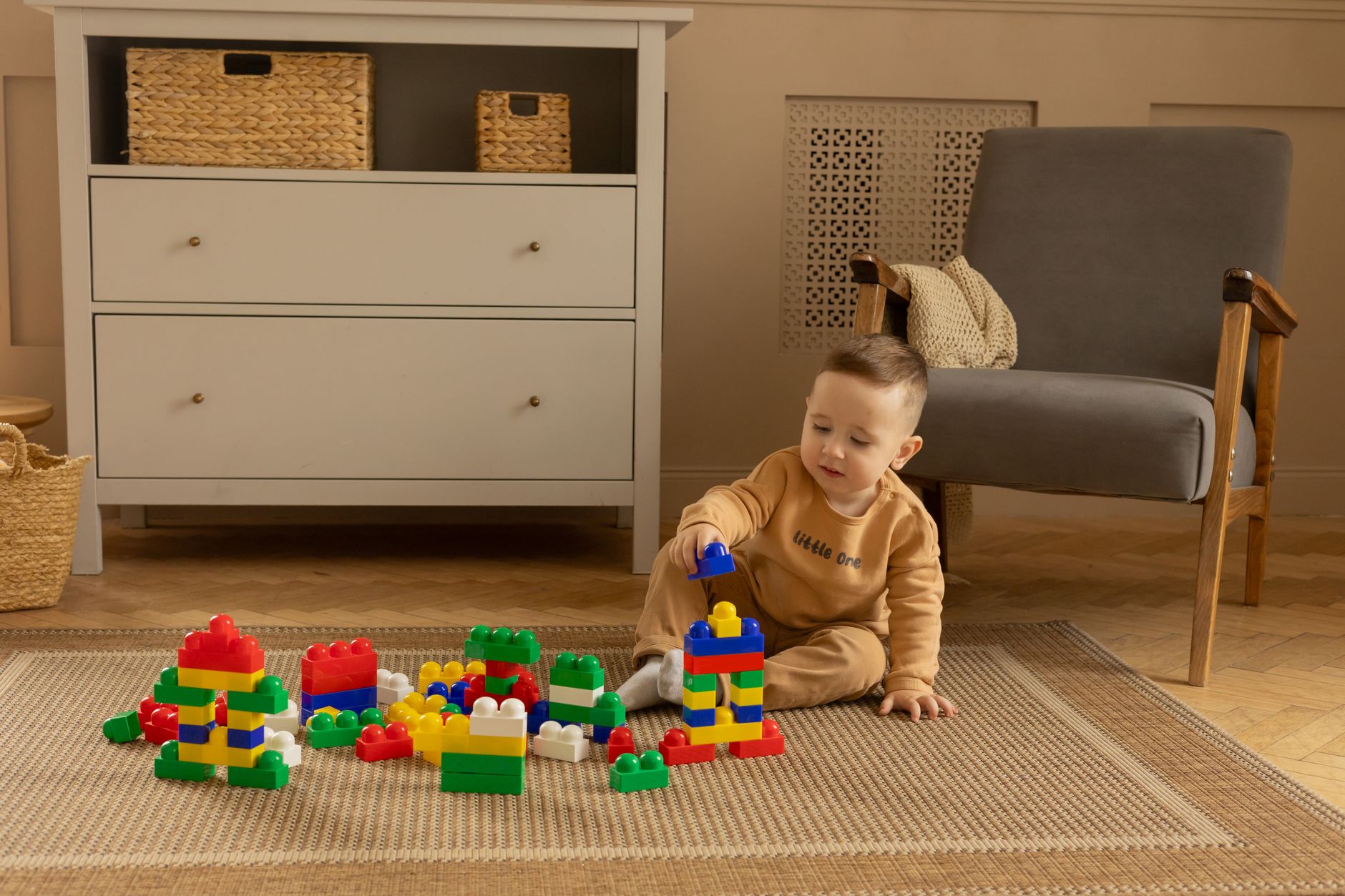
“Wait” is not much of a plan. For a shared toy, help both children understand an actual next-turn checkpoint without cutting short a clearly established turn. For example, ask the child playing, “Would finishing this lap when the train reaches the station work?” If both agree, say, “When the train reaches the station, it's your sibling's turn. I'll help with the handoff.” Ask each child to repeat or point to the plan as they're able.
Stay close. When the train reaches the station, name the checkpoint and help the children pass the toy over calmly. If they dispute the handoff, prevent another grab, remind them of their agreement, and coach the transfer. If that plan is causing more conflict or was misunderstood, help them choose a new clear checkpoint together rather than forcing a surprise switch mid-play.
A timer is optional when both children find it helpful. The American Academy of Pediatrics' HealthyChildren article suggests child-chosen timers as an aid to taking turns, but provides no evidence of a universal, scientifically proven duration. A timer never creates a right to somebody's private toy or overrides an active turn without an agreement; replace a timer plan that is fueling the fight.
Give the waiting child an option that doesn't depend on the first child giving in: another toy, help building a parallel track, or a simple activity alongside you. A voluntary trade may be fine if both children want it; a trade demanded by the child who grabbed is not a requirement.
What to say to each child
Hypothetical example: an older child takes a toy car out of a younger sibling's hands.
To the child who was playing: “You had the car. I'll help you finish your turn.”
To the child who grabbed: “You really wanted it. Grabbing isn't okay. Try, ‘Can I have the next turn?’”
If the grabbing child cries or protests: “It's hard to wait. I hear you. Your sibling is still using the car right now.” If the first child is upset: “That surprised you. I'll help keep you safe.” Neither needs to be called selfish, naughty, or too little to understand. Emotion naming, calm limits, and avoiding sibling labels align with UNH caregiver guidance.
Younger children need more adult help
With a baby or a child who cannot explain a turn: The adult speaks up for them. If a baby is holding a rattle, don't require the baby to negotiate or agree to exchange it. Safely protect the baby's current use and redirect the older child toward another object. If the older child keeps snatching despite reminders, stay close enough to block the next grab, calmly restore the baby's use of the rattle when safe, and guide the older child to something else. If someone claims the rattle is their personal toy, revisit ownership once everyone is calm rather than turning the immediate grab into a forced negotiation.
With toddlers: Use short, repeated phrases: “No grabbing. Your sibling is using it. Here's something to play with while you wait.” Supervise closely. A toddler may need you to demonstrate waiting, asking, and stopping many times.
With preschoolers and older children: Invite requests and small shared plans, and practice the handover once calm. The CDC's age-four guidance recommends actively teaching taking turns rather than assuming it appears without help. UNH notes that younger children may need more adult support in mediation. Age is a guide, not a rule: communication and regulation abilities vary.
Teach the skill afterward, not in the middle of a fight
When bodies and voices are calm, briefly replay what happened: “You wanted the truck while your sibling was still using it. How could you ask next time?” Let each child share their perspective if able. Try one short practice request, make a next-turn agreement, and notice when they follow it: “You waited and asked. That helped.”
Research offers some support for parent-supported sibling mediation. The 2014 study listed in ERIC describes improvements in children generating plans, discussing feelings, and considering younger siblings' interests after parent mediation training. But the accessible research summary concerns children roughly 3½ to 11 years old; it does not test an immediate toy-return method, a particular timer length, or outcomes for infants and very young toddlers. The strategy here is evidence-informed guidance, not a tested guarantee against grabbing.
If a sibling repeatedly hits, intimidates, injures, or frightens the other, protect the vulnerable child and seek individualized support from a pediatrician or qualified child or family professional. The UNH sibling-conflict guidance distinguishes everyday conflict from patterns of harm that need more than routine turn-taking coaching.
A quick rule to remember
Stop unsafe grabbing, protect a clear active turn, clarify disputed access, and agree on the next turn. Personal belongings need permission to be shared; practice waiting after everyone is calm.
Sources and limits
- University of New Hampshire: Recommendations for Parents on Managing Sibling Conflict and Aggression — safety and mediation principles.
- University of New Hampshire: Promoting Positive Sibling Relationships — calm language, non-shaming support.
- American Academy of Pediatrics / HealthyChildren: Siblings as Playmates — optional timers and turn-taking.
- Children's Mercy: Why Siblings Fight — prized belongings and situational toy pauses.
- Raising Children Network: Sibling Fights — responding to unsafe or unclear disputes.
- CDC: Milestones by 4 Years — caregiver teaching of social turn-taking.
- ERIC: Parent Mediation Empowers Sibling Conflict Resolution — limited research on mediation skills, not a trial of this exact grab response.
The scripts, decision branches, and immediate restoration advice are practical synthesis from the dossier's approved sources. Families may use different property and turn rules; no fixed timer length or guaranteed outcome is supported.