

Kids
A Tiny Landing Zone for Wet Boots, Hats, and Mittens
Give wet boots, hats, and mittens three small landing spots, a wet-versus-dry rule, and one quick check before the next outing.
A Tiny Landing Zone for Wet Boots, Hats, and Mittens
After a rainy pickup or snowy walk, boots can land in the hallway, a hat on the table, and one mitten in a backpack. You may already have hooks and baskets and still end up with damp piles. One parent described overflowing winter accessories even with hooks and a wire basket; that's an individual account, not a measure of how common the problem is.
Try a tiny landing zone with three places and two modes: a tray for boots, a hook for hangable layers, and an uncrowded spot for small accessories. Wet things get room; dry things return to storage. This is a home-arrival routine you can test with what you already have, not a mudroom makeover or a promise that every item will be dry by tomorrow.
Set up three places near the door
1. A washable boot spot. Put a suitable tray or easy-clean mat near where shoes actually come off. Catch the muddy soles there; empty and clean the tray as needed. Make sure it doesn't block the doorway or create a tripping obstacle.
2. A hook for hangable layers. Use an existing hook a child can comfortably reach, if that's practical and safely installed. Otherwise, an adult can hang the coat while the child helps with another part of the routine. Don't overload hooks or obstruct the door.
3. An open place for hats and mittens. For wet accessories, choose spaced hooks or an appropriate open shelf or surface where pieces can be laid or hung separately, not stacked. If you have an open basket, use it for damp items only when they can genuinely stay spread apart and the item's care instructions allow that arrangement. A crowded basket or closed drawer is for dry accessories, not a heap of soaked mittens.
The locations don't have to match. A tray, an existing hook, and part of a shelf can be enough to try the idea.
Switch between wet and dry modes
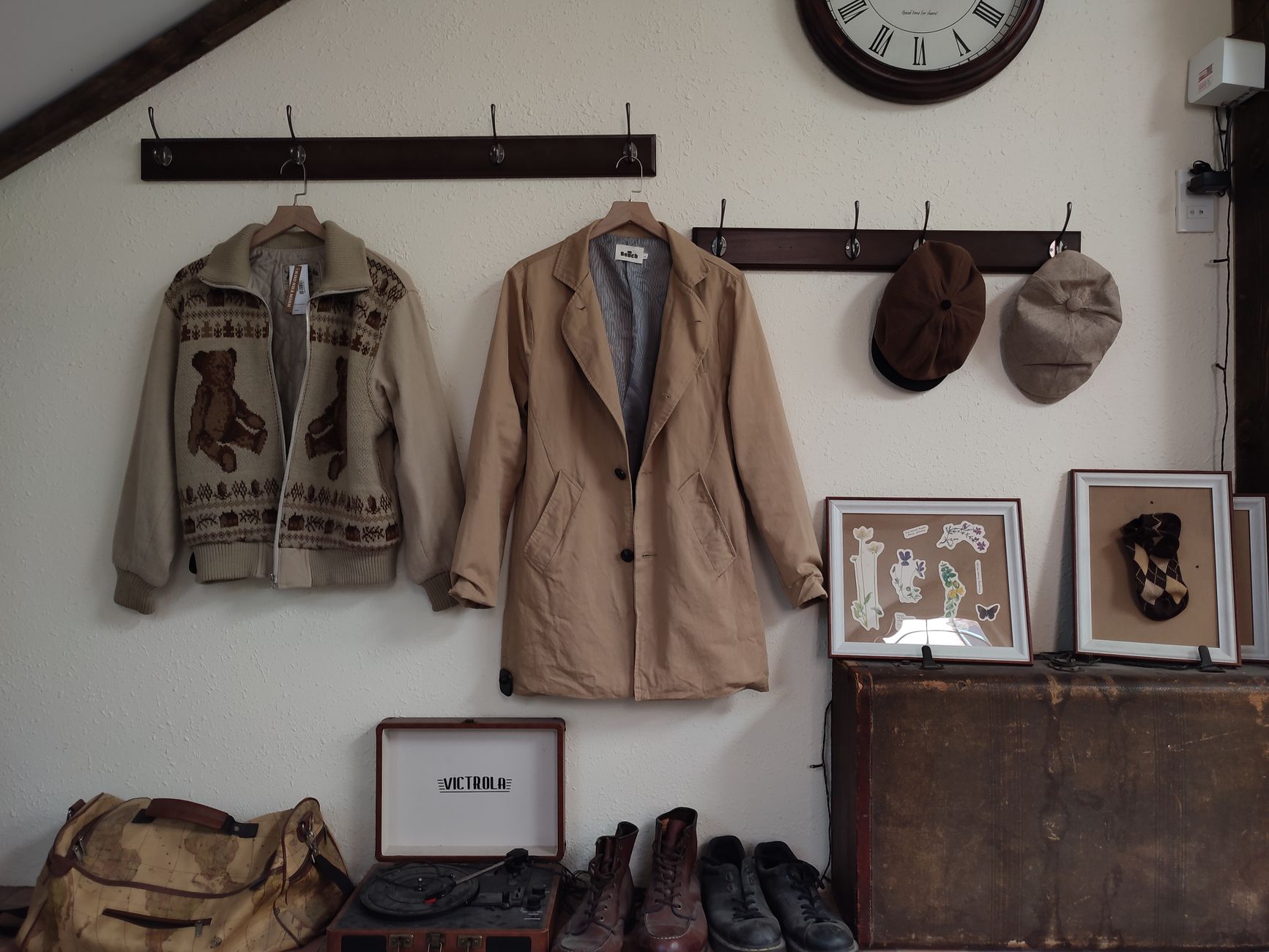
When items are wet: Give each piece appropriate space away from clean, dry storage, and check the garment's label or the maker's care guidance when available. Boots, wool, waterproof layers, and lined mittens may require different treatment. Don't assume direct heat works for every material or promise a particular drying time.
When items are actually dry: Move hats and mittens into their usual basket, drawer, or cubby. You might describe this to your child as, "Wet things get space; dry things go home." It's a rule to experiment with, not a guaranteed habit.
The two-minute-style checklist (without a time limit)
Keep these two short checks together, on the door or in your head. They are prompts, not a timed challenge.
When we get home
- [ ] Boots: Put both on the washable tray.
- [ ] Outer layer: Hang the coat or another suitable layer on its reachable hook, with adult help if needed.
- [ ] Hats and mittens: Check what is wet. Spread damp pieces separately in their appropriate open spot; put only dry pieces in the basket or drawer.
- [ ] Bag check: Look in backpacks, pockets, and bags for any stray wet gear.
Before we leave again
- [ ] Pairs: Find both boots, both mittens, and the hat if needed.
- [ ] Readiness: Check whether each item is actually dry and usable, and follow any relevant care guidance rather than guessing from elapsed time.
- [ ] Backup plan: Choose suitable outerwear that's available for the outing if something is still damp or needs care.
This check is about gear that came home. It won't retrieve a jacket left at school.
Give your child one optional job
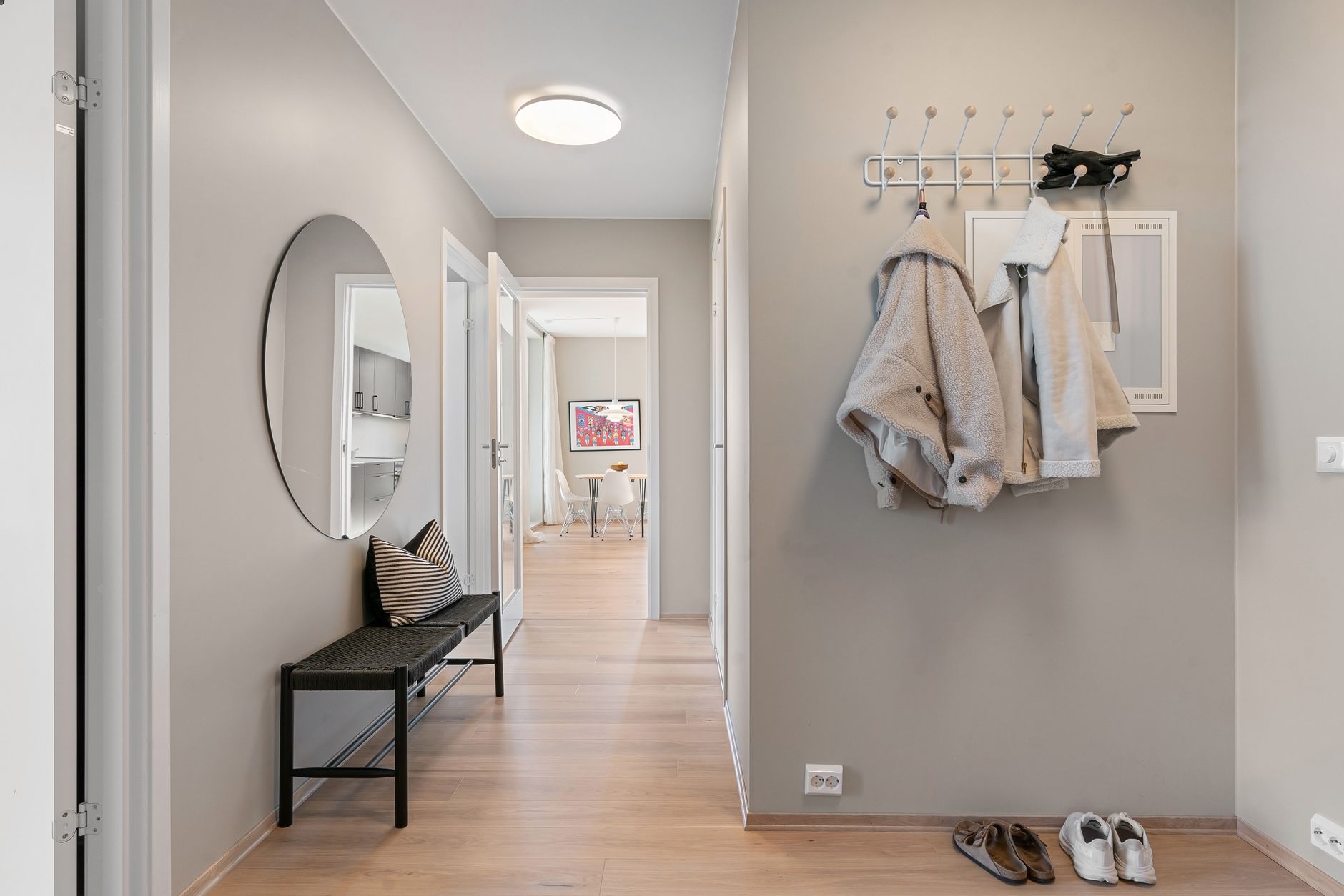
Try a short sequence instead of repeating a long reminder. Your child might be the mitten checker, the person who points to the tray, or the one who looks in the backpack. Offer the job they can safely manage; you can take care of heavier, muddy, or out-of-reach items. Some days only the boot step will happen. You can return to the rest later.
No mudroom? Borrow space you already have
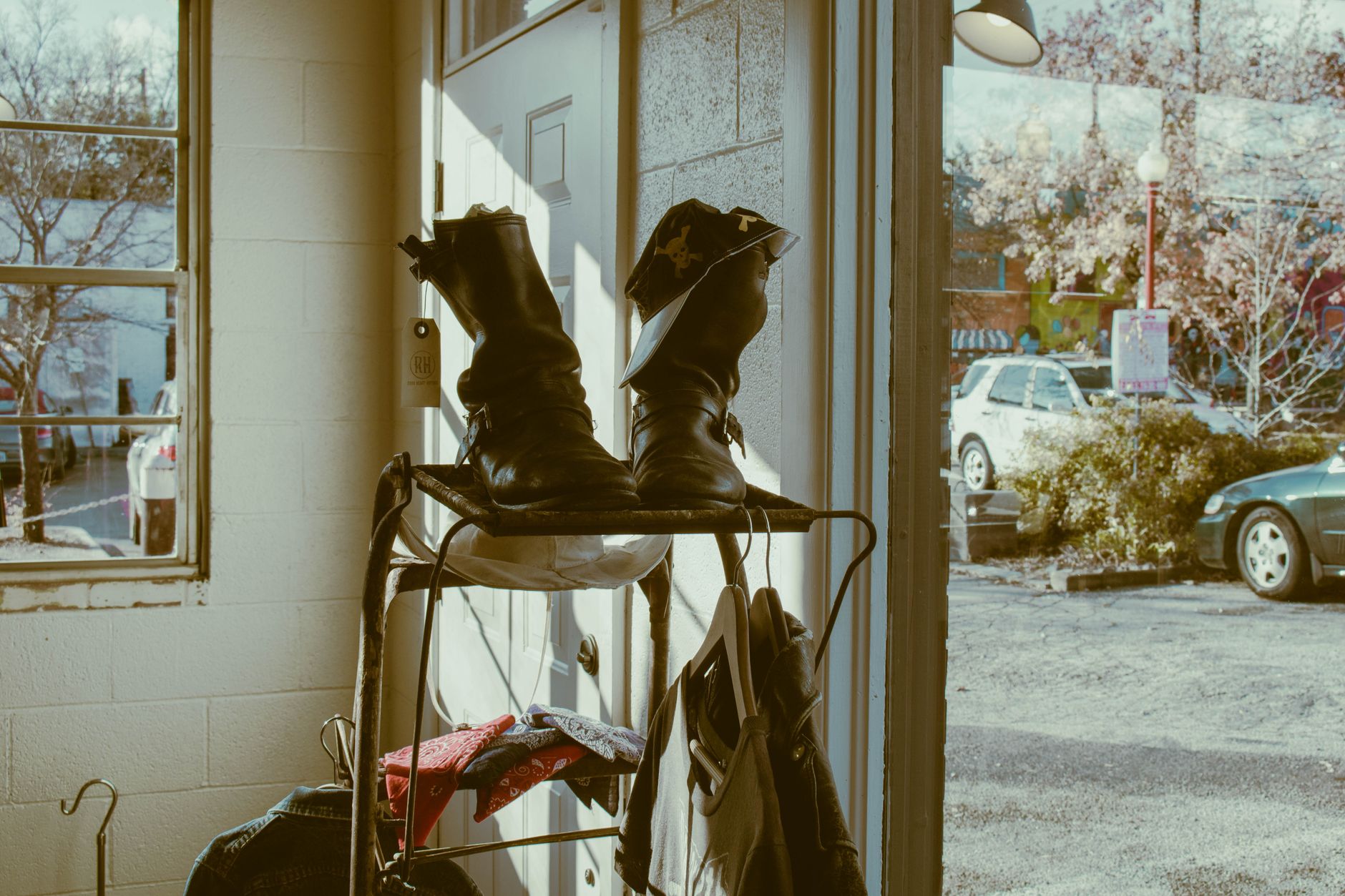
In a small apartment, the end of a sturdy bench or an existing open shelf might serve as the accessory spot while a washable tray sits nearby. Keep the walking route and door swing clear. If there isn't room to spread wet accessories safely in the entryway, choose another appropriate open place rather than forcing them into a crowded basket. After they are dry, return them to their compact storage spot.
After a few outings, notice what gets skipped. Does a hook need moving? Are damp mittens being stacked? Is the tray in the way? Adjust the setup before making the routine more complicated.
The goal is modest: give brought-home gear a place to land, keep wet pieces separate from dry storage, and notice what's ready before the next outing.
Sources and further reading
- Entryway organization: hooks, baskets, and a shoe tray
- Family hallway ideas, including a dedicated place for wet mittens
- Winter gear organization suggestions
- Manufacturer example: garment-specific washing and care guidance
- Footwear maker's example of drying and storage care
- Parent anecdote about winter accessory overflow despite existing storage
These sources offer organization suggestions, product-specific care guidance, and a personal account—not measured proof that this routine prevents lost items or makes gear dry faster.