

Kids
The Three-Photo Fall Outing: Family Pictures Without a Photo Shoot
Want a few fall photos without spending the whole outing behind your phone? Pick three shots, use one early photo window, invite movement, and then put the camera away.
Fall outings are photogenic almost by accident: bright leaves, jackets, pumpkins, cloudy light, muddy boots, kids carrying sticks that are apparently extremely important.
That can make it tempting to keep reaching for your phone. Before long, the walk to the park or pumpkin patch can start feeling like a photo session everyone forgot to agree to.
If what you really want is a few pictures that help you remember the day, try a much smaller plan: a three-photo wish list, one short photo window near the beginning, movement instead of forced posing, and then the phone goes away.
Pick your three-photo wish list before you leave
Do not start with “I want good photos.” That goal has no natural stopping point.
Instead, decide which three types of pictures would feel like enough.
For example:
- one wide photo that shows where you are
- one photo of your child doing something
- one family or parent-and-child photo, if everyone is willing
Your list can be different. Maybe you want a picture of siblings walking, one close-up of small hands holding a leaf, and one silly family shot.
The important part is choosing in advance. Once those three wishes are reasonably covered, you no longer need to keep hunting for a better version.
Use one early photo window
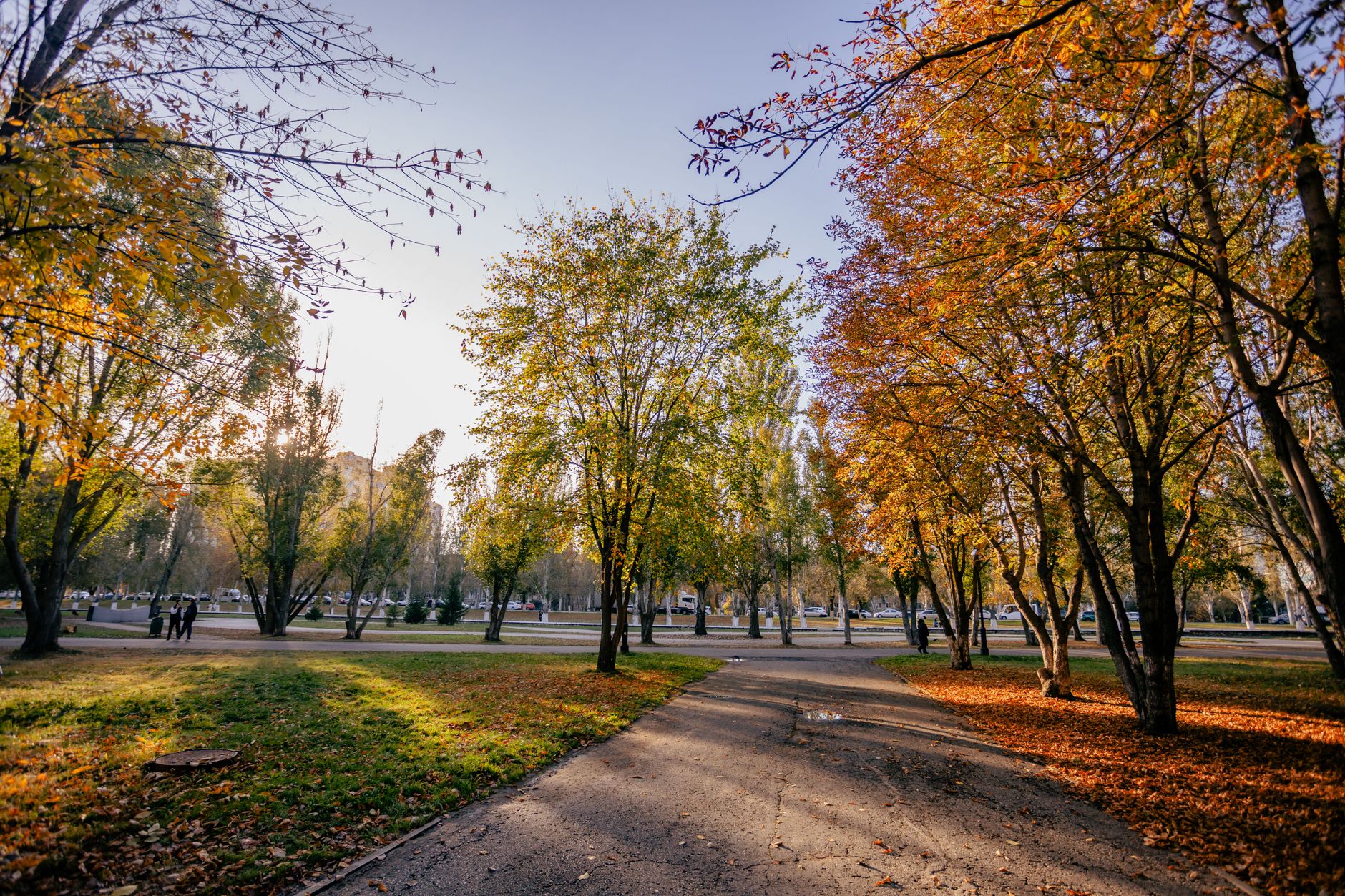
Try taking most of your pictures near the beginning of the outing, before anyone is tired of stopping.
You might say:
“I’d love to take a couple of pictures while we’re here. We’ll do that first, and then I’m putting my phone away.”
Keep the window short. Think a few minutes, not a separate activity that takes over the trip.
There is no need to announce a countdown or make the child wait while you review every image. Take a few, check that you did not accidentally photograph your own thumb, and move on.
Use movement instead of “Smile!”
A candid-feeling picture usually works better when the child has something to do.
Instead of asking for a frozen pose, try prompts that fit what is already happening:
- “Can you show me the biggest leaf you found?”
- “Walk to that tree together.”
- “Run back to me.”
- “Can you toss those leaves up?”
- “Which pumpkin would you pick?”
- “Show me your muddy boots.”
- “Want to race to the bench?”
The goal is not to engineer a perfect expression. It is to give the moment some motion and let the camera catch a small piece of it.
If the child ignores the prompt and does something else, that may be the better photo anyway.
Get the family photo with the least possible fuss
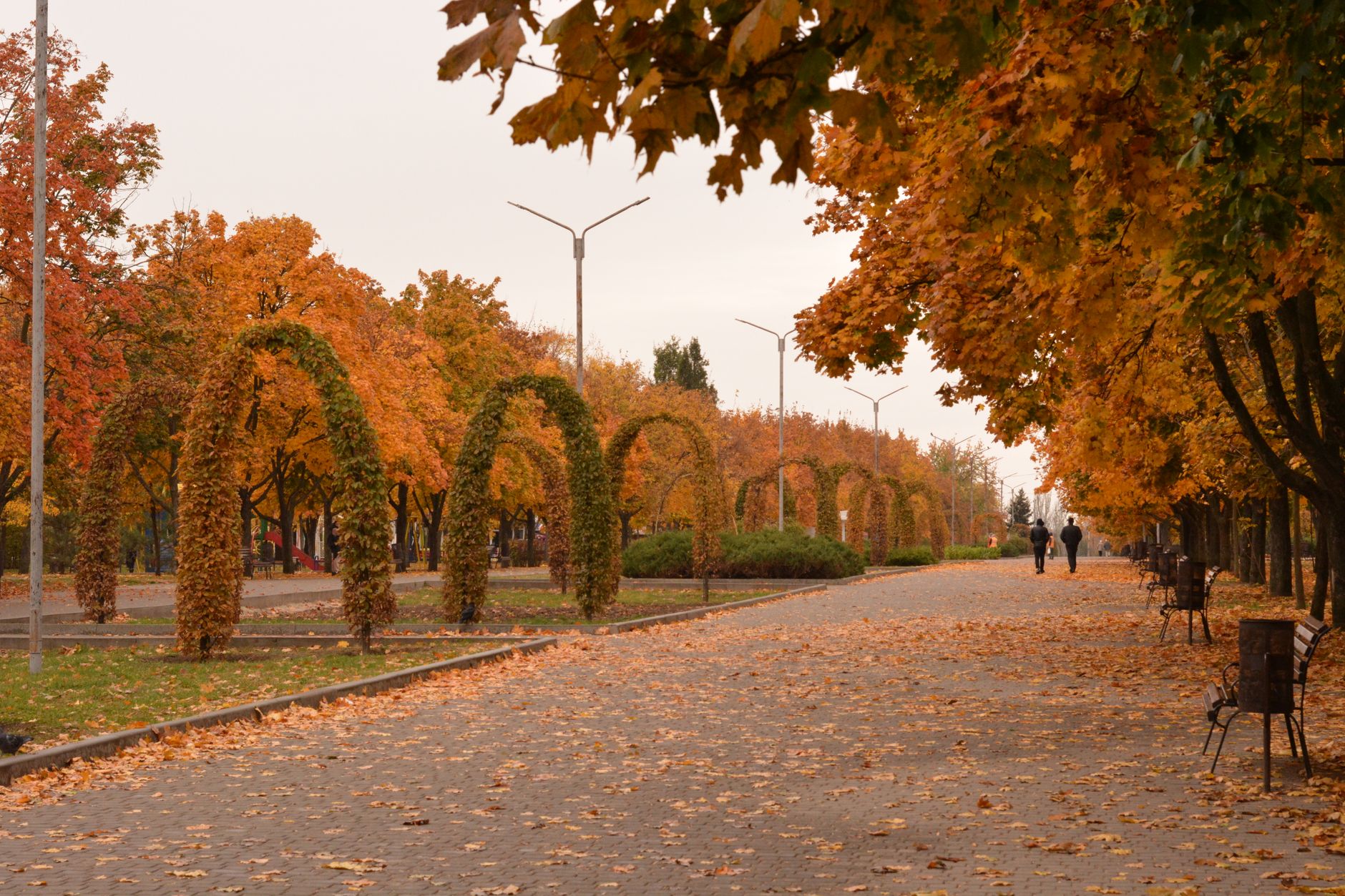
If you want one picture with everyone in it, decide how much effort it is worth.
You can ask another person to take a quick picture, use a timer if there is a safe and stable place for the phone, or simply accept a parent-and-child photo rather than forcing the whole group into position.
Keep the ask concrete:
“Can we do one quick picture together, and then we’re done with photos?”
Take a small handful, not twenty nearly identical frames.
If the result has a crooked coat, someone looking sideways, or a child holding a pinecone directly in front of their face, it may still do the job perfectly well: it shows your family on that day.
Respect an opt-out
A child does not have to participate in a picture because the background is beautiful.
If they say no, hide, turn away, or clearly do not want to be photographed, stop trying to coax the pose.
You can still photograph the setting, your own coffee, the trail, a pile of leaves, or another family member who wants a picture.
You can also ask once whether a different kind of photo feels okay:
“No problem. Would you rather skip pictures completely, or is it okay if I take one while you’re walking?”
If the answer is still no, let it be no.
The outing matters more than filling the third slot on your wish list.
Put the phone away on purpose
This is the part that makes the plan work.
When the short photo window is over, put the phone somewhere that makes taking it out a deliberate choice: a zipped pocket, a bag, or another secure spot.
You can still use it if you genuinely need it. The point is to stop treating every pretty moment as a reminder to document the next pretty moment.
If something later happens that you truly want to photograph, take the picture. This is not a rule against cameras. It is a way to avoid spending the whole outing scanning for shots.
Review later, not while everyone waits
You do not need to pick favorites on the trail.
Later, choose the few images you actually like and delete obvious duplicates if you want. One wide scene, one action shot, and one family picture can tell the story of an afternoon surprisingly well.
And if none of the photos are frame-worthy? You still went outside together.
That is the useful trade: aim for a handful of memories you can keep, then return your attention to the thing you were trying to remember in the first place.