
Kids
How to Hand Over Backpack Responsibility Without Constant Reminders
Move backpack responsibility from parent to child in manageable stages with a fixed routine, visual checklist, practice, and gradually reduced support.
How to Hand Over Backpack Responsibility Without Constant Reminders
A child becoming responsible for their own backpack sounds like a small milestone—until a permission slip disappears, the water bottle stays on the kitchen counter, and everyone is searching for library books five minutes before leaving.
The solution does not have to be choosing between doing everything for your child and suddenly expecting complete independence. Backpack responsibility can be taught in stages.
The aim is simple: build a routine that your child can eventually run without you.
Give the backpack one home
Start by choosing a fixed place where the backpack is unpacked and repacked every day.
It might be a hook by the door, a basket in the hallway, or a particular chair near the kitchen. The exact location matters less than consistency.
When the backpack always lands in the same place, several tasks become easier. Papers have a predictable place to emerge. Lunch containers are less likely to spend the night inside. Items for the next day can be placed nearby instead of scattered around the house.
For the first stage, the only habit you may need to teach is: When you come home, the backpack goes here.
Practice that before adding a complicated routine.
Make the invisible work visible
“Get your backpack ready” can contain many separate tasks:
- take out the lunchbox
- empty the water bottle
- give an adult any papers that need attention
- remove completed work
- check for homework
- put tomorrow's materials inside
- add anything needed for a special activity
Adults may automatically remember these steps. Children often benefit from seeing them.
Create a short visual checklist and keep it where the backpack lives. Use words, simple drawings, or both, depending on what is easiest for your child to use.
Keep the list short enough to scan quickly. If something only happens occasionally, it may be better handled separately than added to an everyday checklist that becomes cluttered.
Teach the routine while nothing is urgent
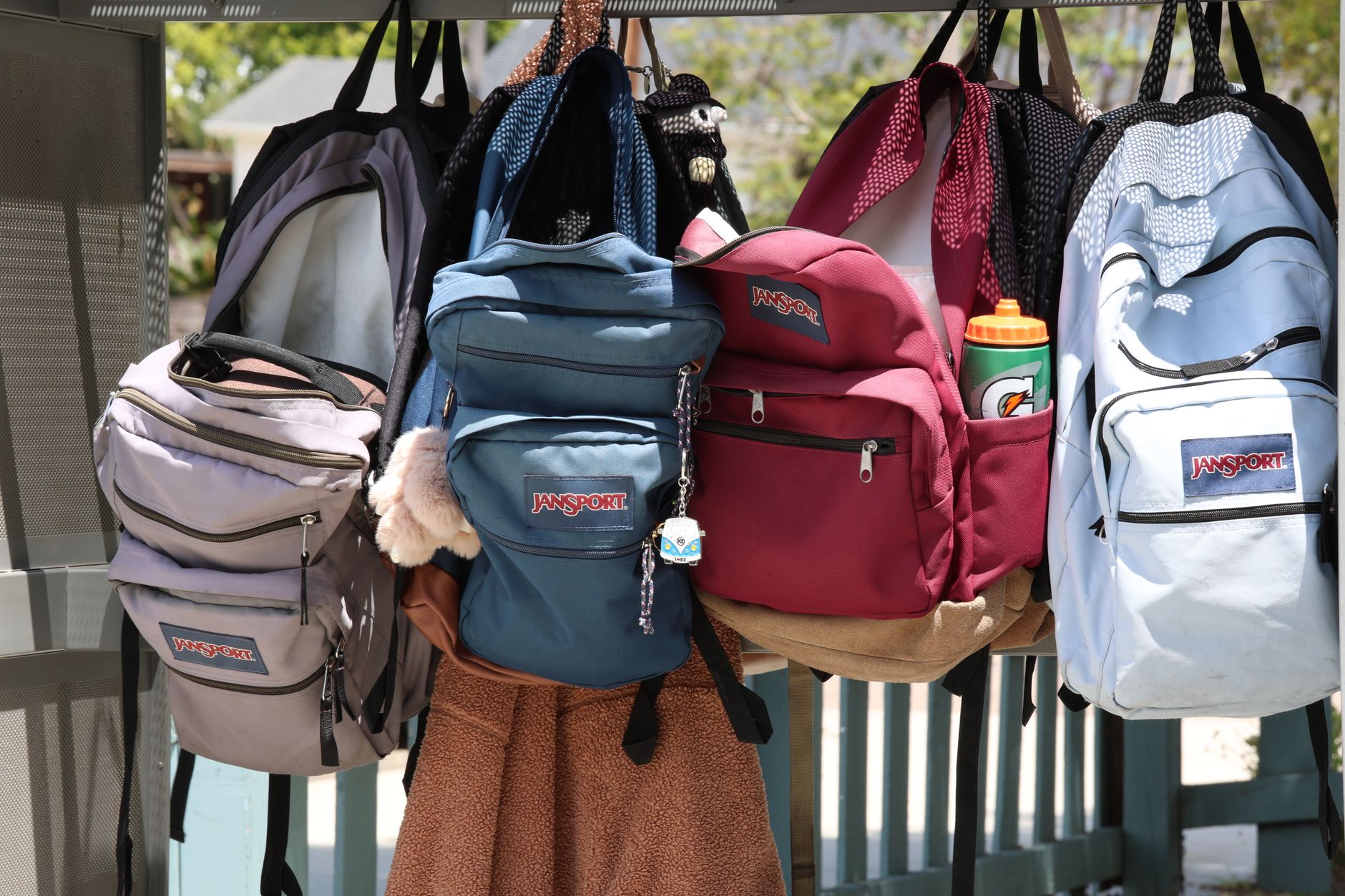
The worst time to learn backpack organization is two minutes before school.
Instead, practice during a calm part of the day. Walk through the checklist together. Let your child physically do each step while you provide guidance.
You might say:
“First, look at the list. What's step one?”
Then wait.
This matters because responsibility is not simply knowing that a backpack should be ready. It is knowing how to notice what needs doing, in what order, and how to check that it is complete.
Separate recurring tasks from special tasks
Some backpack jobs happen every day. Others happen only on certain days.
Build independence around the recurring tasks first. Once your child can reliably empty and repack the basics, add predictable weekly responsibilities such as returning a library book or bringing sports clothes.
A calendar, note near the backpack station, or another simple cue can carry some of the memory load. The goal is not to test whether your child can remember every unusual event unaided. The goal is to teach a system they can increasingly manage themselves.
Check before you remind
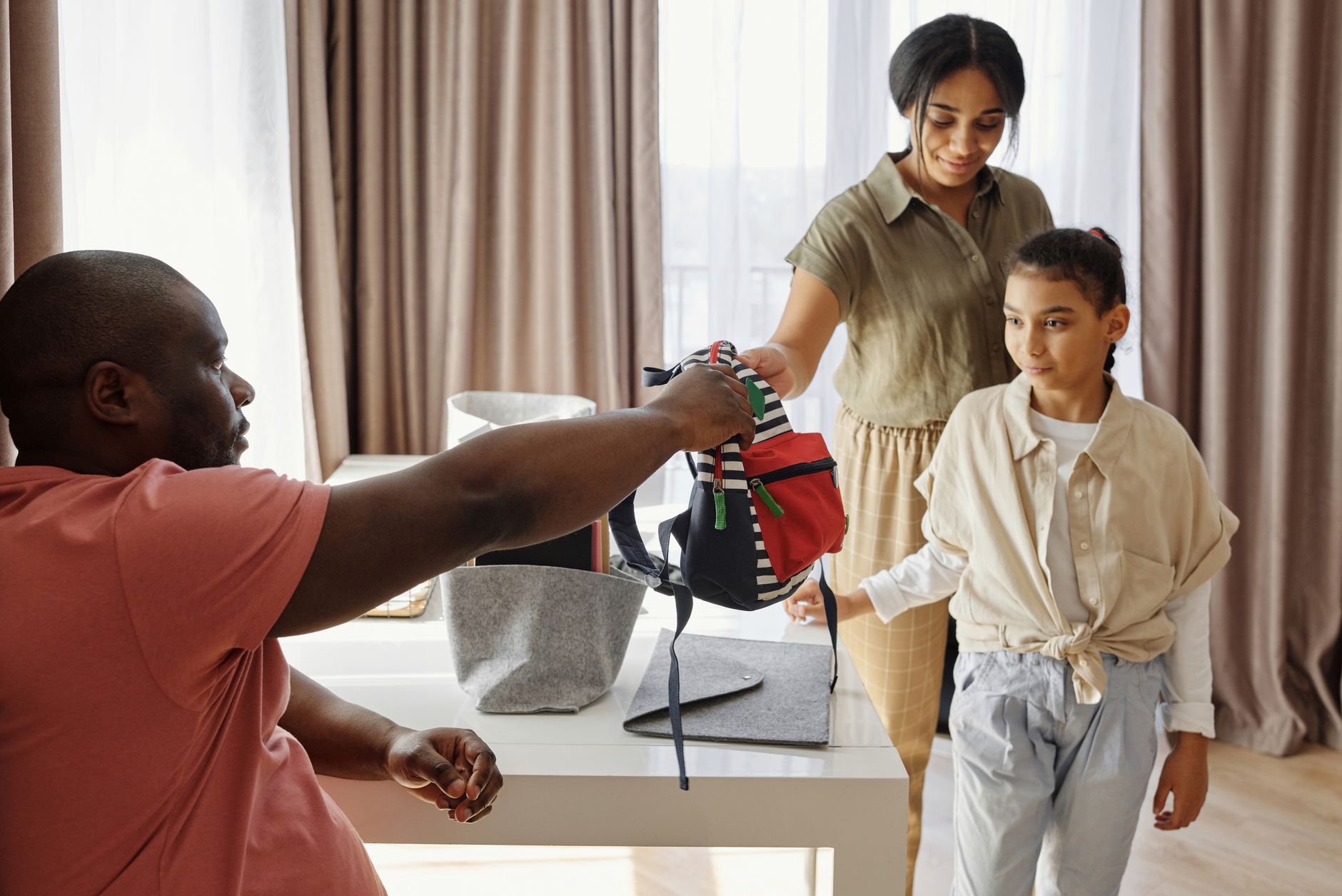
This is a useful middle stage between doing the task for your child and expecting total independence.
Instead of saying, “Put your folder in your backpack,” ask your child to use the checklist. When they say they are finished, you check the bag.
If something is missing, resist immediately naming it. Try:
“Compare what's in your bag with the checklist.”
That gives your child another chance to find the gap themselves.
At first, your check may be thorough. Later, it can become quick and occasional.
Reduce support in small steps
Independence usually works better as a gradual transfer.
A progression might look like this:
Stage 1: You and your child unpack and repack together.
Stage 2: Your child does each step while you stay nearby and prompt them to consult the checklist.
Stage 3: Your child completes the routine alone, then asks you to check.
Stage 4: Your child completes and checks the routine; you occasionally verify it.
Stage 5: Your child owns the routine, asking for help only when something unusual comes up.
You do not need to move through these stages on a schedule. Stay at a level until it feels reasonably reliable, then reduce your involvement a little.
If things fall apart, add some support back temporarily. That is not failure; it is information that the current step may be too large.
Let the checklist do the reminding
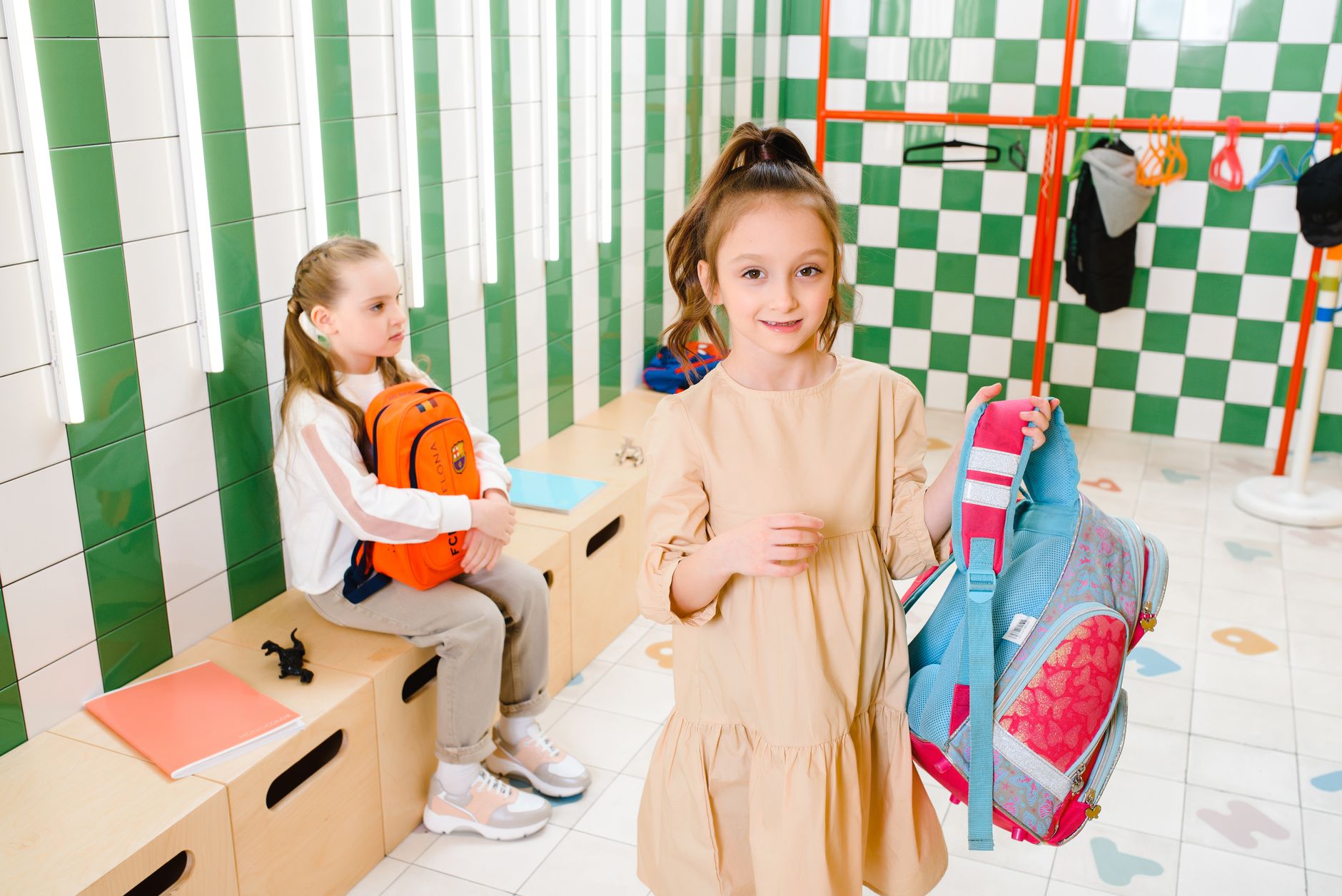
Repeated verbal reminders can accidentally make the parent the real owner of the task.
If you routinely call out every step, your child may become excellent at responding to you without learning to initiate the routine.
Whenever possible, point back to the system:
“Check your backpack list.”
That short prompt is different from narrating every missing item. Over time, even that prompt can fade.
Expect ordinary mistakes
A forgotten item does not automatically mean the system is failing. Learning responsibility includes discovering which parts of a routine are easy to overlook.
When something is forgotten, use it to improve the process. Ask, “Where could we put a reminder for that?” or “Does that need to be on the checklist?”
Avoid turning every mistake into a lecture about responsibility. A practical adjustment is often more useful.
Match responsibility to the child
Children differ in age, temperament, attention, organization, and how much scaffolding they currently need. The right amount of support is the amount that lets your child practice successfully while still doing meaningful parts of the work.
The destination is not a perfectly packed backpack every day. It is a child who increasingly knows how to manage their belongings, notice what needs doing, and recover when something gets missed.
A fixed location, a short checklist, repeated practice, and gradually less parental involvement can turn backpack management from a daily argument into an ordinary routine—and, eventually, into your child's routine rather than yours.