

Kids
A Simpler Halloween With Just Three Family Anchors
Choose one decoration, one easy activity, and one Halloween-night ritual. Everything else can be optional, so the season stays manageable.
Halloween can turn into a month-long list of things a family is supposed to do: decorate every room, craft elaborate costumes, prepare themed treats, attend events, and make the perfect memories. It can also be much simpler.
Try a three-anchor Halloween. Choose one decoration, one easy activity, and one Halloween-night ritual. Once you have those three pieces, you have a complete celebration. Everything else is optional.
The framework is not about making the season less fun. It is about giving the fun a manageable shape.
Anchor one: one decoration
Ask the family, "What single decoration would make our home feel like Halloween?" You may be surprised by how little you need.
A paper pumpkin in the window could be enough. So could a cardboard bat, a little battery-powered light, a favorite decoration from last year, or a child's drawing taped to the front door.
If everyone enjoys crafts, make the decoration together. If crafts tend to create stress, choose something that can be put up in a minute. A small apartment, shared home, or busy kitchen does not need to become a haunted house.
Let children suggest two or three realistic options, then pick one together. Once the decoration is up, count that anchor as finished. You do not need to keep adding things as the month goes on.
Anchor two: one simple activity

Choose something that fits your actual week. The activity can last fifteen minutes, require almost no supplies, and happen after dinner.
A few ideas:
- Draw silly monster faces on scrap paper and invent names for them.
- Read a gently spooky story together.
- Use a flashlight to make shadows on a wall.
- Take a short walk and notice seasonal decorations.
- Cut a few paper bats or stars for a window.
- Invent a two-sentence ghost story with a funny ending.
You do not have to do all of these. Choose one.
If your children have different ages or interests, allow different levels of participation. One might draw while another tells the story. Someone who finds spooky themes unpleasant can suggest a funny, cozy, or imaginative version instead.
The best activity is not necessarily the one that produces the prettiest photograph. It is the one your family has enough time and energy to enjoy.
Anchor three: one Halloween-night ritual
A ritual is one familiar thing that marks the evening. It might happen whether you stay home or go out.
You could share a favorite costume idea at dinner, tell one playful story by a battery-powered candle, take a quick family photo, or have a warm drink when everyone gets home.
If you go trick-or-treating, the ritual might be a calm "home base" moment before leaving: shoes ready, an agreed plan for the outing, and everyone choosing one thing they look forward to. Later, share one funny highlight from the night.
If you stay in, let someone choose a favorite gently spooky book or a movie comfortable for the group. Not every child likes loud noises, dark displays, or surprises. A quiet Halloween can be a full Halloween.
The ritual does not need to be expensive or repeated forever. It only needs to feel like yours this year.
Decide together, then release the checklist

Hold a tiny planning conversation. Ask each person which part of Halloween matters most. Adults can explain the limits honestly: "We have one free afternoon," or "We're keeping costs low this year."
Then name the anchors in one sentence: "We'll make a window pumpkin, tell silly monster stories, and have cocoa on Halloween night."
Writing that sentence on a note may help when another attractive idea pops up. The plan is already complete. New ideas do not automatically become commitments.
If somebody changes their mind, adapt without treating it as a crisis. You can swap the activity for reading, or move the decoration to a place everyone likes better. The anchors are there to reduce pressure, not add another set of rules.
Extras are allowed, but they are not required
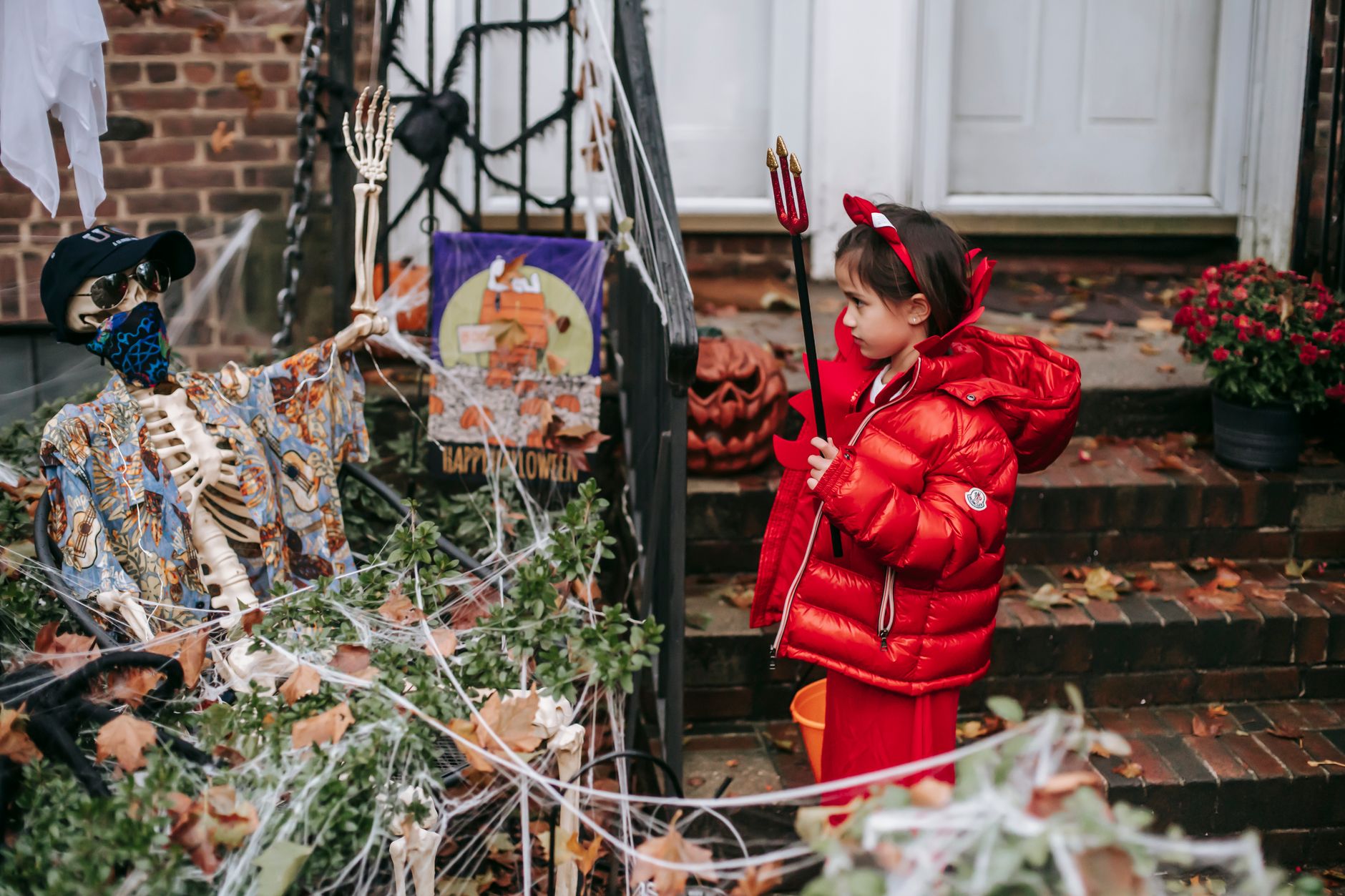
An invitation to an event, a costume project, or a themed snack may sound enjoyable. You are free to say yes when it works. You are equally free to say, "Not this year."
Before adding an extra, ask:
- Do we actually want to do this?
- Does it fit our time, money, and energy?
- What could we skip if we choose it?
If the answer is easy, enjoy the extra. If it would make the week harder, return to your three anchors.
Try not to measure your family's celebration against social media images or another household's traditions. Different families have different resources, schedules, needs, and interests. A quiet drawing on the fridge can be as meaningful to a child as an elaborate display.
What a low-effort Halloween can look like
Imagine a family with a normal busy week. On Tuesday, a child draws a pumpkin for the kitchen window. On Thursday, everyone tells a funny ghost story after dinner. On Halloween night, they turn on a little battery candle and each name one favorite moment of the week.
That is the entire plan. If they also want costumes or a neighborhood outing, they can fit those around the anchors. If everyone is tired, the plan still works.
Halloween does not need to be a month of production. One decoration, one activity, and one small ritual can leave room for surprise, laughter, and rest. The memorable part is often not how much you arranged but how comfortable everyone felt being there.