
Kids
A Simple After-School Backpack Routine That Actually Fits Daily Life
A short landing routine for backpacks, lunch items, school papers, and tomorrow’s needs—without building an elaborate organization system.
A Simple After-School Backpack Routine That Actually Fits Daily Life
The backpack comes through the door carrying a little bit of everything: yesterday’s lunch container, a permission slip, a library book, a damp sweatshirt, and something important that will be needed tomorrow.
You do not need an elaborate command center to manage it. A useful after-school routine can be just a few steps, done in the same order and in the same places every day.
The goal is simple: make tomorrow easier before the backpack disappears into the house.
Give the backpack one home
Start with one dependable landing spot.
It might be a hook by the door, a chair in the hallway, a basket, or a section of the floor beside a cabinet. It does not need to look impressive. It needs to be easy for your child to use.
If the backpack has one home, you eliminate one recurring morning question: “Where is my bag?”
Choose the spot based on how your family actually enters the house, not where a backpack would look best in a photograph. A slightly imperfect spot that gets used is more valuable than an ideal spot everyone walks past.
Use one short sequence
When your child gets home, keep the routine to a handful of actions:
- Backpack goes to its home.
- Lunch items come out.
- School papers go to the parent-review spot.
- Anything needed tomorrow gets handled.
- Backpack returns to its home.
That is the whole system.
If five steps are too many at first, begin with the first two. Once those happen almost automatically, add the next one.
Empty the lunch items immediately
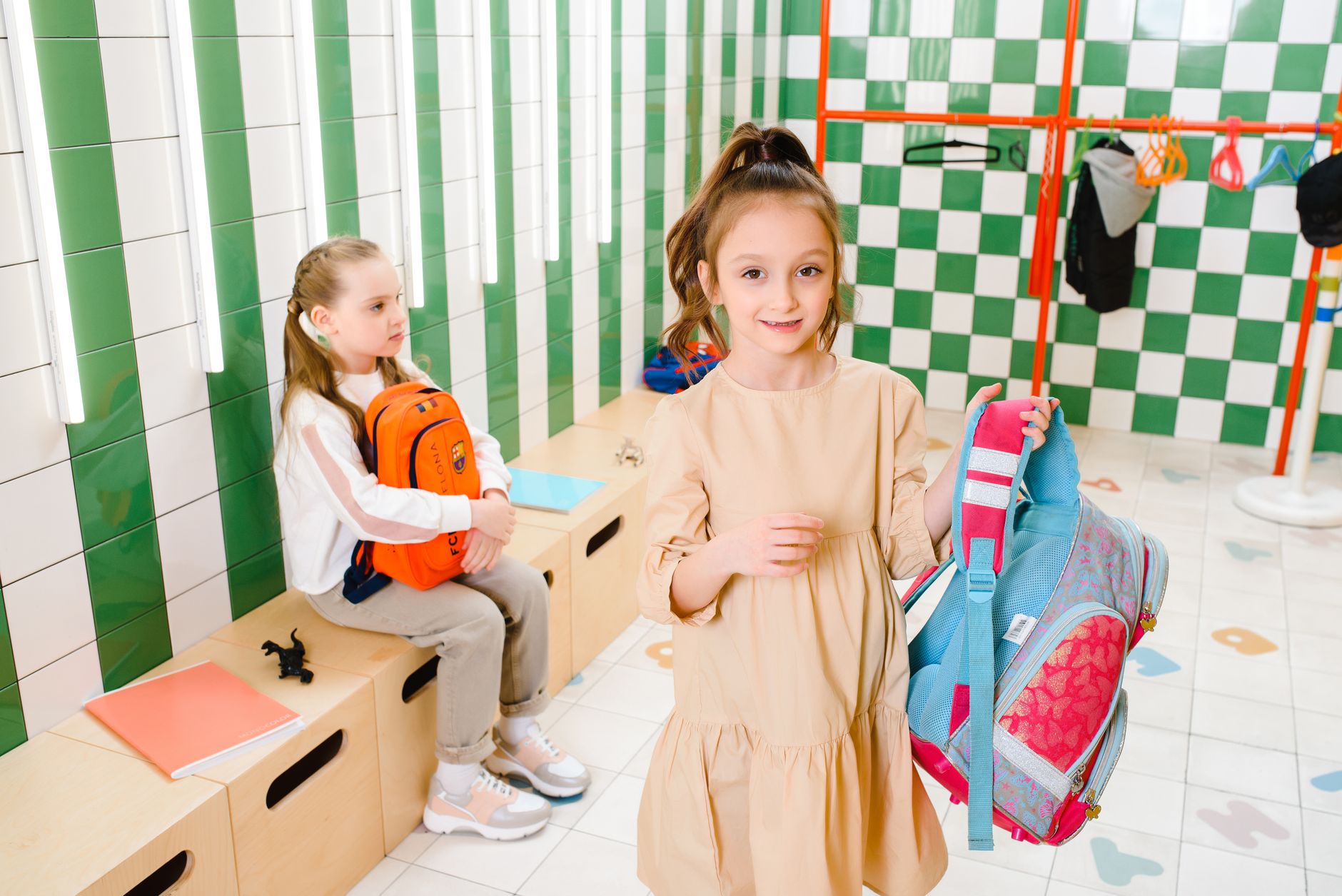
Lunchboxes are easy to forget once the backpack is closed.
Make “lunch things out” one of the first steps. Depending on your household, that might mean putting the lunchbox on the kitchen counter, placing containers by the sink, or putting a reusable bottle in its usual washing spot.
Your child does not necessarily need to wash everything. The useful habit is getting lunch items out of the backpack and into the place where the next part of the household routine can happen.
This also creates a natural reset: the backpack is no longer carrying food containers into the next school day.
Create one place for papers adults need to see
School papers become difficult when they have multiple destinations. Instead, pick one parent-review spot.
It could be:
- one tray on a counter
- one basket on a desk
- one magnetic clip on the refrigerator
- one specific corner of the kitchen table
The child’s job is not necessarily to decide what every paper means. Their job is to put papers that need adult attention in that one place.
Then the adult knows where to look.
Once you have reviewed a paper, move it wherever it actually belongs. The landing spot is an inbox, not long-term storage.
Handle tomorrow while the bag is already open
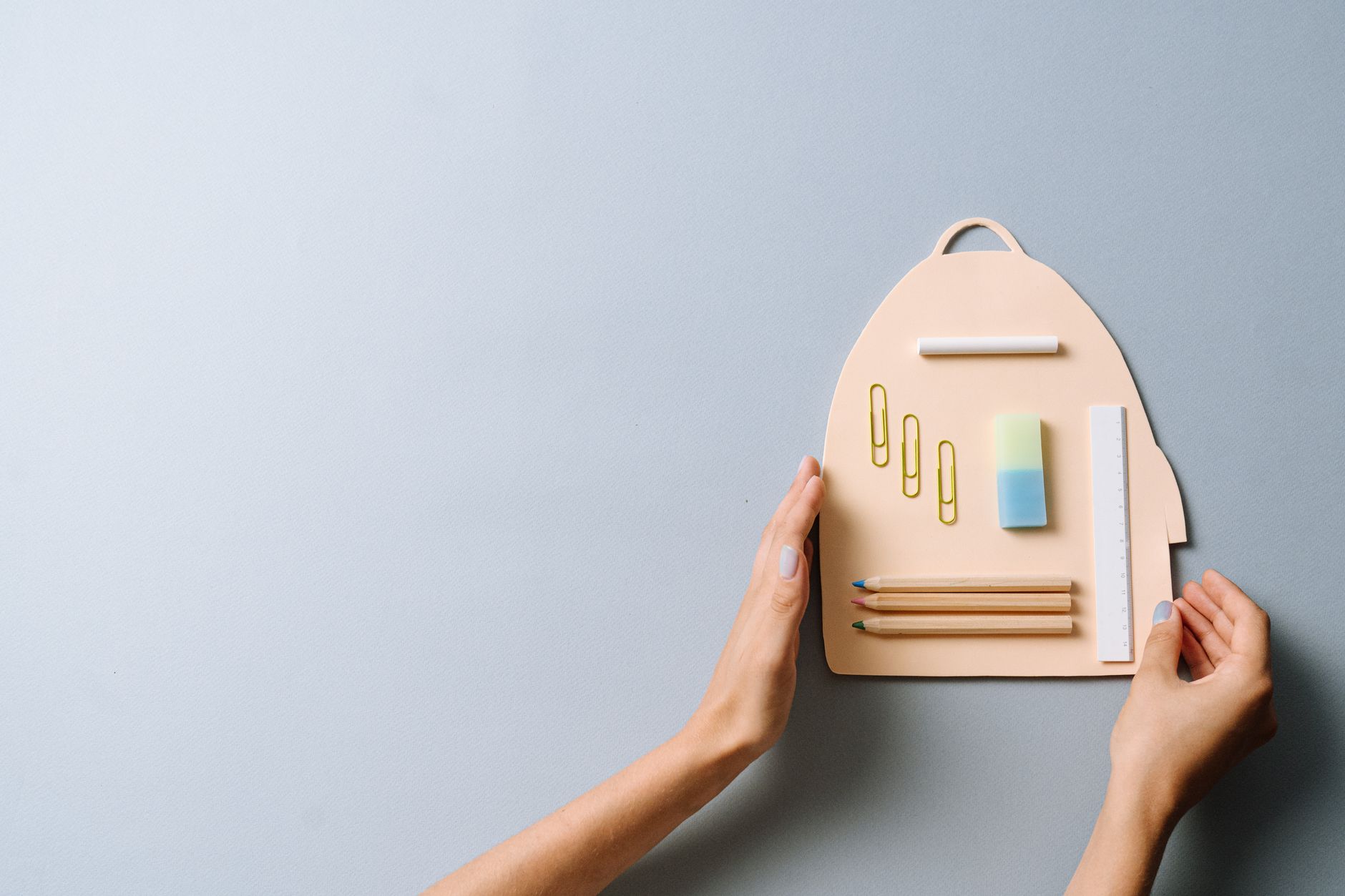
Some items need a quick action before the next school day: a form needs a signature, a library book needs to go back into the backpack, or a folder needs to be returned.
Keep this step narrow. Ask: Is there anything here that needs an action before tomorrow?
If yes, handle it or put it somewhere that makes the next action obvious.
For example, after signing a form, put it directly back in the backpack rather than leaving it on the counter to be remembered in the morning.
Resist adding extra categories
Once a small routine starts working, it can be tempting to improve it with color-coded folders, separate bins for every subject, detailed labels, or a complicated family filing system.
Those things can be useful if your family genuinely needs them. But they are not required for the basic problem.
Before adding a new step or container, ask: “What recurring problem will this solve?”
If there is no clear answer, leave the routine alone.
Make the routine visible at first
A short checklist can help while the sequence is new:
BACKPACK LANDING
- Bag home
- Lunch out
- Papers in tray
- Tomorrow checked
- Bag home again
Put it where the backpack lands. The checklist lets the environment carry some of the reminder burden.
Over time, your child may stop needing it. There is no prize for removing it quickly; if a visible prompt keeps the routine moving, it is doing its job.
Keep reminders brief
A routine is harder to learn when the instructions change every day.
Instead of giving a long series of reminders, use one consistent cue such as, “Backpack routine.”
If your child gets stuck, point to the next step. You can help without taking over the whole sequence.
Some days will still be messy. Your child may be hungry, tired, excited, or eager to get to something else. The aim is repeatability, not perfect compliance every afternoon.
Let “done” be done
The biggest advantage of a small routine is that it has a clear finish.
The backpack is in its place. Lunch items are out. Papers are where an adult will see them. Tomorrow’s urgent items have been handled.
Then your child can move on with the afternoon.
A system that takes three minutes and happens most days is often more useful than a beautiful system that requires everyone to maintain ten different habits. Keep the landing routine short enough that it can survive ordinary family life.