
Kids
When School Lunch Keeps Coming Home Uneaten: A Low-Pressure Troubleshooting Guide
Before turning an untouched lunchbox into a battle, troubleshoot the practical reasons a child may not be eating at school.
When School Lunch Keeps Coming Home Uneaten
You pack a lunch, it goes to school, and several hours later much of it comes back. When that happens repeatedly, it is easy to jump straight to frustration: Why aren't they eating?
A more useful starting point is curiosity. School lunch is not the same as eating at home. The time may be short, the room may be noisy, containers may be awkward, and foods that are appealing at 7 a.m. can be much less appealing by noon.
Instead of treating an uneaten lunch as misbehavior, treat it as information. A few neutral questions and small experiments can often reveal what is getting in the way.
Start with questions that do not feel like an interrogation
Try asking about the lunch period rather than asking why your child "didn't eat."
Questions such as these can be easier to answer:
- “What happens when you get to lunch?”
- “Do you feel like you have enough time to eat?”
- “Was anything hard to open today?”
- “Was the food still the way you expected it to be?”
- “What was easiest to eat?”
- “Was there anything you wished I had packed differently?”
You may not get a detailed explanation immediately. That is okay. The goal is to make lunch something you can troubleshoot together, not something your child has to defend.
Check how much time is actually available
A lunch period can look generous on paper while feeling very short to a child. There may be time spent walking to the lunch area, waiting, finding a seat, opening containers, talking with friends, or cleaning up.
If your child says they run out of time, experiment with foods that require fewer steps. A sandwich already cut into manageable pieces may be easier than several containers. Peeled fruit may work better than fruit that takes time to prepare. A snack-sized portion can sometimes be more realistic than a large meal.
This is not necessarily about getting your child to eat faster. It is about making the lunch fit the environment they actually have.
Look at distractions and social priorities
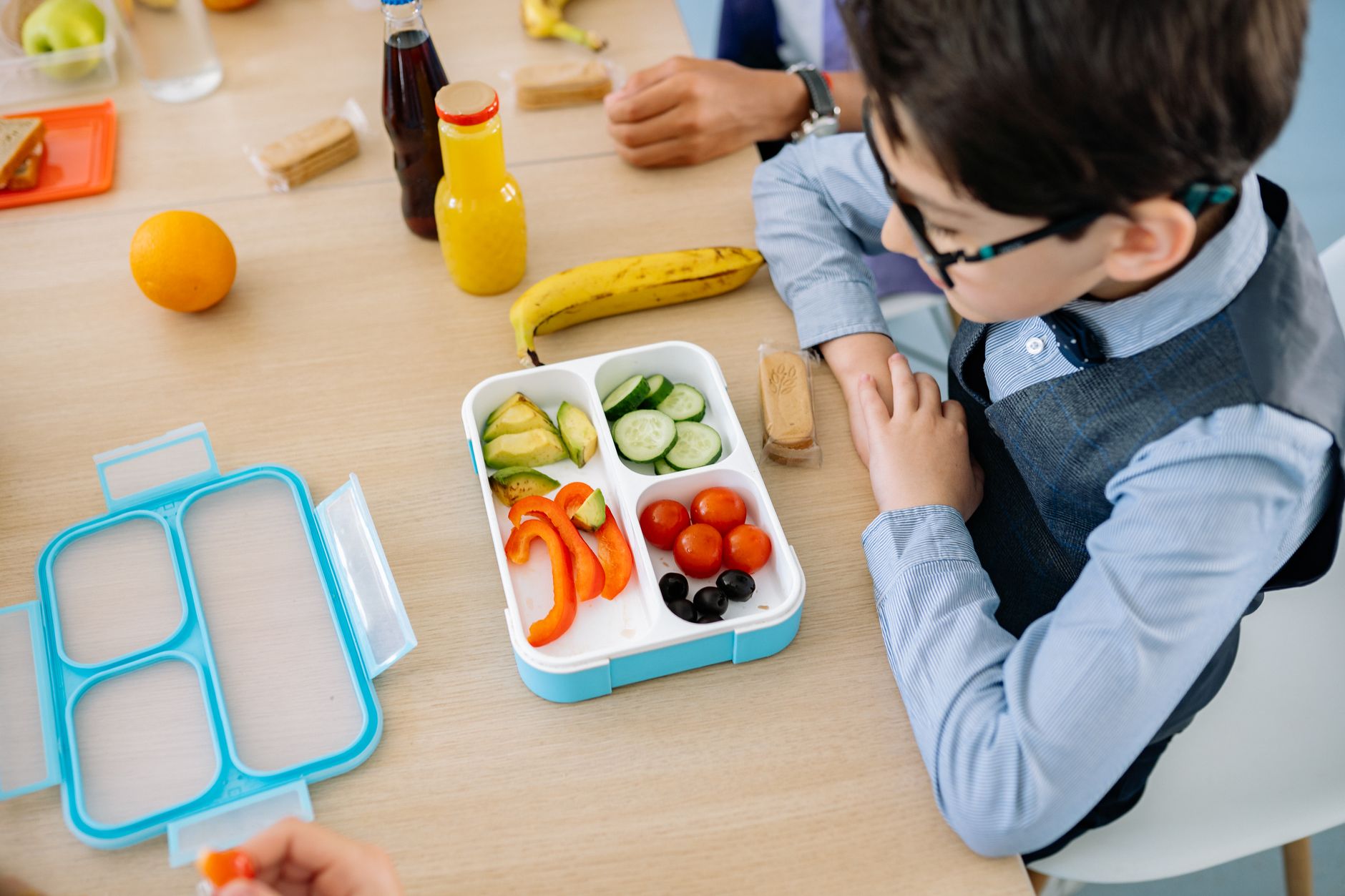
Lunch is also social time. For some children, talking with friends is far more interesting than eating. Others may be distracted by noise, activity, or simply watching what everyone else is doing.
Rather than framing conversation as the problem, acknowledge that lunch has several competing activities. You might ask, “Do you usually start eating right away, or do you talk first?” That can help your child notice their own routine.
A simple plan—such as eating one familiar item before getting deeply involved in conversation—may be enough. Keep it collaborative rather than turning it into a rule that must be reported back.
Test every container at home
Adults sometimes underestimate how much effort lunch packaging requires.
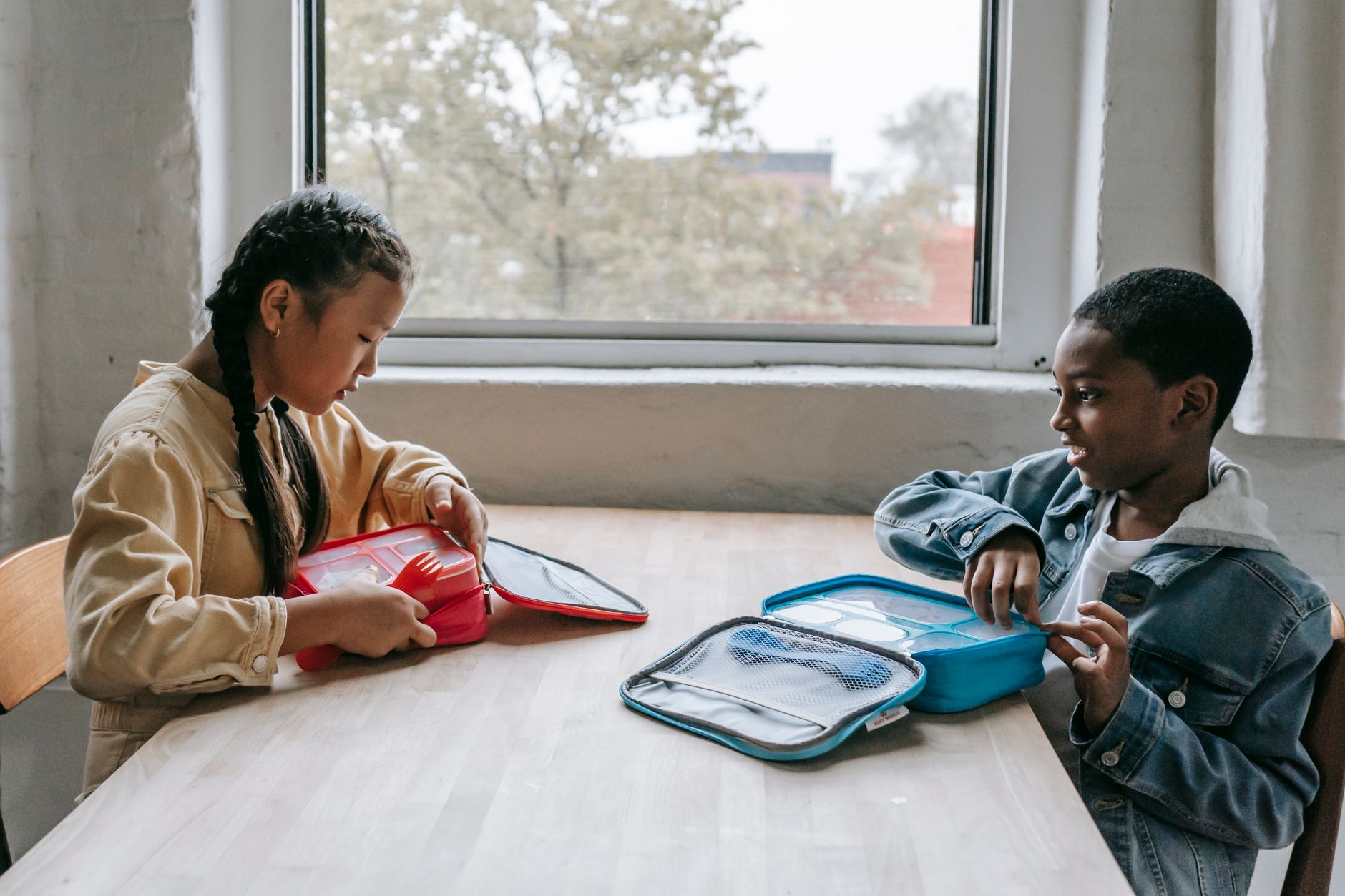
Have your child independently open the lunchbox, bottle, thermos, snack bags, reusable containers, and any tightly sealed lids. Try it with the amount of food you normally pack. A container that is easy for an adult may be frustrating for smaller hands, especially when there is little time.
Also check whether utensils are easy to find and use. If a child needs a spoon but cannot find one until the end of lunch, the food may simply stay untouched.
Reconsider portion size
A large lunch can look reassuring when you pack it, but it can also be overwhelming. If most of the food regularly returns home, try smaller portions for a few days and see what happens.
You can still include variety without packing a large amount of everything. A modest main item plus a couple of familiar sides may be easier to navigate.
Ask your child which foods they actually expect to eat at school. Their answer may differ from what they happily eat at home.
Notice what happens to temperature and texture
Food changes during the hours between packing and lunch.
Bread can become soggy. Cut fruit can soften. Crackers can lose their crunch if packed beside moist foods. Warm foods may cool, and chilled foods may not feel as appealing as expected.
If a food repeatedly comes home untouched, try it yourself after it has spent several hours packed the same way. You are not conducting a scientific test; you are simply checking whether the lunch experience matches what you imagined in the morning.
Small changes can help: keeping wet and dry ingredients separate, choosing foods that hold their texture well, or using an appropriate insulated container.
Keep some foods reliably familiar
School lunch may not be the easiest place to introduce uncertainty. A child who is busy, distracted, or pressed for time may be more willing to eat foods they already know well.
That does not mean every lunch has to be identical. It means there can be value in including at least one or two foods your child reliably recognizes and likes.
If you want to add something less familiar, consider pairing a small amount with established favorites rather than making the whole lunch depend on it.
Let your child help pack
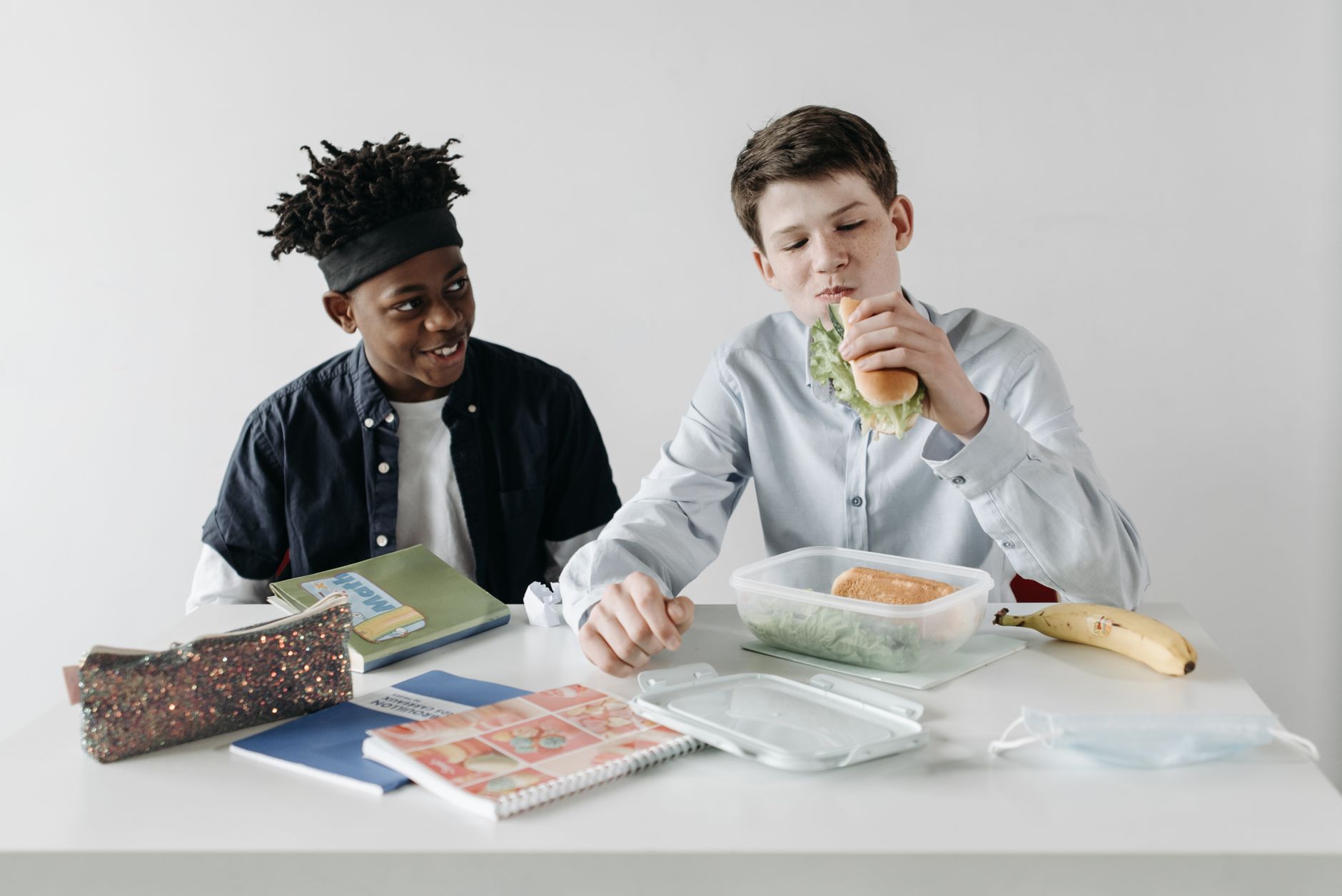
Children often have useful information about what works at school, even when they cannot explain it abstractly.
Invite your child to choose between realistic options: “Would you rather have the wrap or the sandwich tomorrow?” “Apple slices or a pear?” “This container or that one?”
Depending on age, they can also help portion food, fill containers, or assemble part of the lunch. Participation can make it easier to discover preferences without making the child solely responsible for whether the lunch gets eaten.
Change one thing at a time
If you completely redesign lunch every day, it becomes difficult to learn anything from what comes back.
Instead, run small experiments. Use the same familiar lunch but change the container. Reduce the portion. Separate a soggy ingredient. Pack one food your child specifically requested. After a few days, compare.
You are looking for patterns, not a perfect empty lunchbox.
Keep the conversation low-pressure
An uneaten lunch can be inconvenient and worrying, but pressure can make the lunchbox carry more emotional weight than it needs to.
Try to respond to leftovers neutrally: “Looks like quite a bit came back today. Anything we should change tomorrow?” Then listen.
If you have broader concerns about your child's eating, growth, health, or wellbeing, those deserve individualized attention from an appropriate health professional. But for an otherwise ordinary lunchbox problem, practical troubleshooting is a reasonable place to begin.
The useful question is not “How do I make my child finish lunch?” It is “What is making lunch difficult, and what small change can we try next?”