

Kids
A Calm Routine for Bringing Jackets and Hoodies Home From School
Help school layers make it home with labels, one clear storage spot, a leaving-school visual cue, a child-led check, and a simple one-week reset.
A hoodie leaves home on Monday and does not return. Then a jacket disappears into the school day. By the next morning, everyone is frustrated.
Repeated reminders may help in the moment, but they can also become background noise. A kinder approach is to make remembering the layer part of a small, repeatable end-of-day routine.
The goal is not to prove that your child should have remembered. It is to give them a practical system they can gradually own.
Find one school storage spot
First, ask where jackets and hoodies are supposed to go during the day. Your child's school might use a hook, cubby, locker, or another designated area.
Help your child identify one default place within the school's existing arrangements. It should be easy to reach and simple to describe: "My jacket lives on the second hook," or "My hoodie goes in the top of my locker."
At home, choose one return spot as well. A hook or basket near the entrance gives the item an ordinary place to land.
Use a short phrase: "One place at school, one place at home."
If the school has a shared coat area, do not invent a different storage rule. Work with what your child is actually allowed to use.
Add a clear label
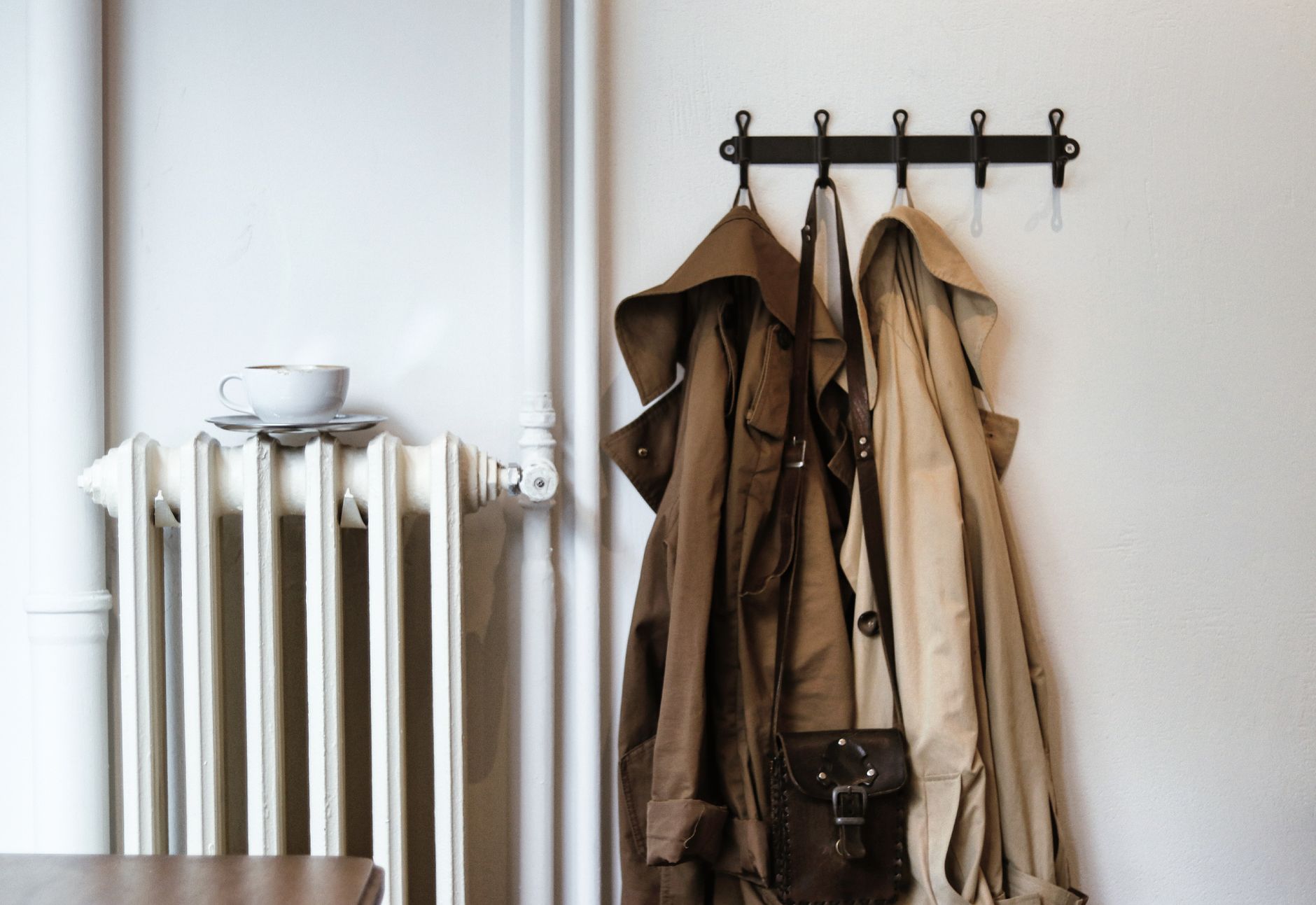
A name label helps when several similar sweatshirts or jackets are mixed together. Place it somewhere visible when the clothing is being checked but comfortable for your child to wear.
Let your child help choose where it goes: "Let's put your name somewhere that helps us find the hoodie but doesn't scratch."
Check the label after washing to make sure it still works. A label cannot stop something being lost, but it makes a later search less confusing.
If clothing is frequently shared between siblings, explain which layer belongs in which bag rather than relying on a parent to identify everything afterward.
Put the cue where leaving happens
A reminder in the morning is often far removed from the moment your child needs it. Make the reminder part of the leaving-school routine instead.
A small paper picture on the backpack can show two things: bag and jacket. Another option is a short phrase written inside an existing folder your child checks at pickup, if school rules permit it.
The cue should be easy to notice and easy to act on. For example:
Bag. Hoodie. Home.
For a child who does not read yet, draw a school bag, a sweater, and an arrow. Ask them to explain what the pictures mean.
Practice the sequence out loud: "I pick up my bag. I look at the picture. I check my hook. I get my hoodie."
Avoid multiple notes in multiple places. One useful cue is usually easier to remember than a whole collection of reminders.
Give your child the last check
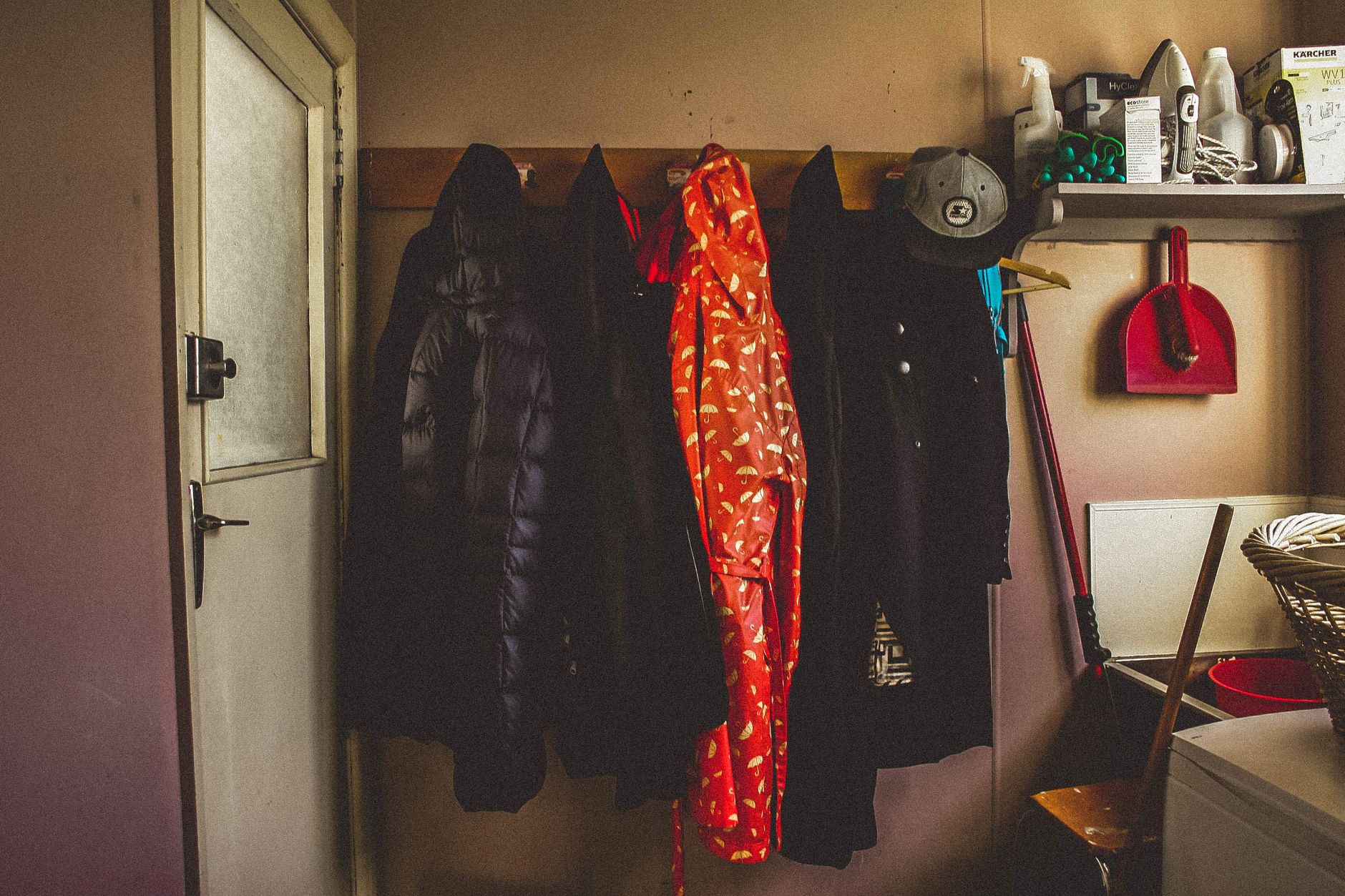
It can be tempting to make the adult responsible for everything at pickup. But the child needs an opportunity to use the cue.
Before school, try: "Show me what you'll check before you leave." At the end of the day, ask neutrally, "Did you get to do your bag-and-hoodie check?"
If the item is missing, focus on the next helpful action, not a lecture. Your child might look back at the assigned spot when school arrangements allow or ask a teacher for help.
A younger child may need a staff member or caregiver to prompt the check; an older child might manage independently. The level of support can change gradually as the routine becomes familiar.
Practice for one week
Treat this as a five-school-day reset rather than a permanent new rulebook.
Monday: Label the jacket or hoodie, confirm the assigned school storage spot, and make a visual cue together.
Tuesday: Act out the end-of-day routine at home. Pretend to put on the backpack, spot the cue, and collect the layer.
Wednesday: Ask what your child noticed at leaving time. If the cue was hidden, move it somewhere more useful rather than adding a lecture.
Thursday: Let your child describe the routine themselves. "What are your three steps before you head out?"
Friday: Review what helped: "Did the picture work? Is the storage place easy to remember? What should we change next week?"
Do not measure the week only by whether every garment came home. Notice whether your child knows the routine and has a realistic chance to use it.
Handle lost-and-found without blame
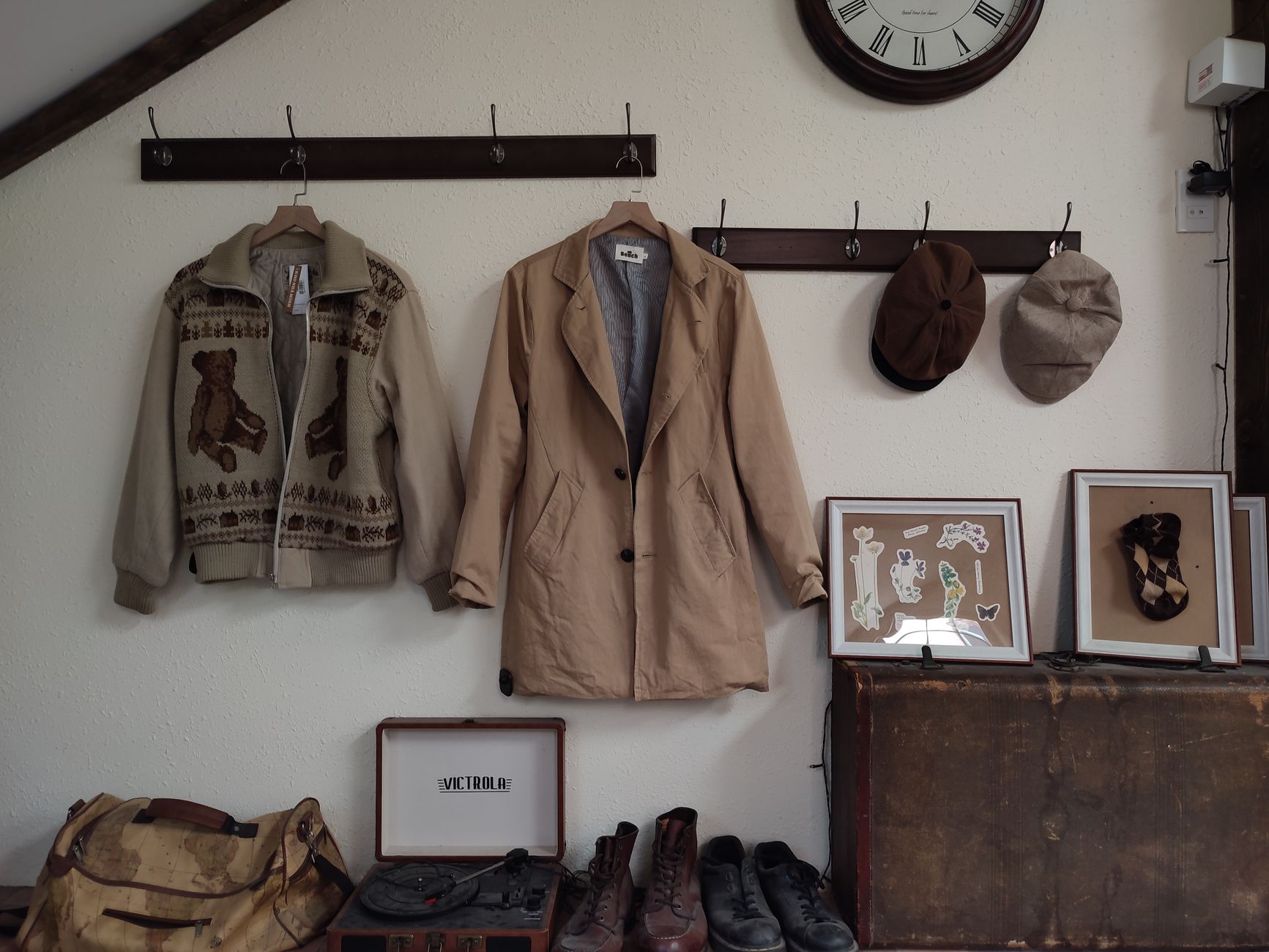
If a hoodie does go missing, begin calmly. Check the usual storage location and bag, then follow the school's lost-and-found procedure. Depending on the school's rules, your child may be able to check with an adult there.
Say, "It's not here. Let's check the hook and the lost-and-found. Then we'll figure out what could help tomorrow."
Avoid making your child feel that reporting a missing item is worse than the loss itself. You want them to tell you early so there is a chance to look for it.
If the item is not recovered, use another suitable layer already at home when possible and decide calmly whether or when it needs replacing.
Make adjustments to the system, not accusations
If the routine keeps slipping, ask whether the storage spot is accessible, the visual cue is noticeable, and the last minutes of the day are too hurried for the current plan.
Perhaps the reminder belongs on a different side of the backpack. Perhaps a shorter check is needed. Perhaps your child needs support remembering the first step.
These are solvable design questions, not evidence that your child does not care.
A label, a predictable hook, and a three-second leaving-school check cannot guarantee that every jacket will come home. They can make the task more manageable, reduce repeated arguments, and help your child practice everyday responsibility with support.