

Kids
Should Kids Open Birthday Gifts During the Party or After Guests Leave?
There is no single correct rule for opening birthday gifts. Party size, timing, your child, your guests, and family preference can all help you decide what will work best.
At some children's birthday parties, opening gifts is a main event. Everyone gathers around, the birthday child unwraps each package, and guests get to see the reaction. At others, the gifts stay on a table until the last guest has gone home.
Both approaches can work. The better choice is usually the one that fits this party, this child, and this group of guests rather than a universal etiquette rule.
Opening gifts during the party
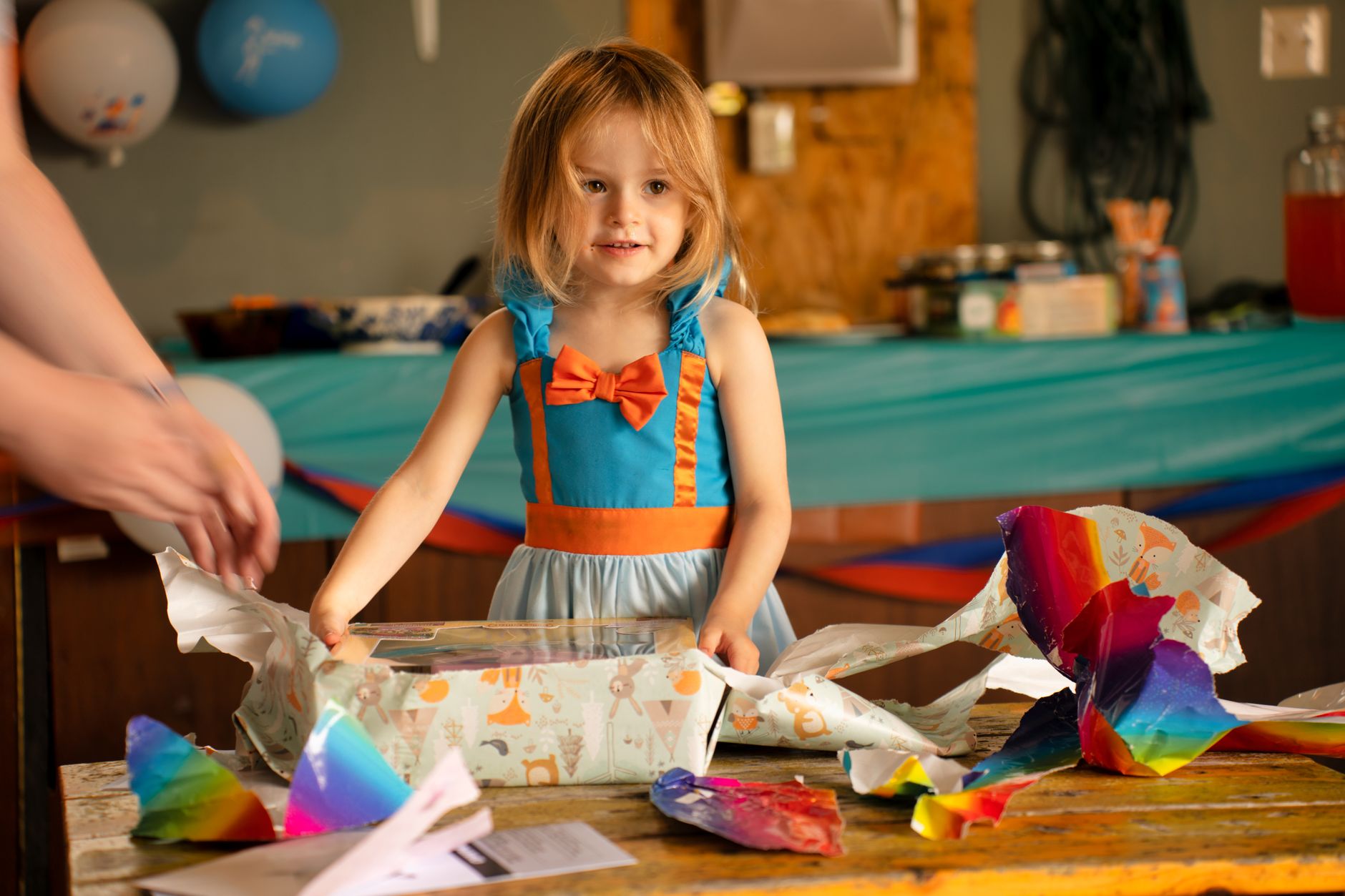
Opening gifts together can feel festive and personal. A child who carefully chose a present may be excited to watch their friend open it, and the birthday child gets a natural chance to say thank you face-to-face.
This option tends to be easier when the party is relatively small, there is enough unstructured time, and the birthday child can move through gifts without becoming overwhelmed or getting stuck playing with each new item.
It may also fit families where gift-opening is simply part of the birthday tradition.
The downside is that it can take longer than expected. At a larger party, opening ten or fifteen gifts can become a major block of time. Some children may get restless while watching, and the birthday child may become overstimulated, distracted, or intensely focused on one present.
Gift-opening can also create awkward social moments. Children may compare gifts, reactions may not look equally enthusiastic, and a guest may feel uncomfortable if their present is smaller or different from others.
Waiting until guests leave
Saving gifts for later keeps the party focused on playing, food, activities, and time together. It can be especially useful when the schedule is already full or the guest list is large.
It may also be a better fit for a child who gets easily overwhelmed, has trouble shifting away from new toys, or tends to react very strongly in the moment. Opening gifts privately gives you more room to slow things down and help your child respond thoughtfully.
The tradeoff is that guests do not get to see the gift opened. For some kids, that may feel disappointing because watching the reaction is part of the fun of giving.
You can solve much of that with a simple thank-you later. A short text, note, or message from your child can acknowledge the gift without turning the party into a long opening session.
Let the size and timing of the party guide you
A useful question is: How much room does this party actually have for gift-opening?
If you have five children, two hours, and plenty of downtime, opening gifts together may fit naturally.
If you have twenty children, a rented venue, a fixed activity schedule, pizza, cake, and a hard end time, gift-opening may feel rushed and take attention away from the rest of the party.
There is nothing rude about choosing the option that makes the event run more smoothly.
Consider your child's temperament
Some children genuinely enjoy sitting in front of a group and opening gifts one by one. Others find the attention uncomfortable.
Think about how your child usually handles excitement, transitions, and being watched. A child who becomes absorbed in each new toy may have trouble leaving the gift pile and returning to the party. A child who feels pressure to produce the “right” reaction may enjoy opening gifts much more in private.
You are not trying to engineer perfect manners. You are choosing a setting where your child is more likely to manage the moment well.
Guest dynamics matter too
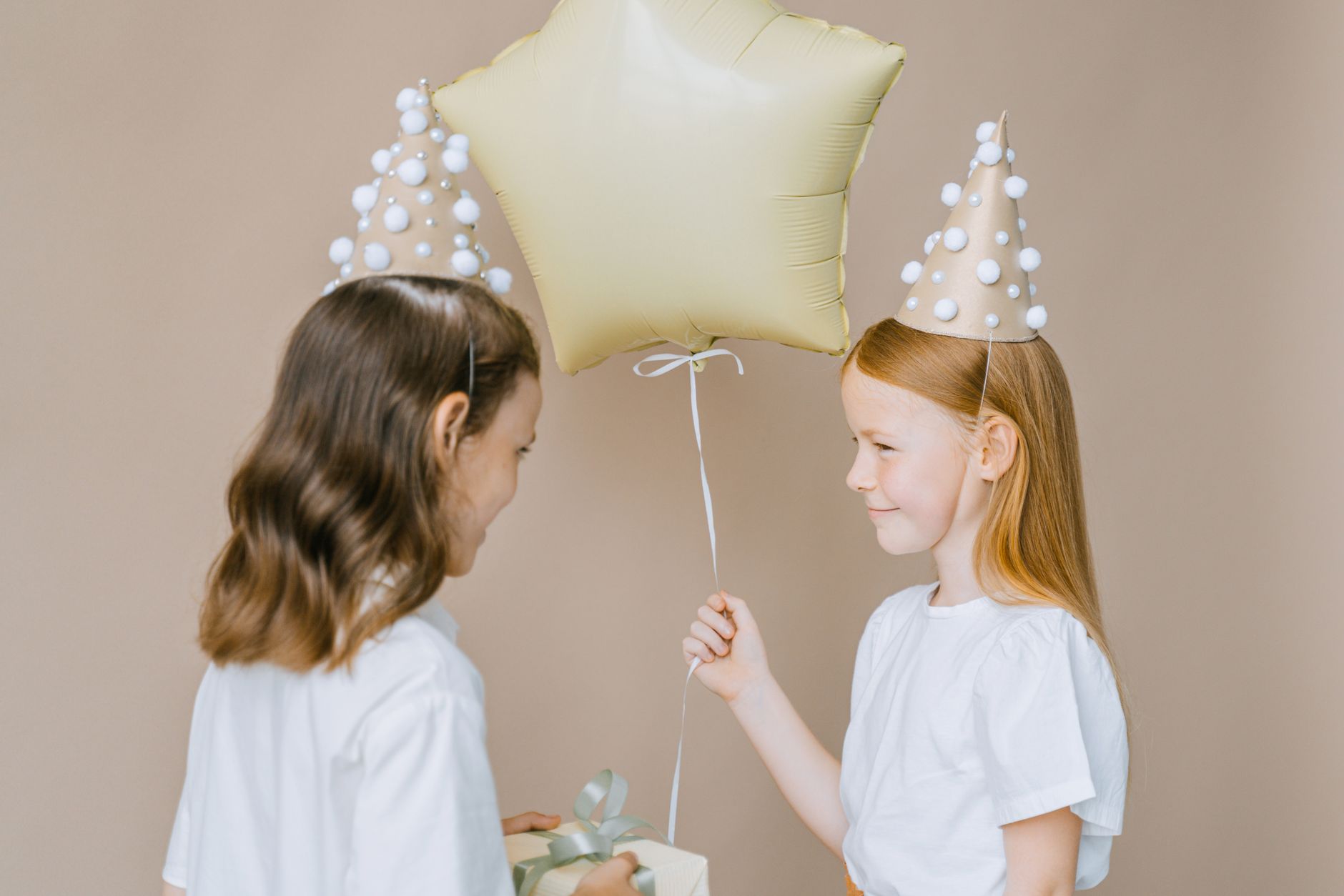
With close family or a small group of longtime friends, opening gifts can feel relaxed and natural.
With a larger mixed group, there may be more comparison and more waiting. Younger guests in particular may struggle to watch someone else receive a long series of presents.
If you know the group well, trust what you know about them. Etiquette is easier when it serves the people in the room rather than becoming a rule for its own sake.
Tell people the plan simply
You do not need to make a formal announcement in advance unless the plan affects the invitation.
If you are opening gifts during the party, you can simply say when the time comes:
“Okay, we're going to open presents before cake.”
If you are saving them for later, something like this is enough:
“Thank you so much. We're going to open gifts after the party so the kids can keep playing.”
If a child really wants to watch your child open their present, you can decide whether to make an exception. There is no need to be rigid if a small adjustment works for everyone.
Help your child receive gifts graciously
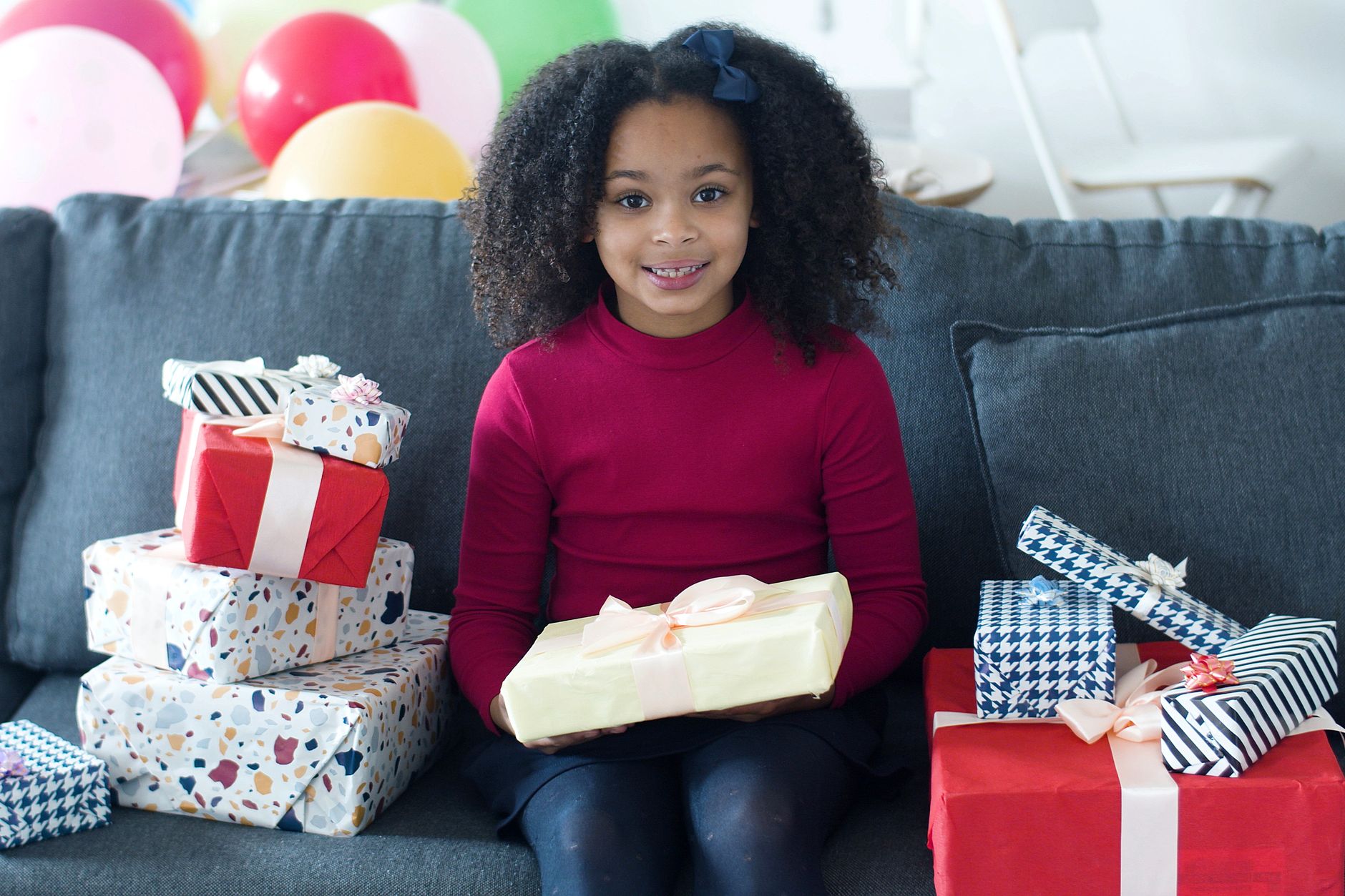
Whichever option you choose, it helps to prepare your child with a simple expectation: every gift gets a thank-you.
If gifts are opened in front of guests, remind your child that they do not have to perform huge excitement. A genuine “thank you” is enough.
You might say beforehand:
“You don't have to pretend every gift is your favorite. Just look at the person, say thank you, and remember that they chose something for you.”
If your child opens gifts later, involve them in the thank-you afterward. They can draw a picture, dictate a short message, write a note, or help send a quick thank-you text.
There is no single correct party rule
Opening gifts during the party can be warm, social, and fun. Waiting until later can be calmer, easier, and better for the flow of the event.
The decision does not need to say anything larger about your parenting or your manners. Look at the size of the party, the available time, your child's temperament, the group, and your family's preferences.
Then choose the version that lets the birthday celebration feel like a celebration rather than an etiquette test.