
Kids
Make Chores Clear: Turning Vague Expectations Into Repeatable Routines
A practical way to turn vague chore requests into small, visible routines children can understand and complete with fewer reminders.
“Help around the house” sounds reasonable, but it is difficult to act on. So are “keep your room clean” and “be responsible.” Adults carry an invisible map of what needs doing, when it happens, and what counts as finished. Children may hear only a broad instruction with no obvious starting point.
A more workable approach is to turn a few recurring jobs into clear, repeatable routines.
Make each job concrete
Instead of “keep the entryway tidy,” try: “When you come home, shoes go on the rack, coat goes on the hook, and backpack goes by the desk.” Instead of “clean up after yourself,” try: “After a snack, put your dish in the kitchen and wipe the table if you left crumbs.”
A clear routine answers three questions: What exactly do I do? When do I do it? How do I know I am finished?
Define finished before there is a disagreement
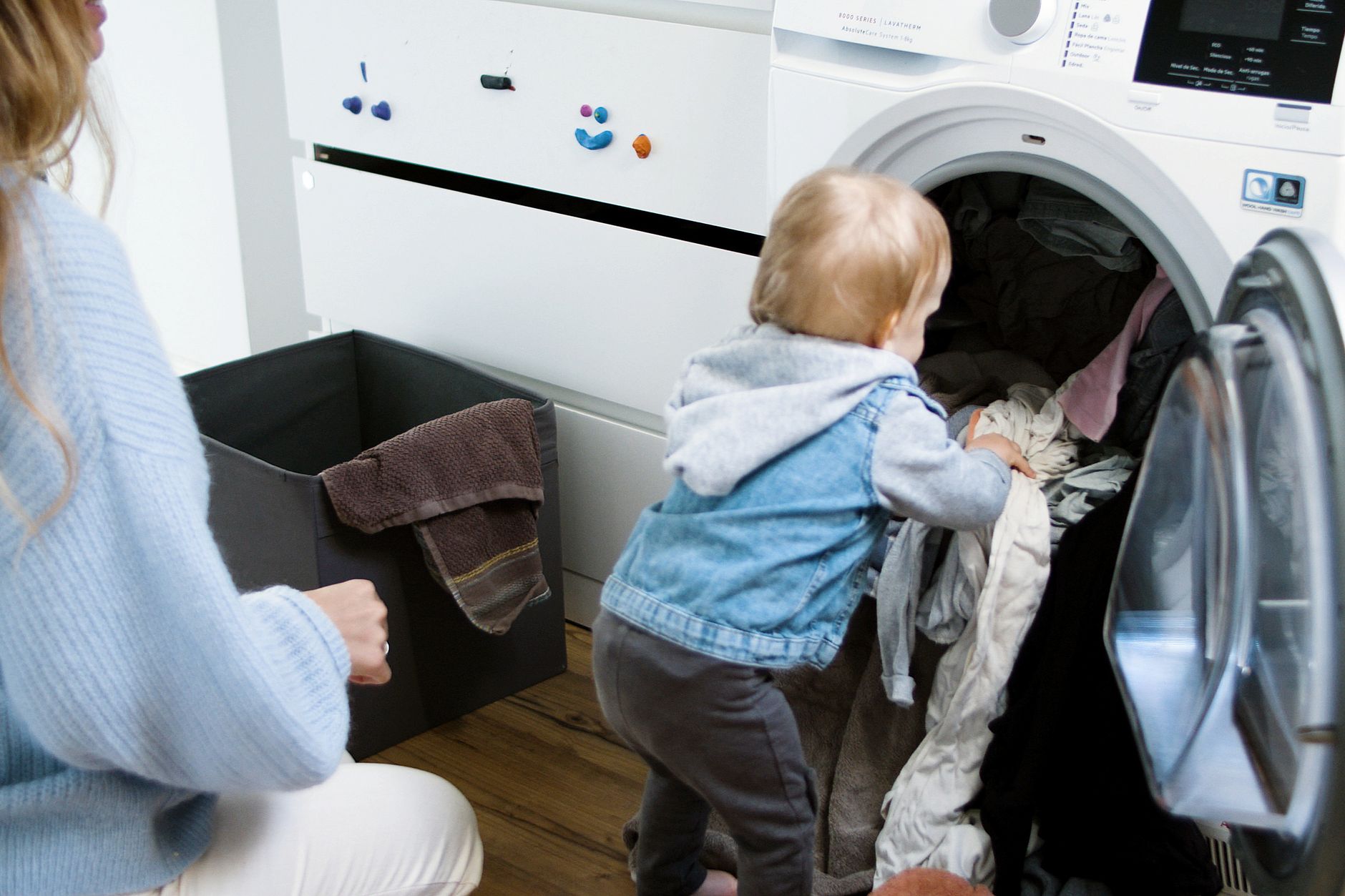
Take “empty the dishwasher.” Does every item have to be put away? What happens when the child cannot reach a shelf? A concrete definition might be: “Put away everything whose place you know. Put unfamiliar items on the counter. When both racks are empty, close the dishwasher.”
For a bedroom, “done” might mean dirty clothes in the hamper, dishes in the kitchen, books on the shelf, toys in bins, and a clear walking path. It does not cover every possible mess, but it gives the child a finish line.
Attach the routine to a predictable cue
“Do it sometime today” requires a child to remember the task while doing everything else. A cue does some of that work: “After breakfast, feed the dog.” “After dinner, clear your plate.” “Before Saturday screen time, put clean clothes away.”
Try not to make every cue a parent command. If “Dad tells me” is the cue, the routine still depends on Dad remembering first.
Make the steps visible
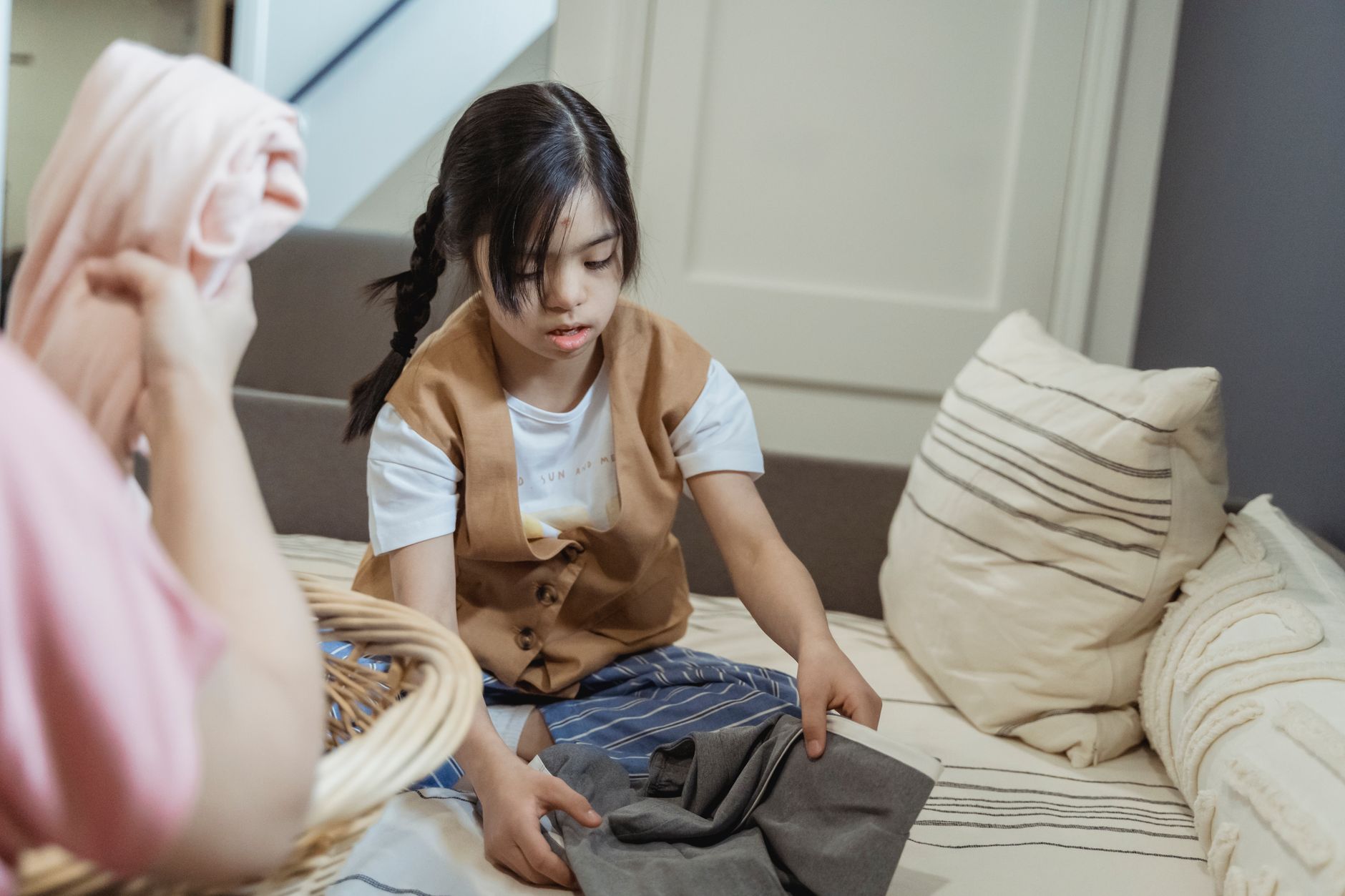
For a new or frequently forgotten routine, put a short checklist where the task happens. A bathroom list might say: put dirty clothes in hamper, hang towel, put toiletries back, check floor and counter. For younger children, pictures can serve the same purpose.
A checklist is not a substitute for teaching. Walk through the routine together. A useful progression is: “I’ll show you,” “let’s do it together,” “you do it and I’ll stay nearby,” then “you do it and check the list.”
Reduce repeated verbal reminders
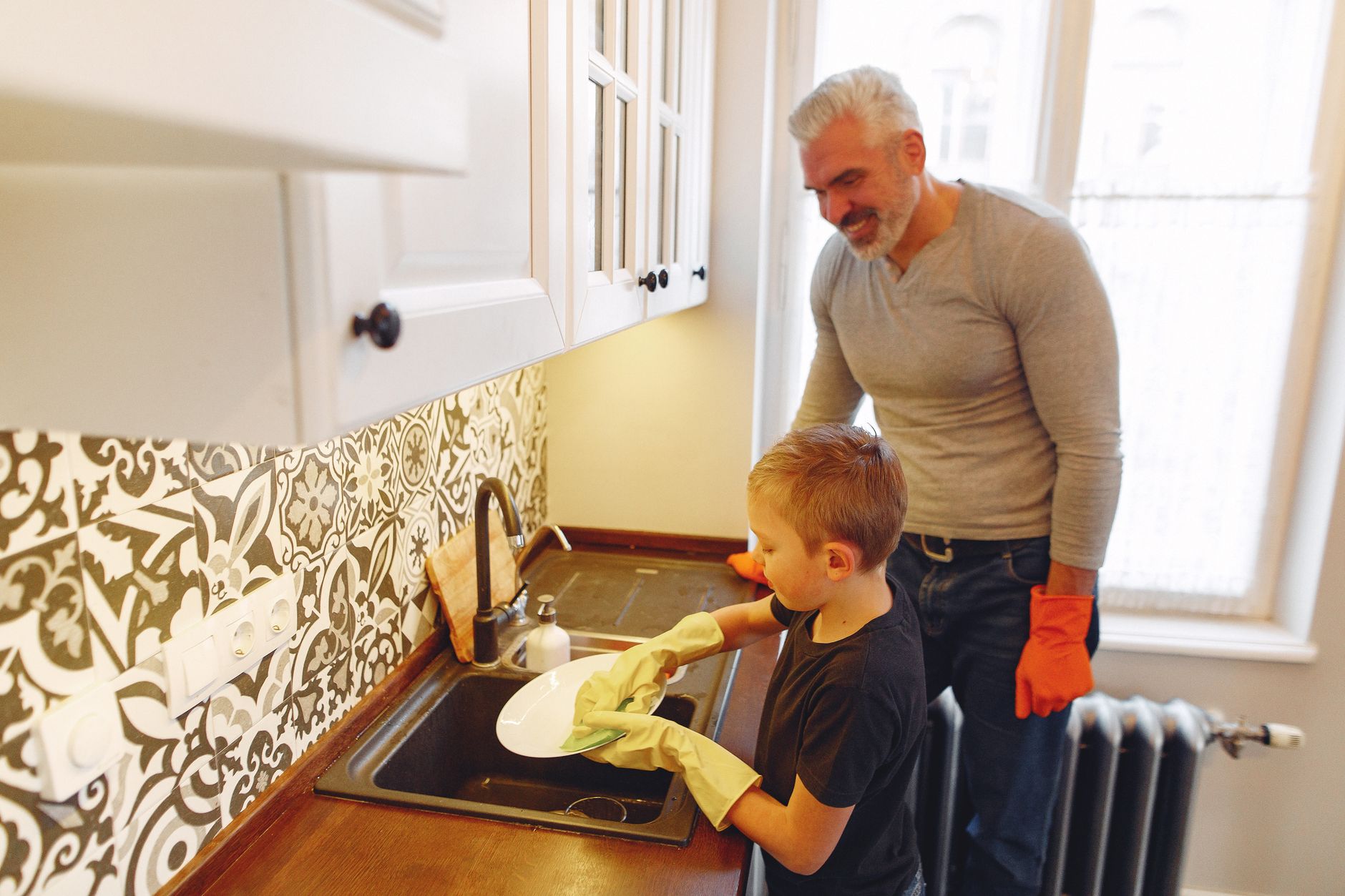
When the routine is forgotten, point back to the system rather than repeating every instruction. Try: “What does your after-school list say?” or simply, “Backpack routine.” A short prompt provides support while keeping responsibility with the child.
If you have reminded several times and nothing is happening, inspect the routine. Is it understood? Is the cue noticeable? Is the task realistically sized?
Make failing routines smaller
“Clean your whole room” may be too large. Try a short reset with three defined targets. “Do your laundry” may actually mean sorting, washing, transferring, drying, folding, and putting away. Start with one or two parts. Ask: “Which step is where this falls apart?”
Also check the environment. Hooks a child cannot reach, complicated toy categories, or supplies stored far from the task can make a simple job unnecessarily difficult. Simplify where you can.
Children can help design routines without having veto power over every responsibility: “This job needs to happen. Would you rather do it after dinner or before your evening activity?”
Before adding more pressure, inspect the system. The goal is not a household where nobody ever needs reminding. It is one where ordinary responsibilities become increasingly understandable and repeatable, so the parent does not have to carry every step in their head and voice forever.