
Kids
Hosting Your Child's First Playdate: A Simple, Low-Pressure Guide
Your child's first hosted playdate does not need elaborate entertainment. Cover a few basics, prepare one easy activity and snack, and keep the visit manageable.
Hosting Your Child's First Playdate: A Simple, Low-Pressure Guide
Hosting your child's first playdate can make an ordinary afternoon feel strangely high-stakes. What should the children do? How much food should you prepare? Do you need activities? What if they get bored?
Fortunately, a playdate is not a children's event production. You are providing a safe, reasonably comfortable place for two children to spend time together. That is enough.
A little preparation can make the visit smoother without turning it into a project.
Align the basics with the other family
Before the playdate, confirm the practical details with the other parent or caregiver.
Make sure you both know the start and end time and who is handling drop-off and pickup. Share any household information that is genuinely relevant to the visit, and ask whether there is anything you need to know about the child's food needs or other practical considerations.
You do not need an exhaustive questionnaire. A brief exchange about the basics helps prevent avoidable confusion.
If this is the children's first time together outside their usual setting, a shorter visit can be easier than an open-ended afternoon. You can always arrange another playdate if they want more time.
Put away things that are not for sharing
Before the guest arrives, ask your child whether there are special possessions they do not want another child to handle.
Then put those items away.
This is often easier than expecting a child to calmly share every treasured object once another child is already reaching for it. Favorite collectibles, fragile creations, special stuffed animals, or anything likely to cause conflict can simply take the afternoon off.
You can explain that the toys left out are the things available for the playdate.
This is not about removing every possible disagreement. Children can practice navigating ordinary differences. You are just eliminating a few predictable flashpoints.
Have one easy shared activity available
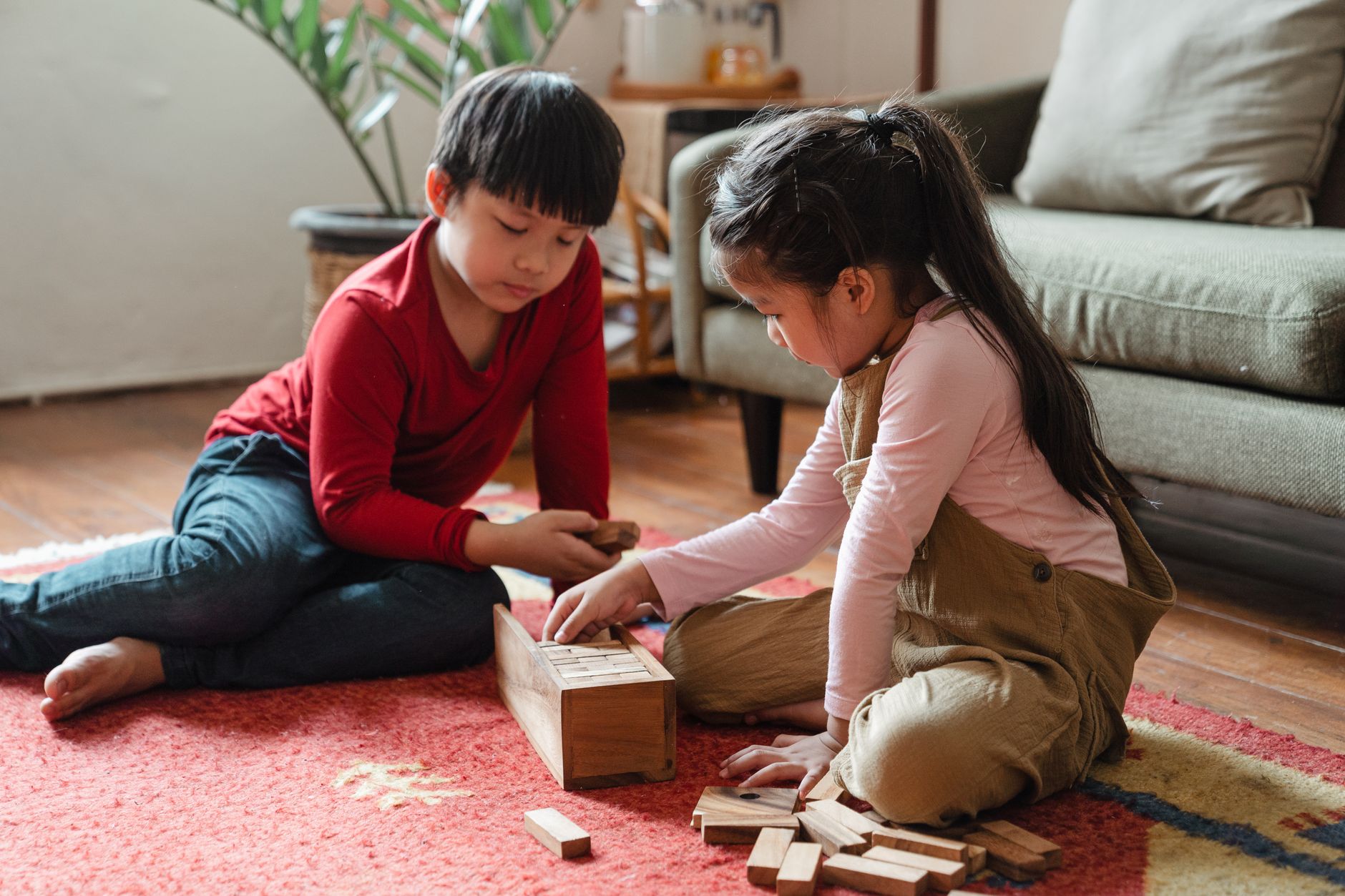
You do not need to schedule the afternoon.
In fact, children may walk in and immediately know what they want to do. If that happens, great.
Still, having one simple activity ready gives you an easy starting point if the first few minutes feel awkward. Choose something that does not require elaborate instructions or a major commitment: building blocks, drawing supplies, a simple craft, a ball outside, a train set, or another activity your child already understands.
Think of it as a backup, not an agenda.
You can say, “You can play with whatever you like. I also put the building set out if you want it.”
Then give them room to decide.
Keep the snack simple
A playdate snack does not need to be impressive.
Choose something straightforward that fits what you have already discussed with the other family. Water plus a simple snack is plenty for an ordinary afternoon visit.
You also do not need a themed tray, multiple courses, or special treats unless you genuinely enjoy doing that.
If the children are absorbed in playing, offer the snack at a natural break. A simple “Anyone hungry?” is usually enough.
Decide how involved you need to be
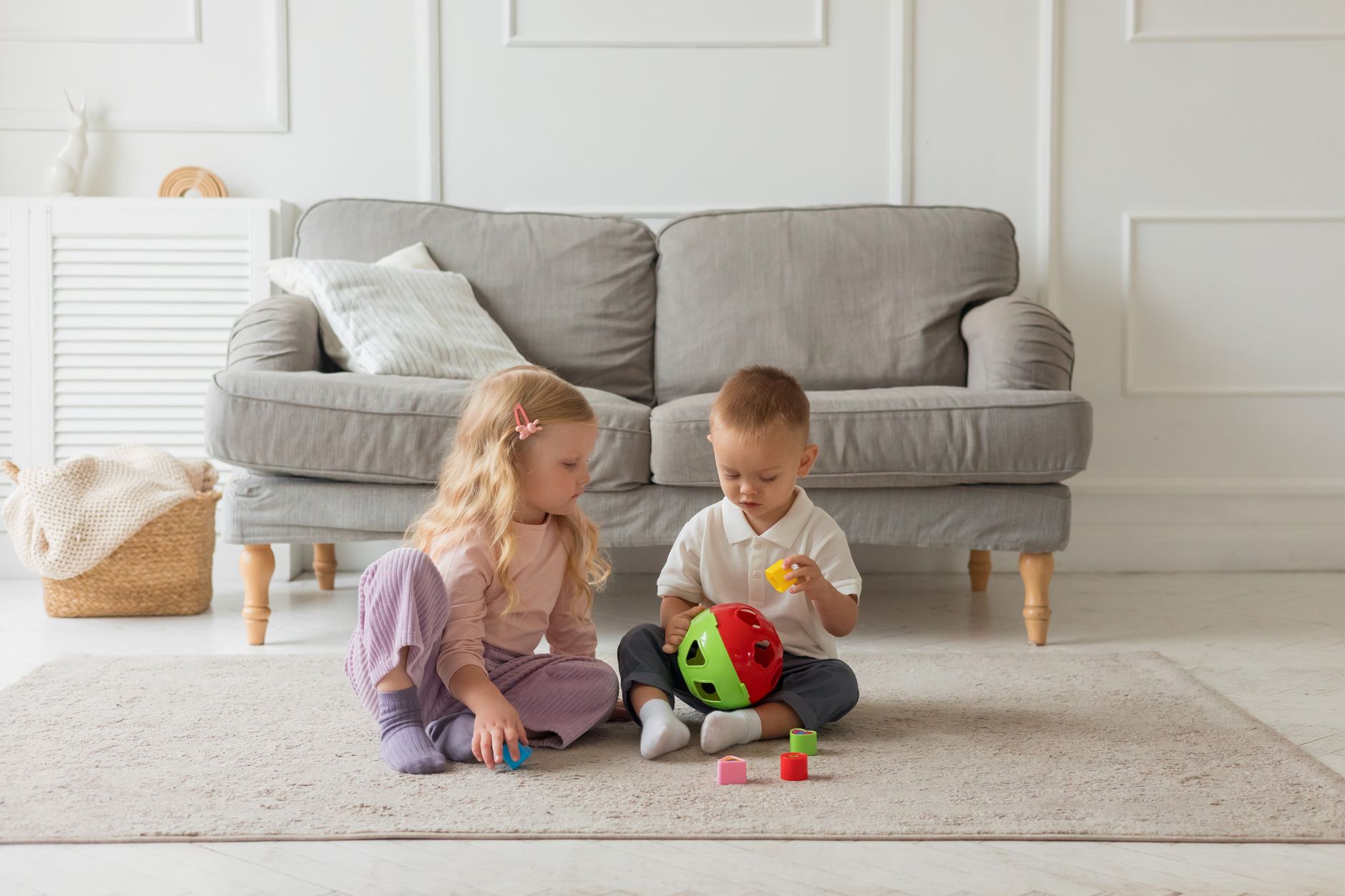
Your role depends on the children's ages, familiarity, and what kind of supervision is appropriate in your home. But hosting does not necessarily mean joining every game.
After welcoming the guest and helping everyone settle in, you can often move into the background while remaining available.
If the children disagree, give them a moment to work through ordinary minor conflicts before jumping in, when appropriate. If they need help, you can assist without deciding that the playdate has gone badly.
Two children spending time together will not necessarily be cheerful and perfectly synchronized for every minute.
Do not panic about boredom
There may be a moment when someone says, “I'm bored.”
That is not an emergency.
You can point toward the available options: “You could go outside, use the building set, draw, or think of something else together.”
You do not need to produce a new attraction every time the energy dips. Part of free play is figuring out what to do next.
If the children truly cannot find their rhythm, your one prepared activity can help reset things.
Keep the end time real
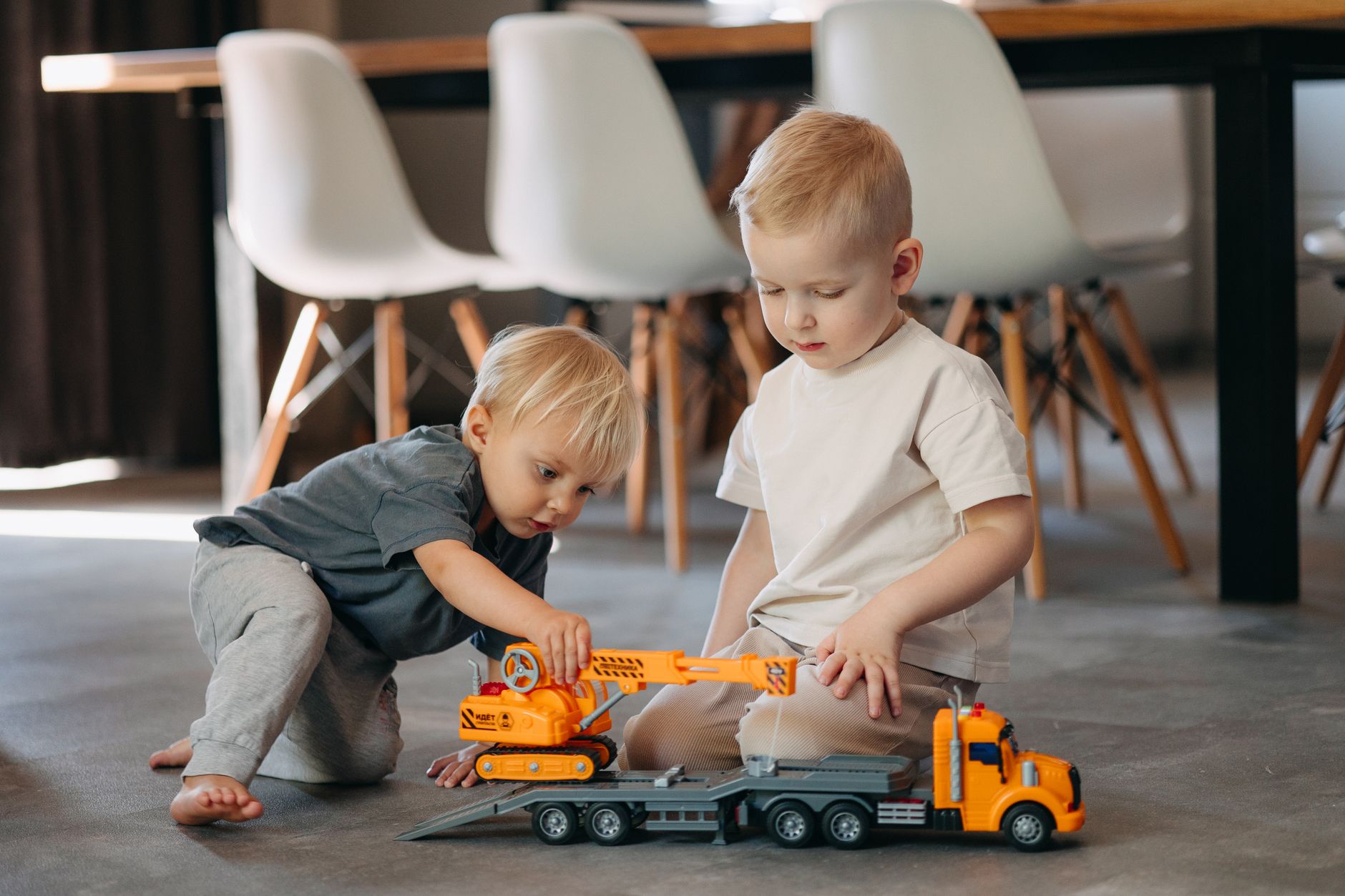
An agreed end time helps everyone.
Even a good playdate can become harder when children are tired or have simply had enough of each other. Ending while things are still mostly going well can be preferable to stretching the visit because nobody wants to seem impolite.
As pickup approaches, give the children a simple warning: “Ten more minutes, then we'll clean up.”
You can involve both children in a quick, reasonable cleanup without expecting the room to be restored to museum condition.
When the other adult arrives, there is no need for a lengthy performance review. Handle anything important that genuinely needs communicating, say goodbye, and let the visit end.
If the playdate is imperfect, it can still be successful
Maybe the children ignore the activity you prepared. Maybe one of them barely touches the snack. Maybe there is an argument over a toy. Maybe they spend half the visit doing something you never would have predicted.
None of that means you hosted badly.
A first playdate is partly a chance for the children—and the adults—to learn what works. You may discover that two hours is too long, that the children prefer being outdoors, or that putting certain toys away beforehand makes everything easier.
Use that information next time.
Your house does not need to become an entertainment venue
The most useful preparation is modest:
Confirm the basics with the other family. Put away special possessions. Make one easy activity available. Have a simple snack. Pick a reasonable end time.
Then let the children have their playdate.
They do not need a cruise director, and you do not need to prove anything through your hosting. A welcoming home, sensible preparation, and an available adult are already plenty.