
Kids
Helping Kids Take Over Household Tasks, One Step at a Time
A practical, flexible way to teach household tasks and gradually hand over responsibility without perfectionism.
Household responsibility is not something children suddenly have one day. It is a skill they build through repetition: watching, helping, doing part of a job, and eventually managing it with less support. That makes a gradual handoff more useful than a rigid age chart.
Think in levels of independence
Start by doing a task together. Then give your child one clear part. Next, let them do the whole task with a check-in. Eventually, when the routine is familiar, make it theirs. A child can be at different levels for different jobs, and that is normal.
Teach before you hand over

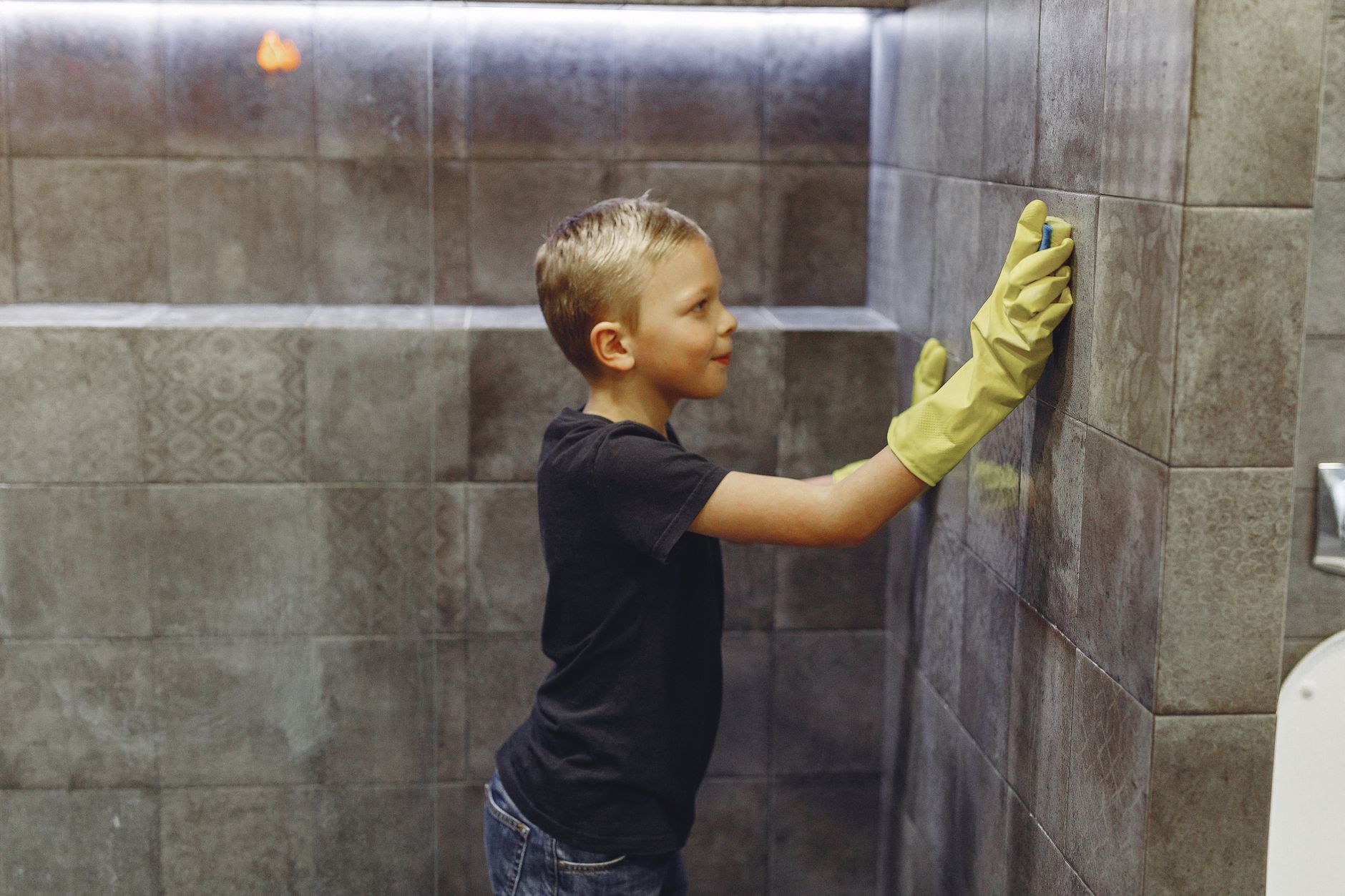
A direction such as “clean the bathroom” contains many hidden decisions. Show the task slowly first: where supplies live, what gets cleaned, what should not be used on a surface, and where everything goes afterward. Then practice side by side.
For unloading the dishwasher, you might say: “Cups go here, plates go there, and anything you do not recognize can stay on the counter. When both racks are empty, close the dishwasher.”
For tasks involving heat, sharp tools, chemicals, heavy objects, pets, or other hazards, keep adult supervision appropriate to the child and task. Independence does not have to mean unsupervised.
Define a realistic done
Many chore conflicts are definition conflicts. Instead of “clean your room,” try: “Dirty clothes in the hamper, books on the shelf, dishes in the kitchen, and a clear path across the floor.”
A useful standard is one a child can recognize without needing you to interpret it every time. Separate functional completion from adult-level perfection. A towel folded awkwardly can still fit in the cupboard. If you silently redo every acceptable attempt, the job never quite becomes theirs.
Add responsibility in small pieces
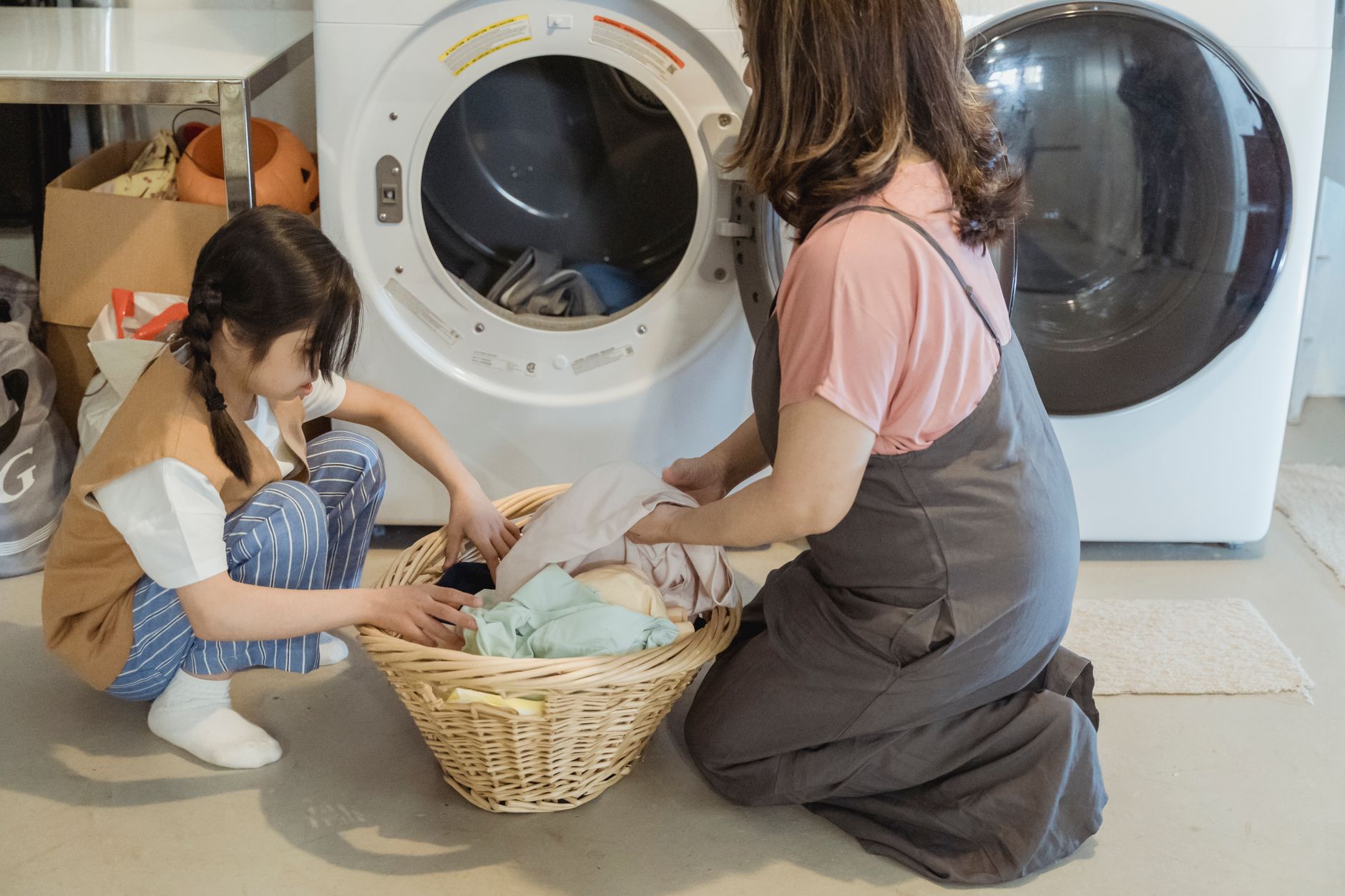
Laundry might progress from putting dirty clothes in the hamper, to bringing the hamper to the laundry area, to sorting, loading, folding, and eventually managing more of the routine. You do not need to hand over every step at once.
Predictable cues also help. “After dinner, your plate goes to the kitchen” is easier to remember than a chore that happens at an unpredictable moment. A short checklist or labeled storage can move some of the remembering out of the parent’s voice.
Step back without disappearing
When the task is being done safely and to the agreed standard, allow harmless differences in method. Try: “You’ve got this. Ask me if you get stuck.”
Step back in when there is a safety issue, when the child genuinely does not know the next step, or when repeated difficulty suggests the task needs to be smaller. You can say: “I think I handed over too much at once. Let’s do the first step together, then you take it from there.”
Keep feedback about the task rather than the child. Instead of “You’re careless,” try: “There are still crumbs on the table. The job is finished when the surface is clear.”
Growing independence is rarely a straight line. The long-term aim is not perfect chores. It is gradually learning to notice what needs doing, understand the steps, recover from mistakes, and contribute to shared life: “I’ll show you,” then “we’ll do it together,” then “you try,” and eventually, “you’ve got it.”