

Toddlers
A Gentler Halloween for Preschoolers Who Prefer Calm Fun
Halloween can stay playful without loud parties, scary decorations, or a long night out. Build the celebration around your preschooler’s comfort and curiosity.
Halloween does not have to be loud, dark, crowded, or scary to feel special. For a preschooler who hangs back from masks, booming decorations, busy sidewalks, or unfamiliar costumes, a smaller celebration can be just as memorable.
The goal is not to convince your child to tolerate the “full” version of Halloween. It is to build a version they can actually enjoy.
Start with the parts your child already likes
Before planning a party or trick-or-treating route, think about what your child finds appealing.
Maybe it is pumpkins, orange lights, dressing up, handing out treats, making crafts, or simply doing something different with the family. Start there.
You can offer two or three simple choices:
- “Do you want to decorate a pumpkin or make paper bats?”
- “Would you rather wear your costume in the afternoon or after dinner?”
- “Should we visit two houses or stay home and hand out treats?”
Small choices give your child some ownership without asking them to design the whole day.
Keep decorations friendly and predictable
A preschooler does not need fake cobwebs, jump scares, or spooky sound effects to understand that it is Halloween.
Try decorations that feel festive but easy to read:
- smiling pumpkins
- paper ghosts with friendly faces
- orange and purple paper chains
- window drawings
- battery-powered lights
- a few decorations your child helps place
If your neighborhood has intense decorations, you can also preview them from a distance during daylight. There is no need to walk closer if your child would rather not.
Make daytime the main event
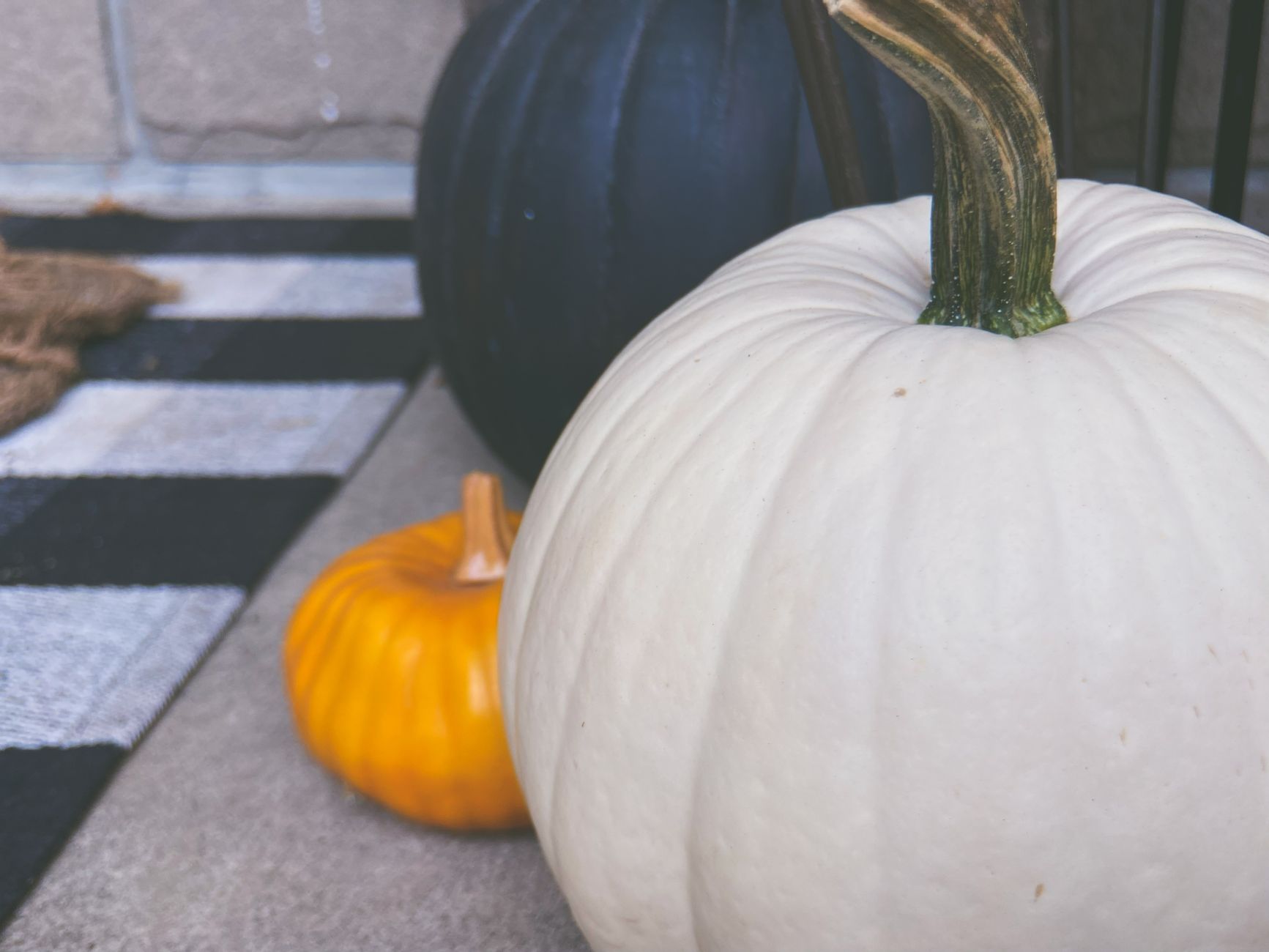
Halloween fun does not have to wait until dark.
A daytime plan can include:
- decorating a pumpkin
- having a themed snack
- doing a simple treasure hunt
- wearing a costume for a short walk
- visiting one familiar neighbor
- watching leaves blow around while looking for Halloween decorations
If the day has already felt full, evening plans can stay optional.
That can be especially useful with young children because it removes the sense that everything depends on one late-night outing.
Choose comfort before costume perfection
A costume is only fun if your child can move, sit, see, and breathe comfortably in it.
A familiar shirt plus a cape, animal ears, a soft hat, or a favorite dress-up outfit can be enough. If a complete costume feels scratchy or complicated, let the simpler version win.
You can also bring ordinary clothes in a bag or stroller. Changing out of a costume is not “giving up.” It is simply changing clothes.
If face paint, masks, hats, or gloves become irritating, they can come off without ending the celebration.
Decide the exit plan before you leave
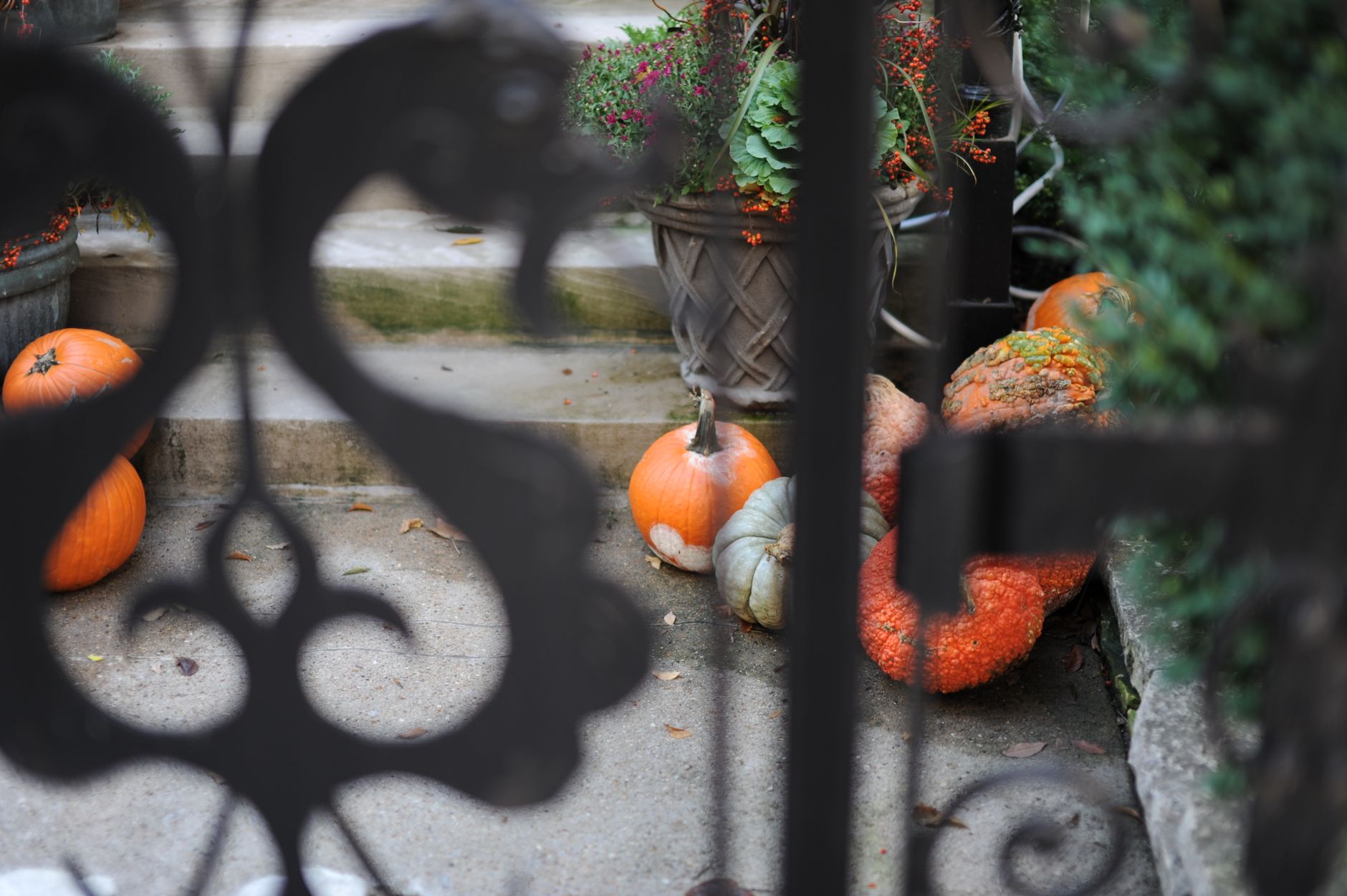
A simple exit plan removes a lot of pressure.
Before going out, decide what “enough” could look like. Maybe you will visit three houses, walk one block, or stay for twenty minutes at a gathering. You can always continue if everyone is having fun.
Also decide how your child can signal that they are done. A clear phrase such as “I want to go home” is enough. They do not need to prove that they are distressed enough to leave.
Bring one familiar comfort item if it makes sense: a favorite small toy, a stroller, a water bottle, or a familiar snack.
Use language that keeps the door open
When a child hesitates, it can be tempting to say, “There’s nothing to be scared of,” or “Just try it.”
A calmer response leaves room for their reaction without making it bigger.
For example:
“That looks like a lot right now. We can stay here and watch, or we can go somewhere quieter. You don’t have to get closer.”
Or:
“You can keep your costume on, take part of it off, or change clothes. We’re here to have fun, not to finish a costume.”
The message is simple: participation is available, but it is not a test.
Have a home-base version ready
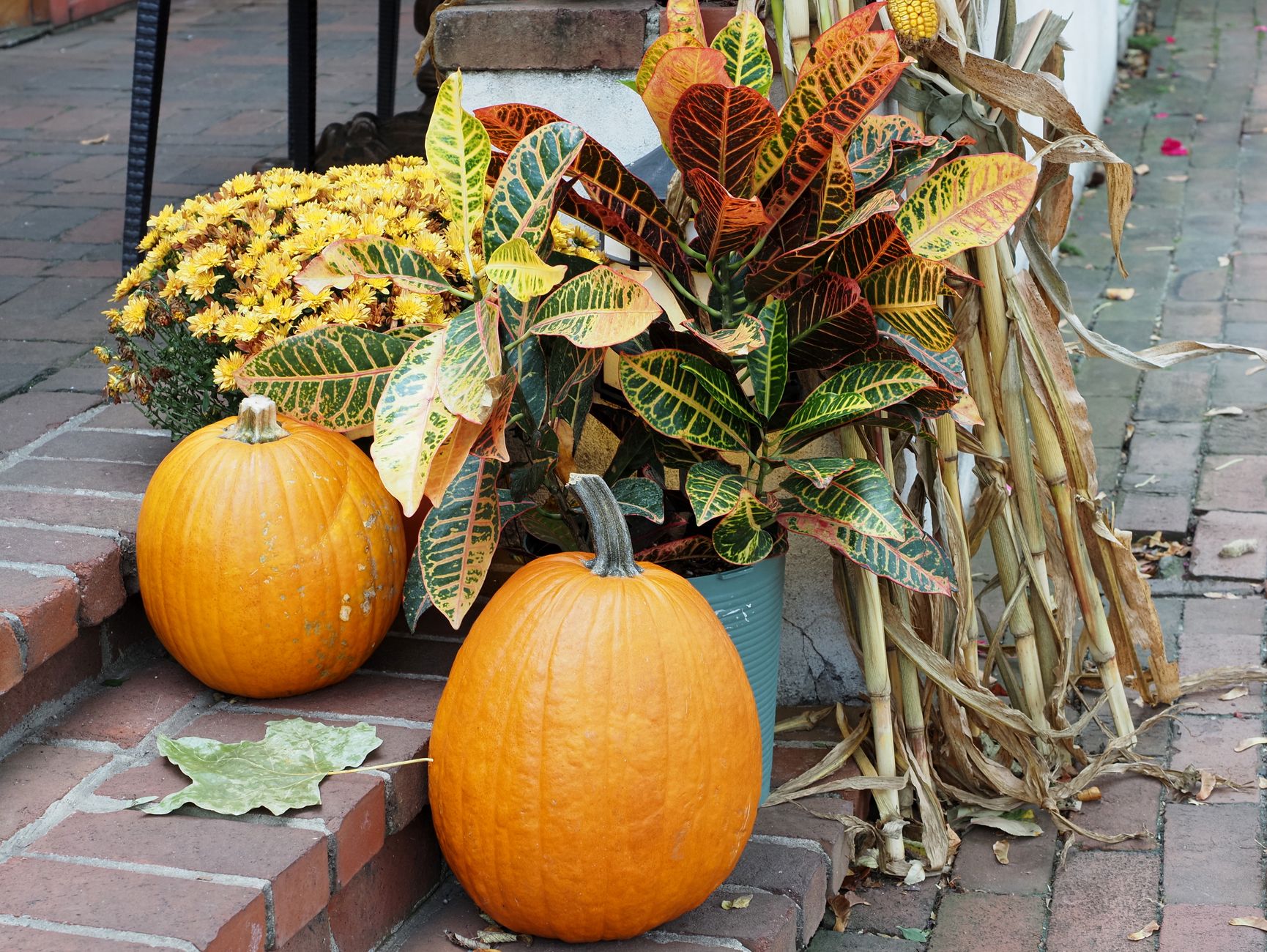
Sometimes the best Halloween plan is the one you can switch to easily.
If trick-or-treating becomes too much, home can still feel festive. You might:
- let your child answer the door with you
- hide a few treats around one room
- make popcorn and read a Halloween book
- have a flashlight dance party
- put on pajamas and admire the pumpkins from the window
A backup plan works best when it is presented as another good option rather than a consolation prize.
Let the good part be enough
Young children can enjoy ten minutes of something and be completely finished with it. That does not mean the activity failed.
If your child wears a costume for five minutes, decorates half a pumpkin, visits one house, and then wants pajamas, you still had Halloween.
The most useful question at the end of the night is not “Did we do everything?” It is “Did our child get some room to enjoy this in their own way?”
A calm, child-led Halloween may look smaller from the outside. From a preschooler’s point of view, it can be exactly the right size.