

Kids
A Five-Step Lost-Item Routine Children Can Learn Without Shame
Teach children to name, retrace, check, ask, and report back when ordinary school belongings go missing.
A Five-Step Lost-Item Routine Children Can Learn Without Shame
"My water bottle is gone." "I can't find my sweater." "Where's my homework folder?"
Losing ordinary belongings can be frustrating, but a missing item is not proof that a child is lazy or careless. Children are learning to track objects while moving between classrooms, lunch, recess, and home. Instead of asking "Why do you always forget?", offer a short sequence they can practice.
The routine is: Name it. Retrace. Check. Ask. Report back. A child can lead it with as much adult support as they need.
1. Pause and name the item
Help the child slow down long enough to describe what's missing: "My red zip-up sweater." "The bottle with the yellow lid."
Ask when they last remember seeing or using it. If they are upset, begin with understanding: "It's frustrating not to know where it is. Let's think about where you used it last."
A specific description helps focus the search and makes it easier to ask someone for help. If the child cannot recall the last sighting, don't keep testing their memory. Move to the usual places.
2. Retrace the last few places

Invite the child to think backward from the most recent activity. Maybe the sweater was on at recess, hung on a classroom hook, or left near the lunch area.
Ask: "What are two places you had it today?" Or, "Where did you go after lunch?"
A younger child might need you to name a couple of locations and let them choose which to check first. An older child may be able to retrace the route independently.
Only check places that are safe and permitted. Don't send a child alone into off-limits parts of a school or back across busy spaces to search.
3. Check the most likely school spots
Start with likely, accessible locations rather than searching everywhere. Depending on the school, useful places may include:
- A cubby, coat hook, or classroom shelf
- The area near a desk or lunch table
- A changing area or sports-bag spot
- The school's designated lost-and-found
Encourage a real look, not just a quick glance from the doorway. A jacket could be behind a bag or under another coat. The child should not open someone else's belongings or move into areas where they need supervision.
If they do not find the item, that's okay. The next step is part of the plan.
4. Ask one appropriate adult
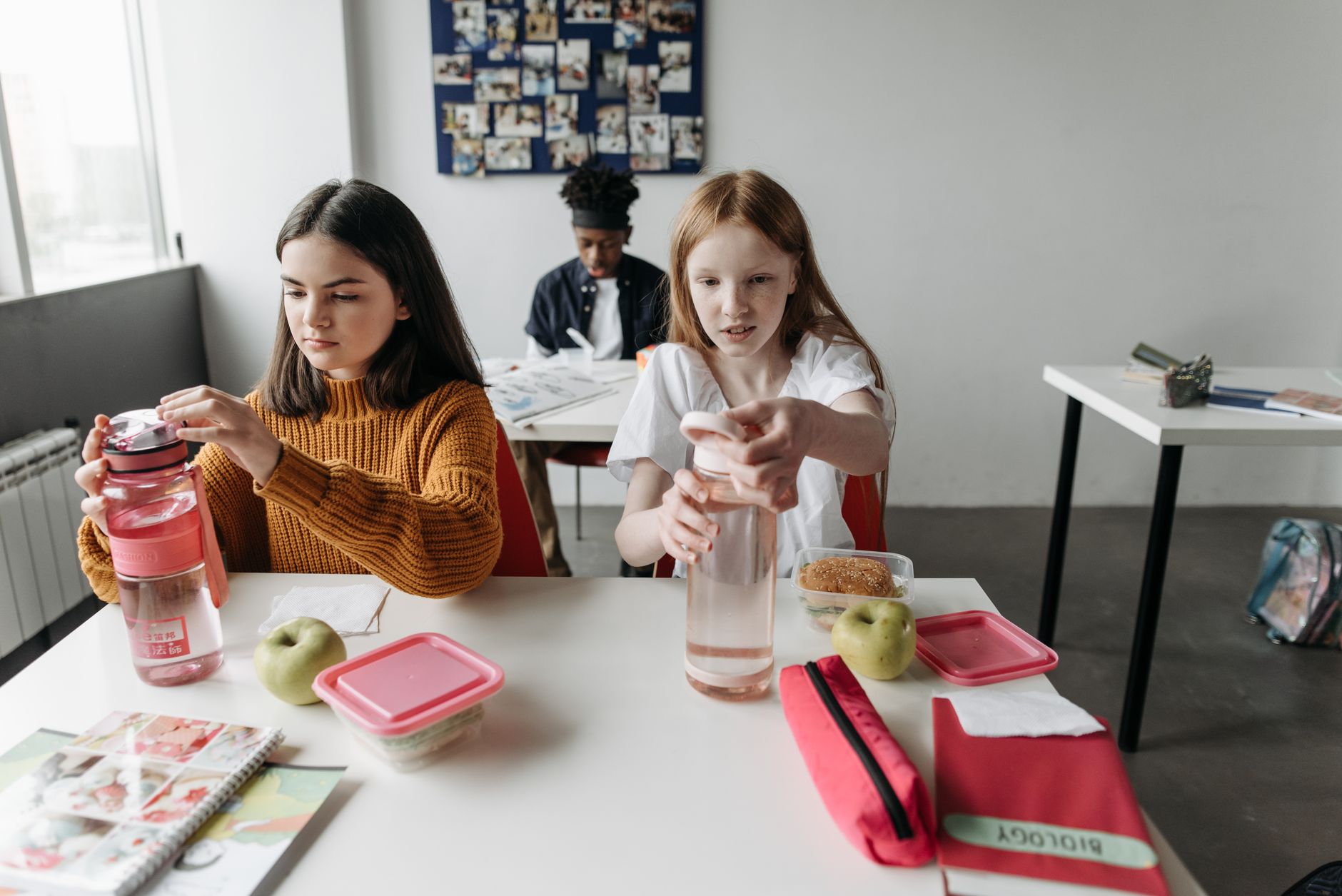
A teacher, coach, classroom aide, or other responsible adult may know where missing things are collected. Help your child practice a simple request:
"Excuse me, I can't find my blue lunch container. I checked my cubby and the lunch area. Is there somewhere else I should look?"
Children who are shy or young can say the sentence with you, point to a picture, or give a shorter version. Asking for help isn't failure; it's a skill.
Choose one appropriate adult rather than expecting the child to question everyone nearby. If that adult suggests another time or location, note it for the next step.
5. Tell a parent what they already tried
A useful report describes the search, not only the problem:
"I couldn't find my sweater. I checked the hook and lost-and-found, and I asked my teacher. She said we can look again tomorrow."
Now a parent can decide whether to send a note, look at home, or wait until the next school day. If the item is important for immediate warmth, travel, medication, or another essential need, an adult should step in promptly. Completing every search step is never more important than safety.
Practice when nothing is missing
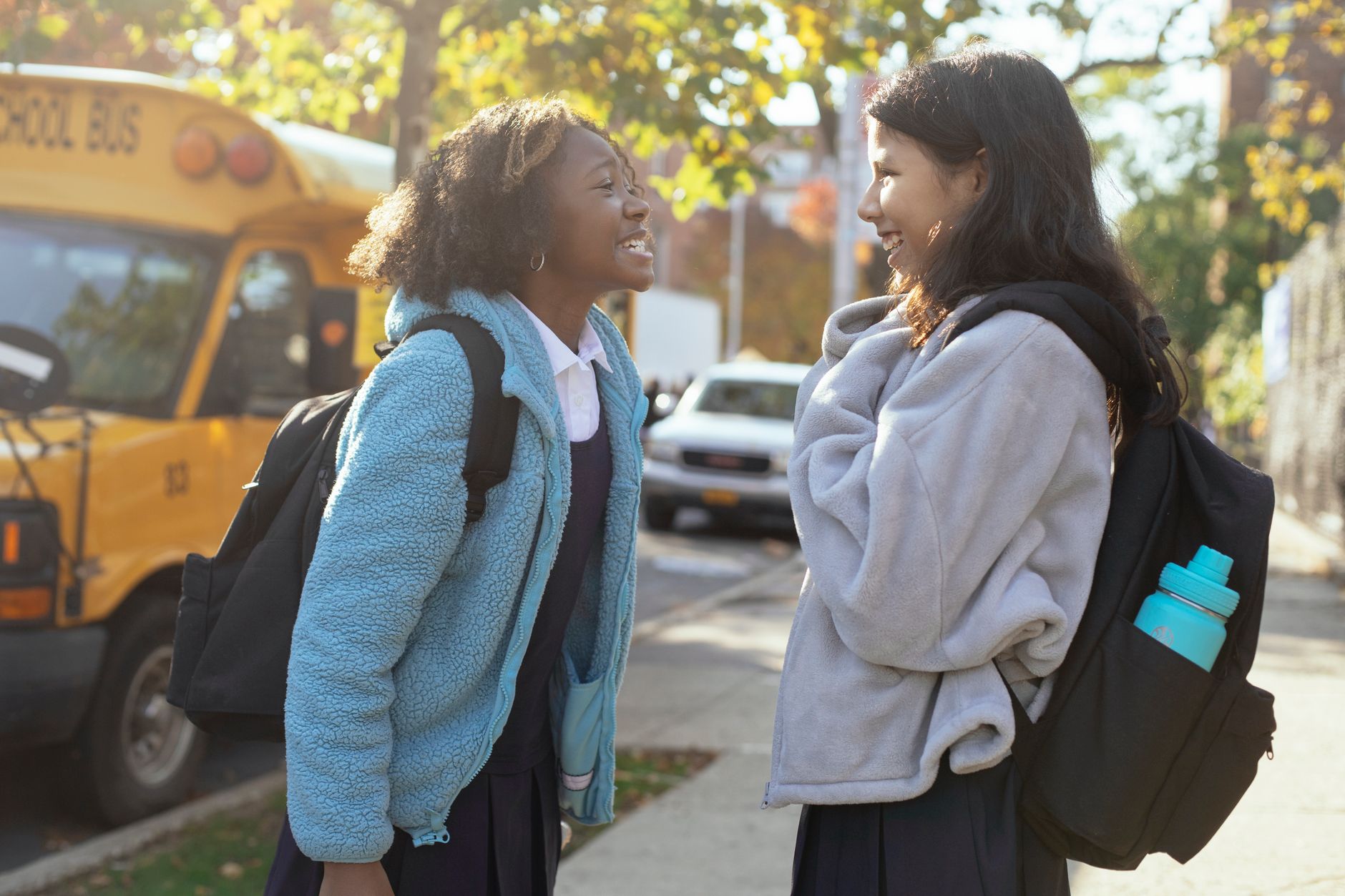
Try a playful rehearsal with a pencil case or a pretend lost book. Ask your child to guide you through the steps. Put the words on a card or draw a picture for each action.
Name it → Retrace → Check → Ask → Report back
Children learn with repetition. At first, walk with them and prompt each part. Next time, try "What's your next step?" Later, simply point to the card.
The aim is to gradually hand over the thinking, not to withhold help. If a child gets stuck, offer a small hint: "Can we think of two likely spots together?"
What if it stays lost?
Sometimes a thoughtful search doesn't recover the item. Notice the useful action anyway: "You checked the likely places and asked your teacher. That's a good way to look for something."
Agree on one next step, such as checking again the following day. Consider simple prevention supports, too: a labeled water bottle, a regular pocket, or a quick look around before leaving. These aren't punishments for forgetfulness; they're practical aids.
Avoid "You lose everything" or "You should have remembered." Those phrases don't teach a child where to start. A calmer message is: "Things get misplaced. We have a plan."
The win isn't recovering every object. It's giving a child a repeatable, respectful way to respond when something goes missing—and knowing an adult will still help when needed.