

Kids
A Family Game Night You Can Actually Repeat
Begin a low-pressure family game night with one familiar game, short rounds, flexible timing, clear turn-taking, and options for mixed ages or reluctant players.
A family game night can sound like one more thing to plan: a new game to learn, a table to clear, and players with very different attention spans. But the point is not to stage a flawless evening. It is to find a small shared activity that people might want to repeat.
One familiar game, a flexible start, and a clear ending can be enough.
Choose something you already know
For the first night, pick one game the household can begin without a long explanation. A basic card game, matching game, dice game, or simple guessing game can work well.
Look for three qualities: setup is quick, turns are understandable, and a round does not take too long. If the youngest child needs help, choose something that can be played with a partner.
There is no need to buy a new box. You can play a memory game with ordinary cards, take turns drawing objects for others to guess, invent a category guessing game, or make a simple hunt for everyday items around one room.
A question like "Which game could we start in five minutes?" may be more useful than "Which is everybody's favorite?"
Use a start window, not a race
Instead of announcing that play begins at exactly 7:00, try "Sometime after dinner and before the bedtime routine, we'll play a couple of rounds."
You could make the start familiar by putting the game in the same place, clearing one corner of the table, and asking everyone to join when they are ready. Keep setup simple enough that one adult does not have to prepare the evening in advance.
If dinner runs late, a child is exhausted, or the evening becomes difficult, it is okay to play one round or save the activity for another day. A routine that adapts to real life is easier to keep.
Agree on a short session
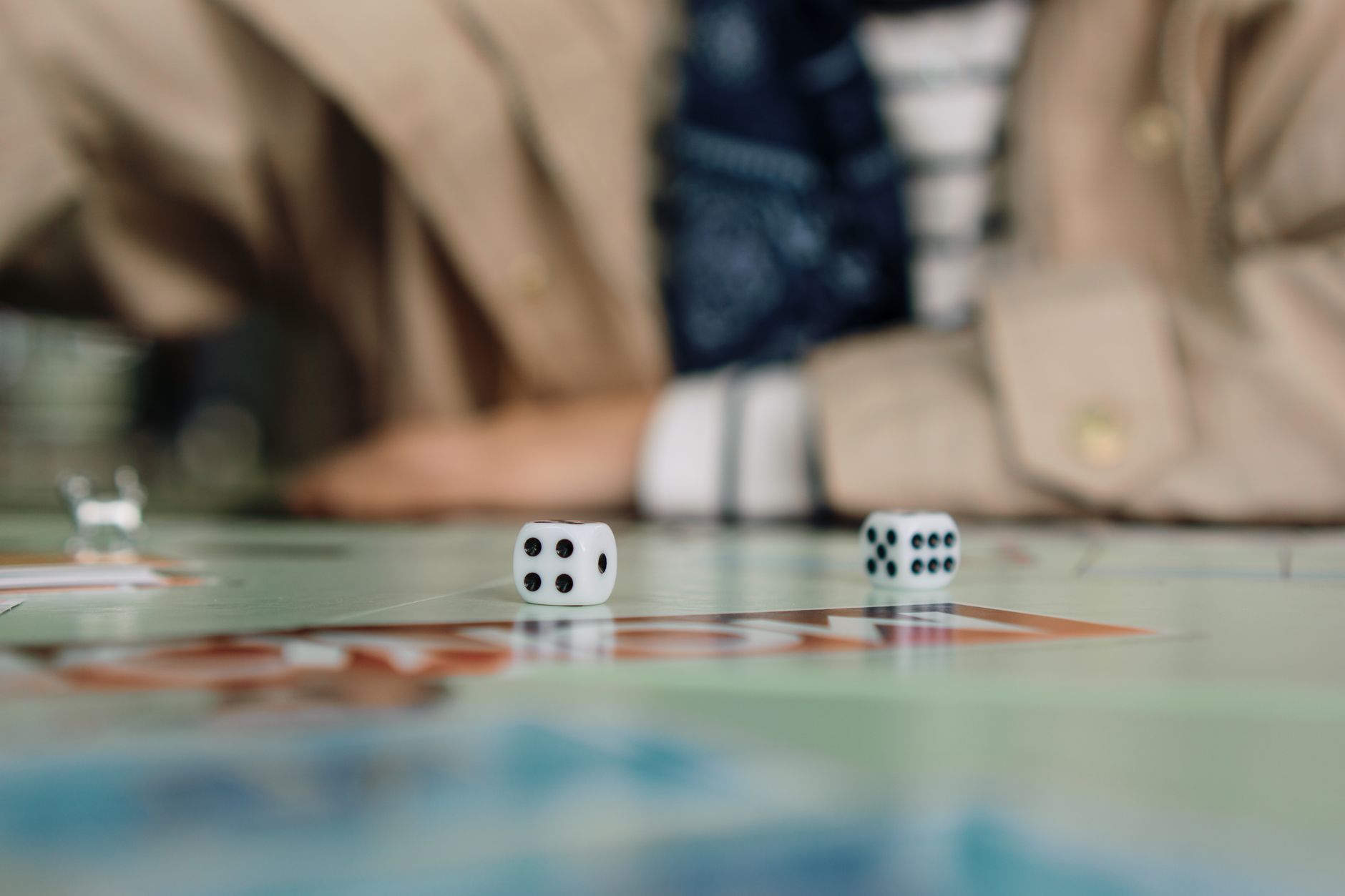
Start with fifteen to twenty-five minutes, or another length that suits the youngest player. Make the stopping point clear before you begin: "Two rounds tonight, then we put everything away."
That protects the attention of younger players and prevents the activity from taking over the evening. It also reassures anyone who is unsure whether they want to join.
Give a gentle warning when the final round begins. If everyone is still enthusiastic, you can agree together to add one more. But you do not have to. Ending while people are happy to continue can be a perfectly good result.
Make the next turn obvious
Arguments often happen when nobody is certain whose turn comes next. Give the order a visible pattern: around the table clockwise, a small object passed to the current player, or a short list of names.
Explain the rules as the game unfolds rather than delivering a long speech first. Demonstrate one turn and then let someone try.
You might say, "First we go around the circle. You're after me. While you wait, you can help check which cards have already been used."
If someone makes a mistake, explain it briefly and continue. There is no need to turn every mix-up into a lesson.
Let children help set out pieces, shuffle, roll, distribute cards, or pack away afterward. Taking part in the process can be enjoyable even when the rules are still new.
Adjust fairly for mixed ages
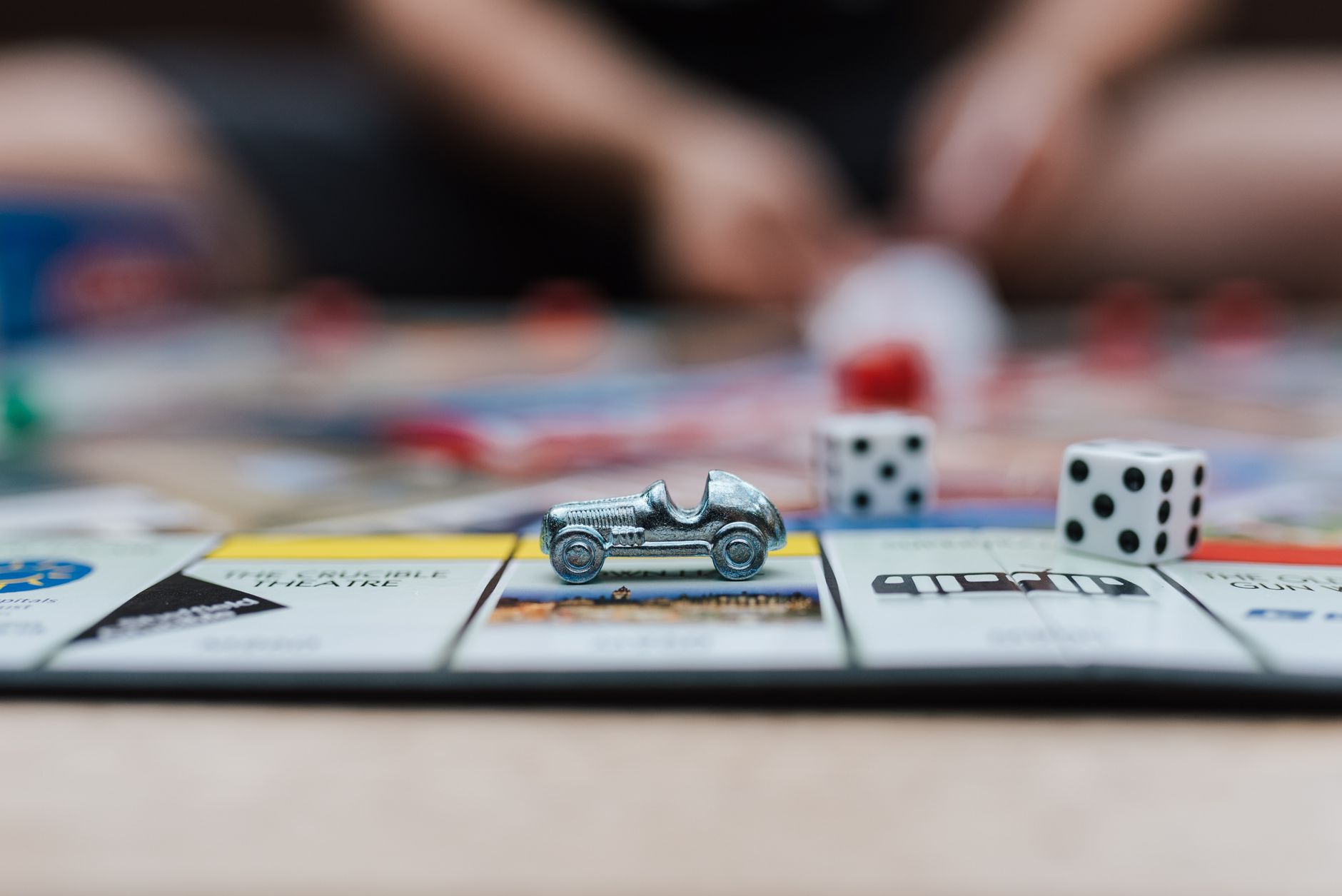
An older child may want a challenge while a younger child is still learning to take turns. You do not need to pretend they have the same skills.
Try giving the youngest player a teammate, using fewer cards for their hand, or choosing a cooperative activity. An older child might enjoy explaining the rules or keeping score, but do not automatically assign them responsibility for everyone else's fun.
An adult can model losing a round, offering congratulations, and moving on. If winning and losing becomes too intense, switch to a shared target: solve a set number of clues, build something together, or complete a series of team rounds.
Be honest when the rules are adapted: "We're giving the younger players help with remembering the cards, so everyone can take part."
Give reluctant people an easy doorway
Someone may not want to play. They may feel tired, dislike the chosen game, or want a quieter evening. Forced enthusiasm rarely feels like togetherness.
Offer a small choice: "You can play one round, help deal the cards, watch, or sit this one out." Let their answer stand.
If they want a different game, acknowledge it without restarting the selection mid-evening: "We're playing this one tonight. You can suggest the drawing game for next time."
A family tradition does not require everyone to take part identically every week.
Finish with a predictable ending
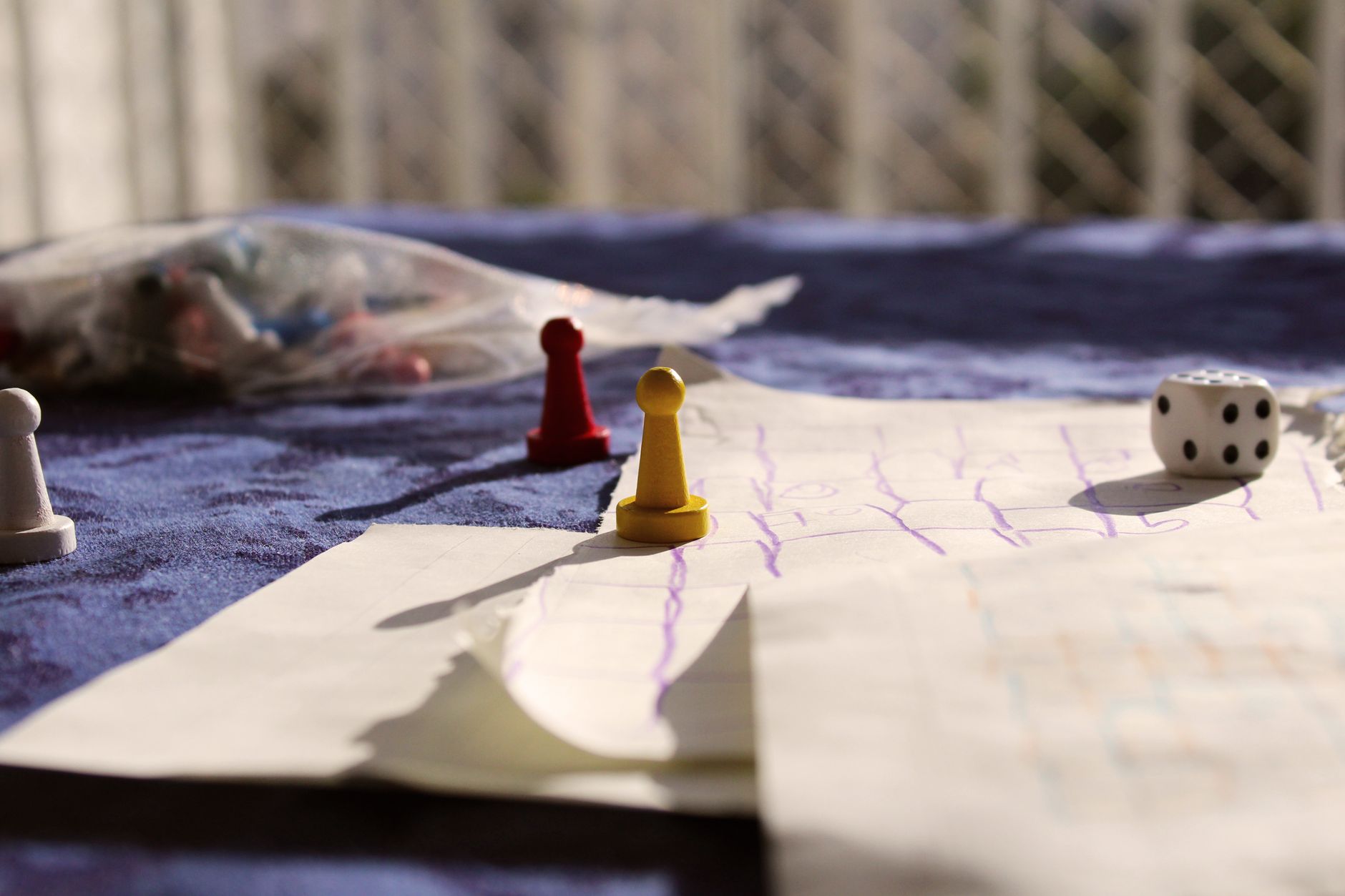
At the end of the agreed round, put the pieces away together. Ask one short question if it feels useful: "Would we play this again?" or "Should we change one thing next time?"
Avoid scoring the evening by how well everyone behaved. If someone was upset or play ended early, treat it as useful information. You might shorten the next session, simplify the game, or start at a different point in the evening.
You can even keep a small stack of familiar no-purchase games ready so the family does not have to make a new decision each time.
A repeatable plan beats a perfect night
Here is the whole plan: choose one known game, begin within a loose window, play for a short agreed time, make turns visible, and stop when promised.
Some nights will be lively, some quiet, and some will end after a single round. The tradition grows from knowing that joining is possible and the experience will be manageable, not from making every game night special.