

Kids
An Easy Family Game Night Where Kids Have Real Jobs
Turn an ordinary evening into a repeatable game night with a game chooser, a setup helper, a simple rule for disagreements, and shared cleanup.
A family game night should not require one adult to choose the game, set up every piece, settle every dispute, and clear the table afterward. Children can do meaningful parts of the work too. A few shared roles make the evening easier to repeat, even when everyone is tired and there is only a little time.
The goal is not to create a formal event. It is to make an ordinary game feel like something the family starts, plays, and finishes together.
Begin with four simple agreements
1. One person chooses the game
Give one child the chooser role. They pick from a short selection of games suited to the available time and players. Make the choice real, rather than saying "your choice" and rejecting everything.
Rotate the role next time. If a game is not comfortable or suitable for someone, build a small mutually acceptable shortlist first. Younger children can choose between two boxes. Older children can check the player count or suggest a familiar favorite.
The chooser does not get a guarantee that everyone will love the choice. Their job is to pick fairly from the shared options.
2. Another person leads setup
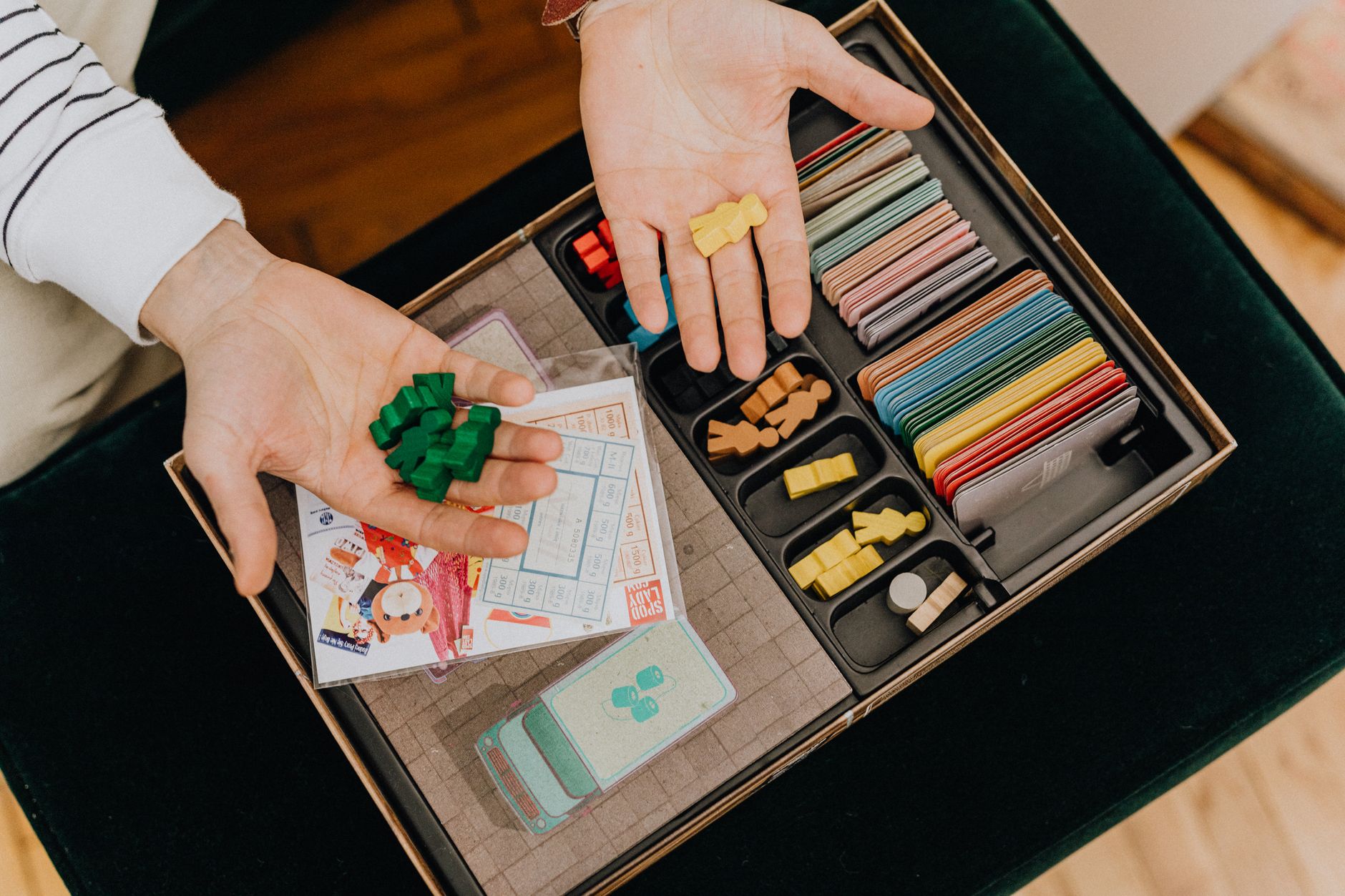
The setup lead opens the box, finds the pieces, clears enough space, and asks others for help. They are responsible for guiding setup, not doing every task alone.
A small child could place playing pieces or shuffle chunky cards. An older child might follow the setup diagram or teach everyone where to put their starting pieces. Adults can help without taking over.
If a piece is missing, it is not the setup lead's failure. Decide whether a simple substitute works or choose a different game. The point is an achievable role, not a performance test.
3. Agree how rules questions will work
Every family eventually hears, "Wait, that's not how you play!" Before the first turn, decide what to do.
A light agreement might be: pause; let each person explain the question briefly; check the included instructions together; and, if the rule is still unclear, agree on a temporary house rule for this round.
Someone may volunteer as rule reader, but that does not make them the unquestioned referee. A timer or a quick group decision can prevent a tiny uncertainty from taking over the evening.
Make a difference between an agreed house rule and the game's written rules. Both can be fine for casual play, as long as everyone knows which you are using.
4. Make cleanup part of the finish

The final round ends when the pieces are back in the box, not when the winner is announced.
Give everyone one visible cleanup job: collect cards, count tokens, fold the board, return boxes, or wipe the table. The chooser also helps. A three-minute shared reset is a small way to avoid leaving one person with all the work.
A repeatable evening plan
Try an easy rhythm: two minutes to choose, three to set up, fifteen to twenty-five to play, and three to clean up. These are flexible guideposts, not deadlines.
With only ten free minutes, choose a quick game or a single round. If everyone is enjoying it and the evening allows, play longer by agreement. A brief game night counts just as much as an elaborate one.
You can reduce friction by keeping two or three reliable games in one accessible place. Store the instructions and pieces together, and avoid games that require complicated setup on a particularly busy evening.
It also helps to announce the ending before you begin: "We have time for one round before bedtime." That makes the cleanup feel like a normal part of the plan rather than a sudden interruption.
Give children real responsibility without pressure
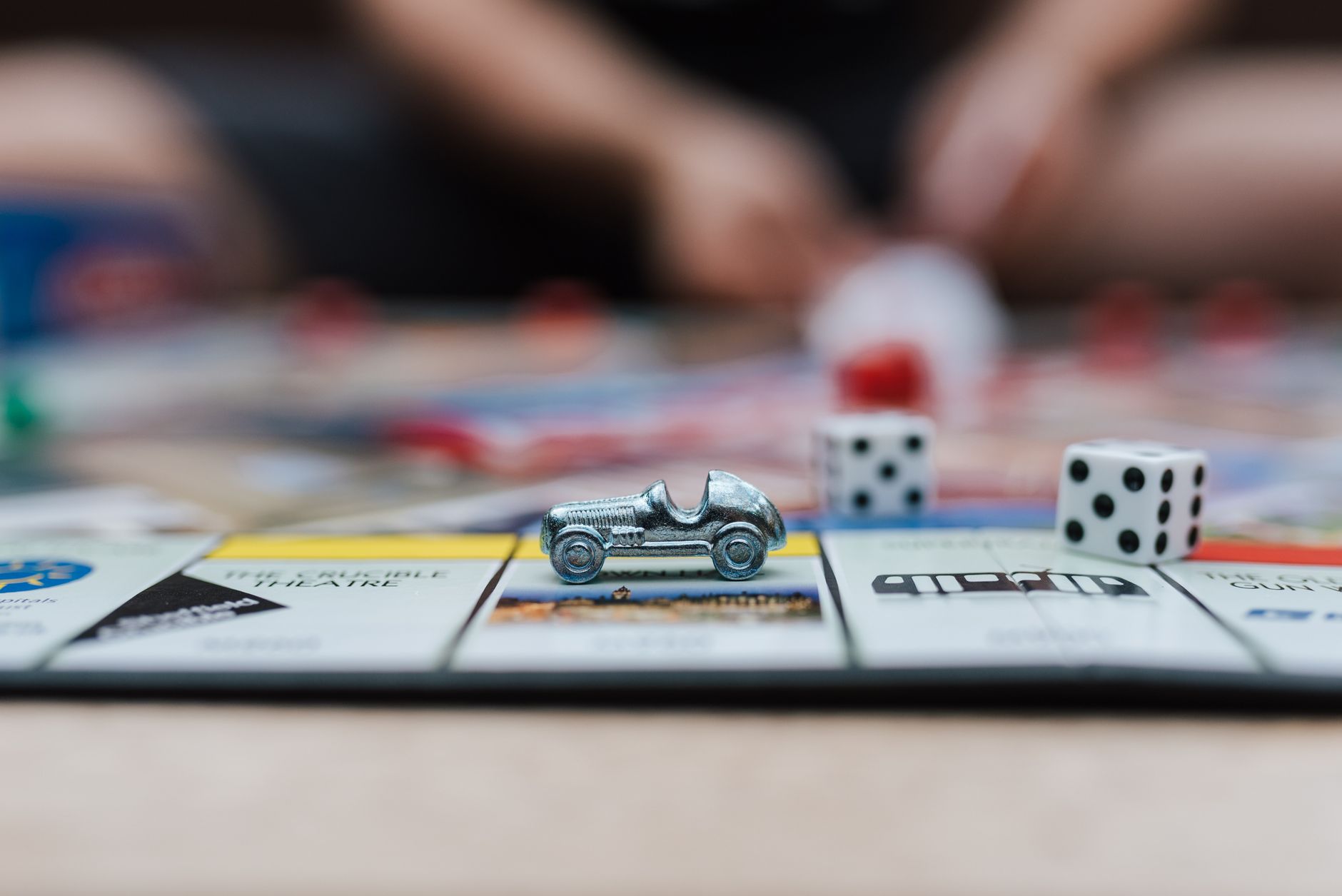
A job should matter and fit the child. One person may like the authority of choosing. Another may prefer the quieter task of sorting cards. A tween could lead setup or explain a rule. A teen could teach a new game or keep track of the agreed stopping point.
Ask what people want to try, and allow job swaps. The roles can rotate across several nights without turning into labels such as "the bossy one" or "the organized one."
Adults have roles too. Model a calm response to losing, follow the same rules as everyone else, and accept children's reasonable decisions when it is their turn to lead.
If someone needs to step away, let the group decide whether to pause, adapt the game, or finish early. A game night should not require everyone to push through exhaustion.
When competition gets heated
Strong feelings can show up around winning, waiting, and misunderstandings. A short reminder can help: "It's okay to be disappointed, and we still speak respectfully."
If an argument begins, pause the play rather than talking over one another. Restate the question, give people a moment to answer, and use the rule process you chose at the start.
You do not need a long lecture afterward. Sometimes a snack, a cooperative game, or ending the round gracefully is enough. Saying "This is getting frustrating; let's try again another evening" can be a reasonable choice.
A child who dislikes competition may enjoy a team challenge or a simpler activity. The shared experience matters more than forcing everyone into the same style of play.
Finish with a tiny reflection
As you close the box, ask one question: "What should we keep the same next time?" The answer might be "more card games," "shorter rounds," or "I want to be setup lead next week."
Then stop. No need to evaluate the whole event or insist it was magical.
The repeatable formula is simple: one person chooses, another leads setup, everyone shares a way to handle rules, and the whole group cleans up. That is enough structure to make an ordinary evening feel like a shared project.