

Kids
How to Choose a Kids' Costume Without Endless Negotiations
Set practical and budget limits, offer a manageable shortlist, and make a costume decision that respects your child's voice without reopening it every day.
A costume can start as a fun conversation and become a daily negotiation. One child wants to be a dragon, then a superhero, then the dragon again. Meanwhile, someone is thinking about cost, the weather, comfort, and whether the whole thing can be ready in time.
You do not need the most impressive costume. You need a decision process that makes room for your child's ideas and for the practical limits of family life.
Decide the limits first
Before showing pictures or shopping, work out what your household can manage. Keep the boundaries concrete.
- Comfort: Your child needs to be able to move, sit, and manage ordinary activities in the outfit. Think about shoes, weather layers, and whether any part feels scratchy or awkward.
- Budget: Set a maximum you are comfortable with, including accessories. Using clothes you own or borrowing pieces are genuine options, not second-best choices.
- Time: Consider when the event is and how much crafting, looking, or ordering is realistic.
- Setting: Check any relevant school or event expectations before promising a particular outfit.
Explain your role kindly: "You get to help choose the costume. I'll help make sure it's comfortable, fits our budget, and is something we can get ready."
A clear limit is easier to accept before a child has mentally committed to a complicated idea.
Narrow the choice to two or three possibilities
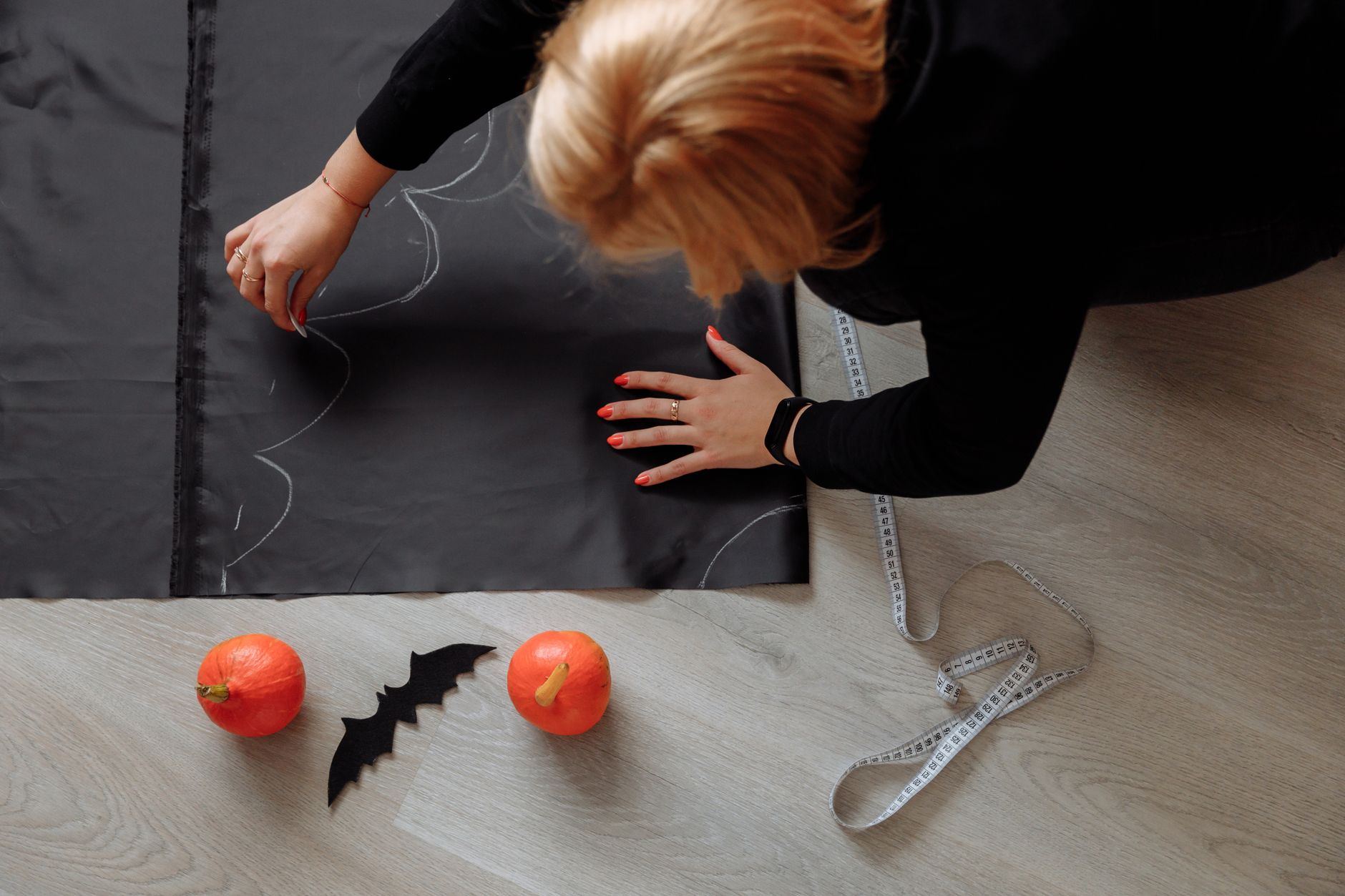
Unlimited searching can create unlimited second thoughts. Build a small shortlist together, with only options that already meet the limits.
For example, you might offer a familiar character created with everyday clothes and one recognizable accessory, an animal assembled from a plain outfit and handmade ears, and a costume your child can borrow or reuse.
Ask what matters about each idea. Is it the cape? The colors? Looking like a particular animal? Often the detail a child cares about can carry into a simpler version.
Try: "I hear that the big wings are your favorite part. Full-size wings may be hard to wear at this event. Could smaller wings still feel like your dragon?"
Do not offer choices you already know are impossible. A real choice between three workable options is more respectful than an imaginary choice between dozens.
Pick a clear decision deadline
Choose a time that leaves enough room to prepare. It could be Saturday afternoon or the evening before you need to start making something.
Tell your child: "We'll choose on Saturday after lunch. Once we've decided, our next job is to get that costume ready."
If they are stuck, compare the options by asking which one feels easiest to wear and which one sounds most fun for the actual event. If they still cannot decide, suggest the simplest comfortable option and leave space for a last small preference, such as a color or accessory.
The deadline is not a punishment. It protects everyone's time and makes the choice feel complete.
Respect new ideas without starting over

Your child may discover another character after the decision. You can acknowledge the excitement without making it a new vote.
"That robot looks fun. We already picked the fox for this event and started getting it ready. Let's write down the robot idea for a future dress-up day."
If a necessary detail truly does not work, adjust the costume rather than reopen every possibility. It can help to distinguish between an important problem—an outfit is uncomfortable or cannot be prepared—and a new preference.
You are showing that a decision can be flexible where needed and still have an endpoint.
Prepare a simple fallback
A backup makes last-minute difficulties less dramatic. Use items you already have where possible: a plain shirt in the right color, a hat, a paper badge, or one recognizable accessory.
Explain it as part of the plan: "Our first choice is the astronaut suit. If the helmet feels uncomfortable, the silver shirt and badge are our astronaut backup."
Try on the main outfit ahead of time if you can. Ask whether your child can move comfortably and whether anything should be removed. The backup does not need to look identical to the original idea. It just needs to be wearable and recognizably part of the theme.
Conversations that keep everyone involved
When the preferred costume is over budget: "I understand why you like it. We aren't spending that amount. Let's choose the part you love most and see if one of our options can include it."
When your child keeps changing their mind: "You're allowed to like lots of costumes. We chose this one for this event. The new idea can go on our list for another time."
When the shortlist gets rejected: "Tell me what feels missing. Is it a color, a character, or something you want to be able to do while wearing it?"
When the conversation gets tense: "We're frustrated right now. We can stop discussing costumes and return at our choice time."
These responses do not dismiss a child's preference. They make it possible to hear that preference without promising an endless search.
Get ready, then stop deciding
Put the selected items together in one place. Make a brief list of anything still missing. If your child wants a preparation job, they might make a badge, choose suitable socks, or help pack the accessories.
Once those tasks are underway, stop checking alternatives just in case something better exists.
The result can be simple: a comfortable costume, a child who had meaningful input, a backup if something goes wrong, and a family that still has energy to enjoy the occasion.