

Kids
Body, Bag, Around: A Three-Part Leaving Check for Kids
A tiny departure cue children can use at school, sports, playgrounds, and friends' homes—with fewer adult reminders over time.
Body, Bag, Around: A Three-Part Leaving Check for Kids
It's time to leave practice, but the water bottle is still beside the field. Your child is already at the school gate when you notice a jacket on the hook. At a friend's home, a favorite book stays on the sofa.
You can keep naming every missing item—or teach a small routine your child can lead. Try Body, Bag, Around. It's a brief scan to do before leaving a place, not a complicated packing checklist.
The same three words work at school, sports, a playground, or someone's house. The exact belongings change, but the cue stays familiar.
1. Body: What should be on me?
The child looks at what they are wearing or carrying: shoes, jacket, hat, glasses, or other personal items appropriate to the outing.
You might ask, "Body check: do you have what you came wearing?"
For a younger child, touching the sleeves of a coat or pointing to their shoes can count as checking. For an older child, a glance may be enough.
An adult still makes decisions about clothing needed for weather and safety. The point is to practice noticing, not to transfer all responsibility to the child.
2. Bag: What should be with me?
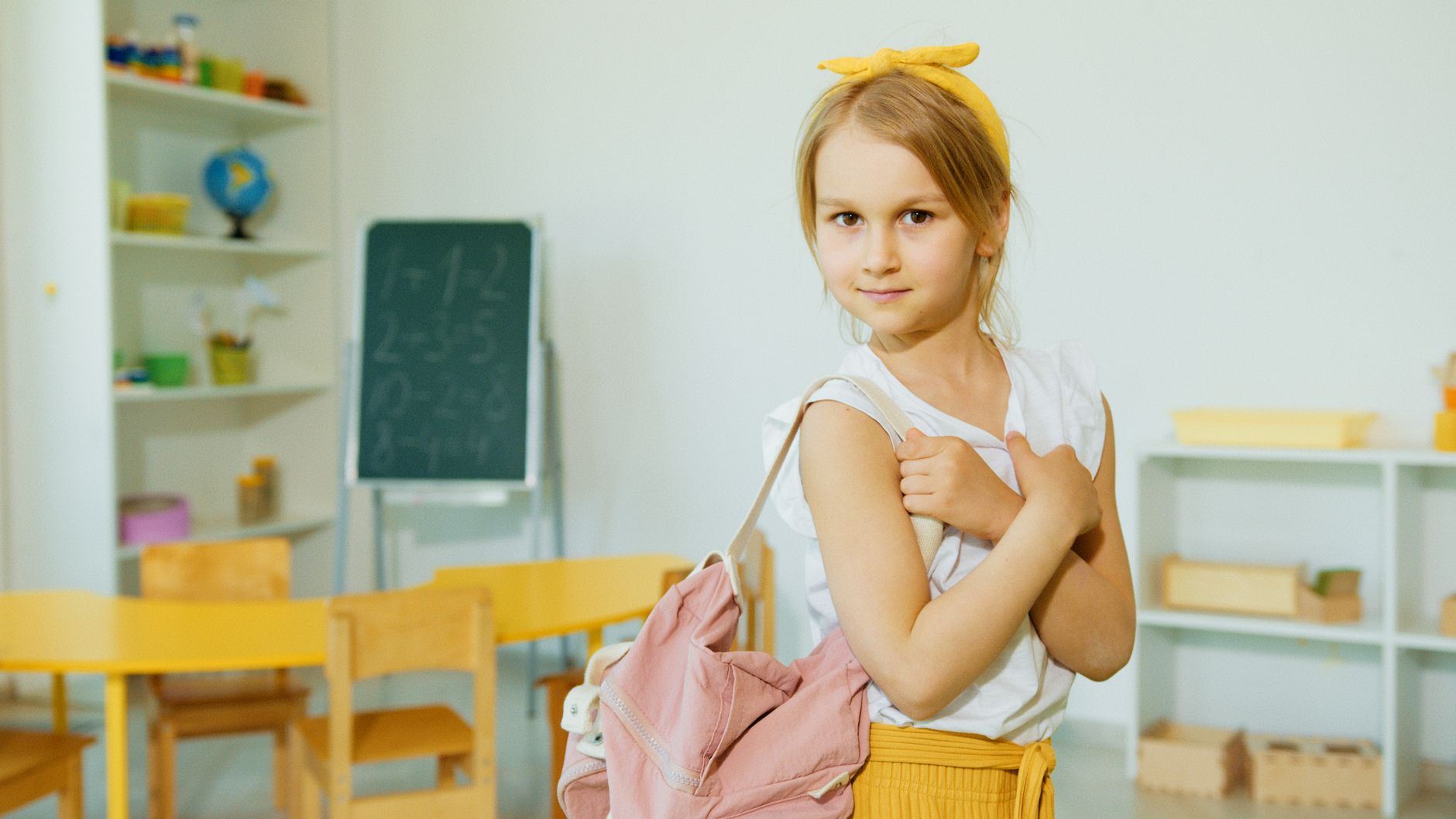
Next comes a quick look in or at the bag. Where's the lunch container? The water bottle? The library book? The equipment brought to practice?
Avoid reciting every possible item. Focus on one or two things that matter for this particular trip.
"Bag check. What did you bring today that should go home?"
Sometimes the child can answer by tapping the bottle pocket. Other times, they may need to unzip the bag and look. A quick habit is more useful than a perfect inventory.
3. Around: What did I put down?
Finally, the child looks around the immediate space: seat, bench, cubby, desk, table, or play area. This is the moment to notice a sweater draped over a chair or a book beside a friend.
Say, "Around check. Take one look at your spot."
Children should look only where they're permitted and under the appropriate supervision. Do not send a child back alone into an unsafe area or delay a necessary departure.
Use it in four familiar places
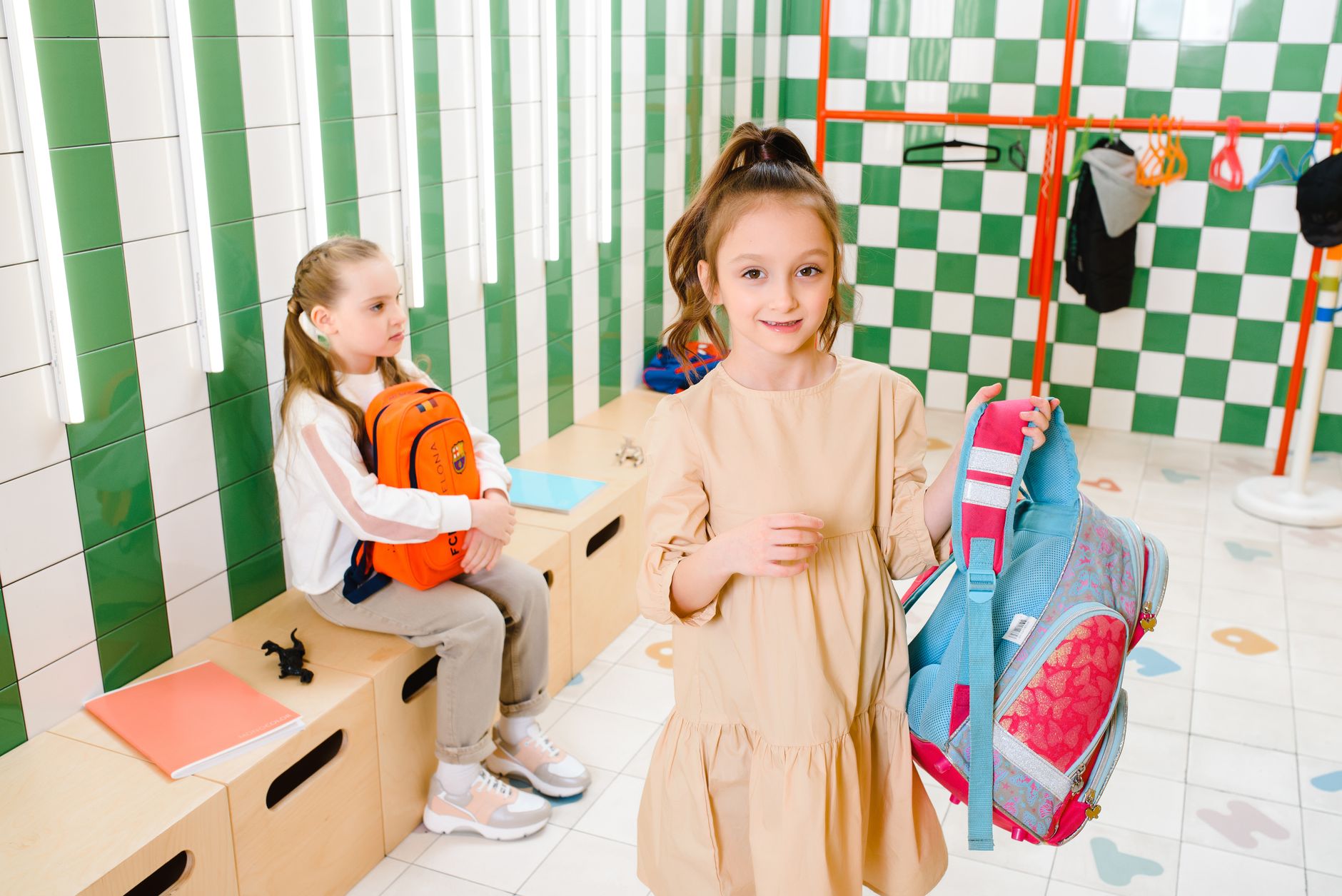
Leaving school: Check the jacket or sweater, look in the backpack, then scan the coat hook and cubby.
After sports practice: Check shoes and warm layers, look for the water bottle in the sports bag, then scan the bench or sideline with the responsible adult.
At the playground: Check the hat or coat, look at the small bag, then glance at the bench or place where belongings were set down. An adult maintains supervision throughout.
At a friend's house: Check shoes and socks, see whether the borrowed or brought-along items are packed, then look around the room with the host's permission.
You don't need to invent a separate checklist for each setting. Repeat the same three words: "Before we go—body, bag, around."
Teach the actions before expecting the habit
Practice on a quiet day when you're not racing out the door. Model the routine yourself. Touch your jacket, open your bag, and glance around your seat.
Then invite your child to be the "check captain." Let them call out each word while you both perform the step. If they miss something, return to the cue gently:
"Let's try around one more time. Is anything on the bench?"
For a preschooler, three simple drawings—a person, a bag, and an eye looking around—may be easier than written words. Some children need several modeled tries before they can do any step alone.
Give fewer prompts over time
At first, you might say every word and point to the relevant objects. After a few practices, try saying the three words without pointing.
Later, ask only: "What's our leaving check?"
Eventually, pause briefly by the exit and let your child start. A small gesture toward the bag can be enough when they forget.
This progression matters. If the adult always says "Grab your bottle, take your sweater, find your book," the adult keeps doing the remembering. A general cue gives a child space to practice noticing.
Still, help when needed. A hurried exit, a child who is distressed, or a safety concern is not the time to insist on independence. The routine should support family life rather than make departures harder.
Keep the routine tiny and kind
Not every child remembers every time. If something gets left behind, respond with a useful observation rather than criticism: "We skipped the around check. Let's try it at the next place."
If a belonging is already missing, help your child follow an age-appropriate search or ask a responsible adult. Avoid turning the leaving cue into a lecture or punishment.
When the child remembers, acknowledge the action: "You looked at the bench and found your bottle before we left."
The goal isn't perfect memory or a new chore chart. It is a tiny, portable pause that becomes easier with practice. Next time you're about to leave, give your child three familiar words—body, bag, around—and let them do as much of the checking as they're ready to do.